














Vitamins
and dietary
supplements
Natural solution for a healthier life

Add 4 more products to your cart and get 15% off your entire purchase!
Natural solution for a healthier life
Fruit-flavoured gummy candies
Up to 7,500 mg of collagen per serving
Support for muscles and hydration
Natural harmony for a healthier life
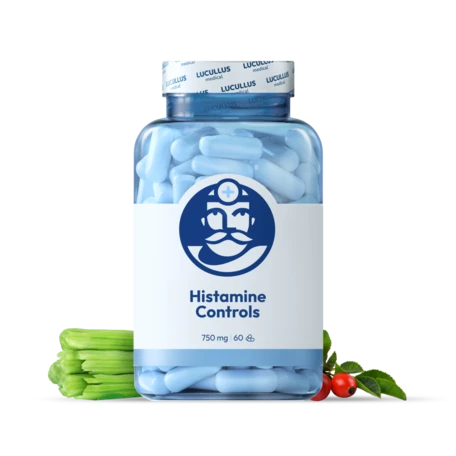
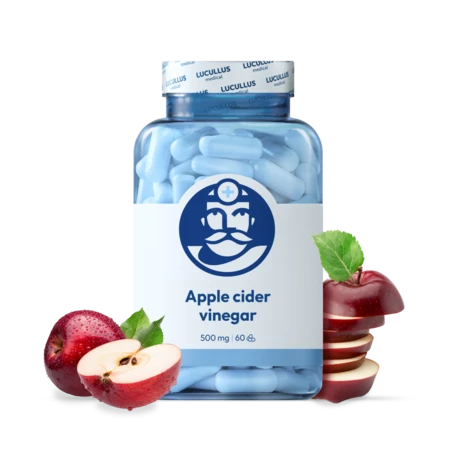

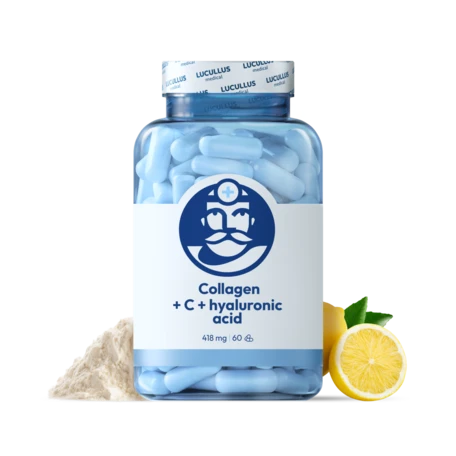

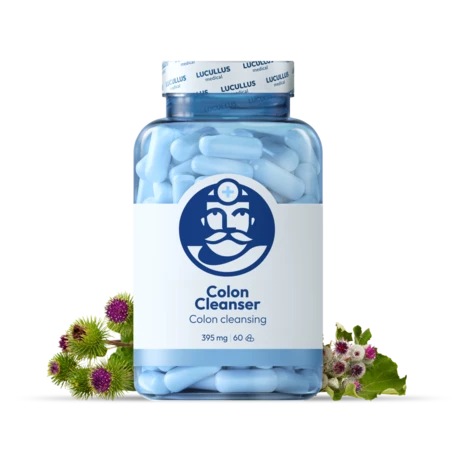
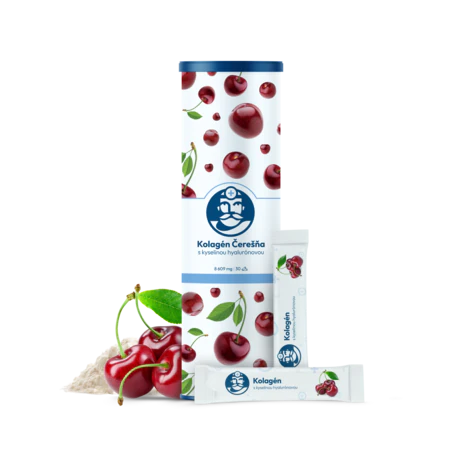
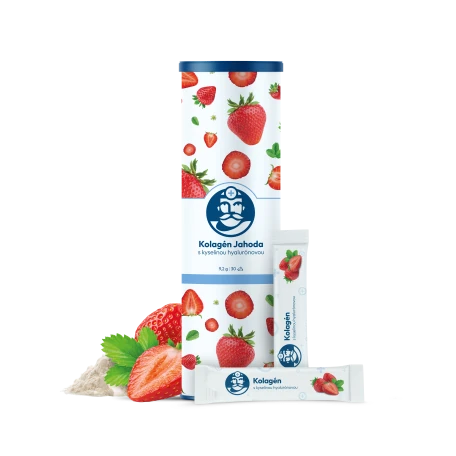
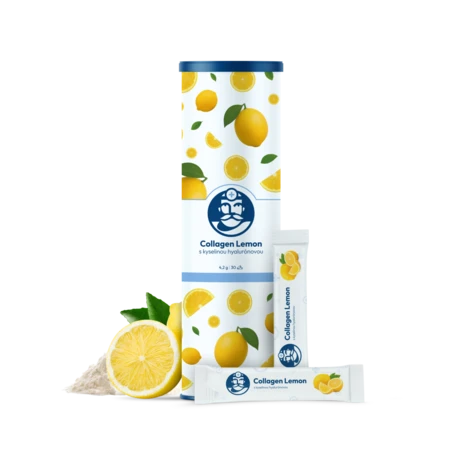
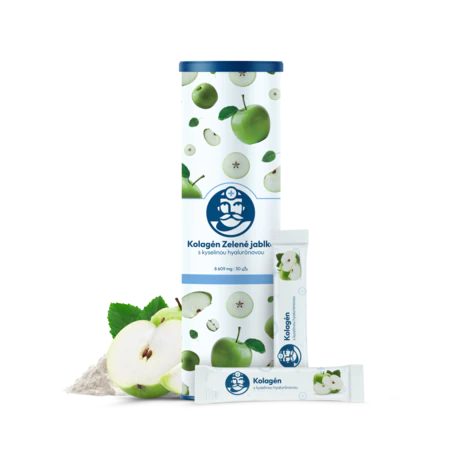
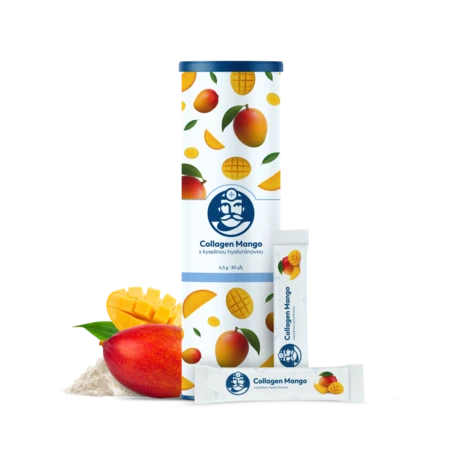

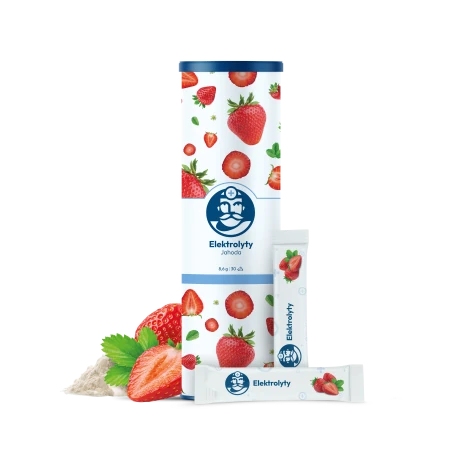
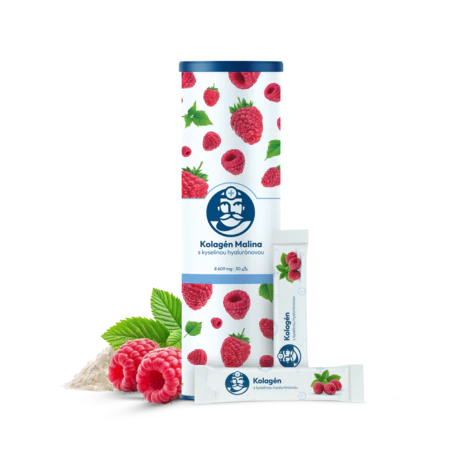
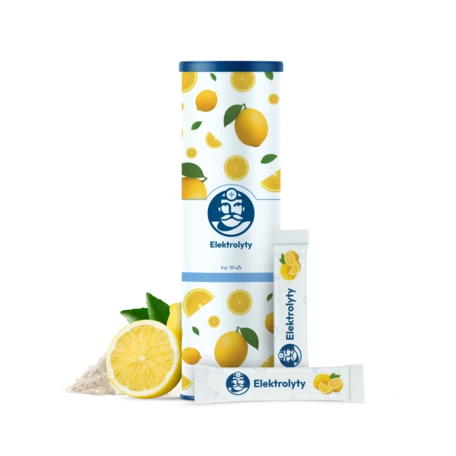
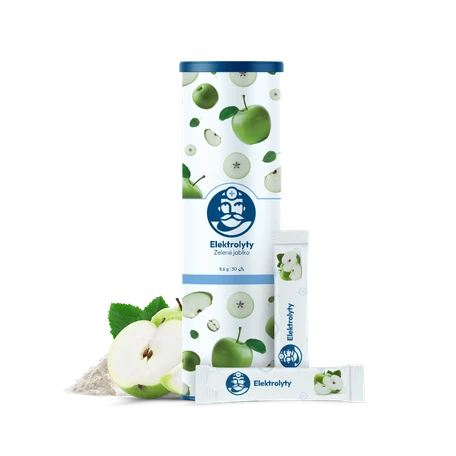
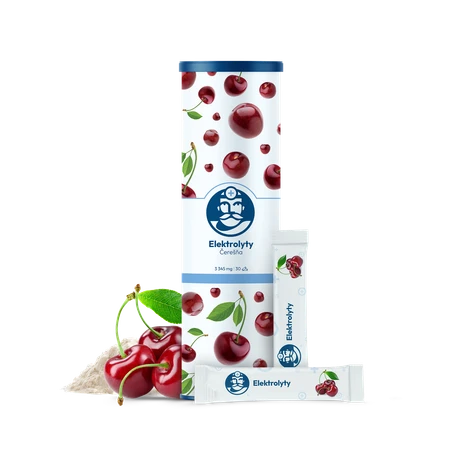
At Lucullus, we do things a little differently. We use strict scientific research to create balanced supplements made in Slovakia that focus on your health as you need it.
From supporting a healthy gut microbiome with our probiotic complex to arming you for everyday modern life with our multivitamin, we have completely natural supplements you need.
We deliver quality, reliability, and value.
That's what makes us better.
 Retail
 Wellness & Beauty
 Fitness & Sport
Fitness & Sport
Fitness & Sport
 Wellness & Beauty
Wellness & Beauty
Wellness & Beauty
 Healthcare
Healthcare
Healthcare
 Wellness & Beauty
Wellness & Beauty
Wellness & Beauty
 Wellness & Beauty
Wellness & Beauty
Wellness & Beauty
 Wellness & Beauty
Wellness & Beauty
Wellness & Beauty
 Wellness & Beauty
Wellness & Beauty
Wellness & Beauty
 Healthcare
Healthcare
Healthcare
 Wellness & Beauty
Wellness & Beauty
Wellness & Beauty
 Wellness & Beauty
Wellness & Beauty
Wellness & Beauty
 Fitness & Sport
Fitness & Sport
Fitness & Sport
 Wellness & Beauty
Wellness & Beauty
Wellness & Beauty
 Retail
Retail
Retail
 Wellness & Beauty
Wellness & Beauty
Wellness & Beauty
 Fitness & Sport
Fitness & Sport
Fitness & Sport
 Retail
Retail
Retail
 Healthcare
Healthcare
Healthcare
 Wellness & Beauty
Wellness & Beauty
Wellness & Beauty
 Retail
Retail
Retail
 Wellness & Beauty
Wellness & Beauty
Wellness & Beauty
 Wellness & Beauty
Wellness & Beauty
Wellness & Beauty
 Wellness & Beauty
Wellness & Beauty
Wellness & Beauty
 Wellness & Beauty
Wellness & Beauty
Wellness & Beauty
 Retail
Retail
Retail
 Healthcare
Healthcare
Healthcare
 Retail
Retail
Retail
 Wellness & Beauty
Wellness & Beauty
Wellness & Beauty
 Wellness & Beauty
Wellness & Beauty
Wellness & Beauty
 Wellness & Beauty
Wellness & Beauty
Wellness & Beauty
 Wellness & Beauty
Wellness & Beauty
Wellness & Beauty
 Retail
Retail
Retail
 Wellness & Beauty
Wellness & Beauty
Wellness & Beauty
 Retail
Retail
Retail
 Retail
Retail
Retail
 Retail
Retail
Retail
 Retail
Retail
Retail
 Healthcare
Healthcare
Healthcare
 Retail
Retail
Retail
 Wellness & Beauty
Wellness & Beauty
Wellness & Beauty
 Retail
Retail
Retail
 Healthcare
Healthcare
Healthcare
 Healthcare
Healthcare
Healthcare
 Wellness & Beauty
Wellness & Beauty
Wellness & Beauty
 Retail
Retail
Retail
 Retail
Retail
Retail
 Healthcare
Healthcare
Healthcare
 Eshop
Eshop
Eshop
Eshop
 Retail
Retail
Retail
 Wellness & Beauty
Wellness & Beauty
Wellness & Beauty
 Wellness & Beauty
Wellness & Beauty
Wellness & Beauty
 Wellness & Beauty
Wellness & Beauty
Wellness & Beauty
 Wholesale
Wholesale
Wholesale
 Wellness & Beauty
Wellness & Beauty
Wellness & Beauty
 Healthcare
Healthcare
Healthcare
 Retail
Retail
Retail
 Fitness & Sport
Fitness & Sport
Fitness & Sport
 Wellness & Beauty
Wellness & Beauty
Wellness & Beauty
 Retail
Retail
Retail
 Retail
Retail
Retail
 Healthcare
Healthcare
Healthcare
 Retail
Retail
Retail
 Retail
Retail
Retail
 Healthcare
Healthcare
Healthcare
 Wholesale
Wholesale
Wholesale
 Retail
Retail
Retail
 Healthcare
Healthcare
Healthcare
 Retail
Retail
Retail
 Fitness & Sport
Fitness & Sport
Fitness & Sport
 Healthcare
Healthcare
Healthcare
 Wellness & Beauty
Retail
Retail
Wellness & Beauty
Wellness & Beauty
Retail
Retail
 Wholesale
Wholesale
Wholesale
 Wellness & Beauty
Wellness & Beauty
Wellness & Beauty
 Wellness & Beauty
Wellness & Beauty
Wellness & Beauty
 Healthcare
Healthcare
Healthcare
 Retail
Retail
Retail
 Retail
Retail
Retail
 Retail
Retail
Retail
 Wellness & Beauty
Wellness & Beauty
Wellness & Beauty
 Healthcare
Healthcare
Healthcare
 Retail
Retail
Retail
 Retail
Retail
Retail
 Healthcare
Healthcare
Healthcare
 Healthcare
Healthcare
Healthcare
 Wellness & Beauty
Wellness & Beauty
Wellness & Beauty
 Wellness & Beauty
Wellness & Beauty
Wellness & Beauty
 Wellness & Beauty
Wellness & Beauty
Wellness & Beauty
 Wellness & Beauty
Wellness & Beauty
Wellness & Beauty
 Retail
Retail
Retail
 Retail
Retail
Retail
 Retail
Retail
Retail
 Retail
Retail
Retail
 Retail
Retail
Retail
 Retail
Retail
Retail
 Retail
Retail
Retail
 Retail
Retail
Retail
 Retail
Retail
Retail
 Retail
Retail
Retail
 Retail
Retail
Retail
 Retail
Retail
Retail
 Retail
Retail
Retail
 Retail
Retail
Retail
 Retail
Retail
Retail
 Retail
Retail
Retail
 Retail
Retail
Retail
 Retail
Retail
Retail
 Retail
Retail
Retail
 Retail
Retail
Retail
 Wellness & Beauty
Retail
Retail
Wellness & Beauty
Wellness & Beauty
Retail
Retail
 Retail
Retail
Retail
 Retail
Retail
Retail
 Retail
Retail
Retail
 Retail
Retail
Retail
 Fitness & Sport
Fitness & Sport
Fitness & Sport
 Wellness & Beauty
Wellness & Beauty
Wellness & Beauty
 Fitness & Sport
Fitness & Sport
Fitness & Sport
 Wellness & Beauty
Wellness & Beauty
Wellness & Beauty
 Fitness & Sport
Fitness & Sport
Fitness & Sport
 Wellness & Beauty
Wellness & Beauty
Wellness & Beauty
 Wellness & Beauty
Wellness & Beauty
Wellness & Beauty
 Wellness & Beauty
Wellness & Beauty
Wellness & Beauty
 Fitness & Sport
Fitness & Sport
Fitness & Sport
 Retail
Retail
Retail
 Eshop
Eshop
Eshop
Eshop
 Wellness & Beauty
Wellness & Beauty
Wellness & Beauty
 Fitness & Sport
Fitness & Sport
Fitness & Sport
 Retail
Retail
Retail
 Retail
Retail
Retail
 Wellness & Beauty
Wellness & Beauty
Wellness & Beauty
 Wholesale
Wholesale
Wholesale
 Fitness & Sport
Fitness & Sport
Fitness & Sport
 Fitness & Sport
Wellness & Beauty
Retail
Wholesale
Wholesale
Wellness & Beauty
Wellness & Beauty
Wholesale
Wholesale
Retail
Retail
Wellness & Beauty
Wellness & Beauty
Fitness & Sport
Fitness & Sport
Retail
Retail
Eshop
Eshop
Retail
Retail
Healthcare
Healthcare
Wellness & Beauty
Wellness & Beauty
Retail
Retail
Fitness & Sport
Fitness & Sport
Wellness & Beauty
Wellness & Beauty
Healthcare
Healthcare
Retail
Retail
Retail
Retail
Retail
Retail
Retail
Retail
Retail
Retail
Wellness & Beauty
Wellness & Beauty
Wellness & Beauty
Wellness & Beauty
Retail
Retail
Retail
Retail
Retail
Retail
Healthcare
Healthcare
Wellness & Beauty
Wellness & Beauty
Wellness & Beauty
Wellness & Beauty
Healthcare
Healthcare
Eshop
Eshop
Healthcare
Healthcare
Fitness & Sport
Fitness & Sport
Wellness & Beauty
Wellness & Beauty
Wellness & Beauty
Wellness & Beauty
Retail
Retail
Retail
Retail
Retail
Retail
Retail
Retail
Fitness & Sport
Fitness & Sport
Wellness & Beauty
Wellness & Beauty
Retail
Retail
Retail
Retail
Healthcare
Healthcare
Wellness & Beauty
Wellness & Beauty
Fitness & Sport
Fitness & Sport
Wellness & Beauty
Wellness & Beauty
Wellness & Beauty
Wellness & Beauty
Healthcare
Healthcare
Wholesale
Wholesale
Retail
Retail
Retail
Retail
Healthcare
Healthcare
Wholesale
Wholesale
Wellness & Beauty
Wellness & Beauty
Wellness & Beauty
Wellness & Beauty
Wellness & Beauty
Wellness & Beauty
Retail
Retail
Retail
Retail
Fitness & Sport
Fitness & Sport
Wellness & Beauty
Wellness & Beauty
Retail
Retail
Retail
Retail
Healthcare
Healthcare
Wellness & Beauty
Wellness & Beauty
Wellness & Beauty
Wellness & Beauty
Retail
Retail
Healthcare
Healthcare
Retail
Retail
Fitness & Sport
Fitness & Sport
Wellness & Beauty
Wellness & Beauty
Retail
Retail
Retail
Retail
Retail
Retail
Fitness & Sport
Fitness & Sport
Wellness & Beauty
Wellness & Beauty
Wellness & Beauty
Wellness & Beauty
Retail
Retail
Healthcare
Healthcare
Fitness & Sport
Fitness & Sport
Wellness & Beauty
Wellness & Beauty
Wellness & Beauty
Wellness & Beauty
Wellness & Beauty
Wellness & Beauty
Wellness & Beauty
Wellness & Beauty
Wellness & Beauty
Wellness & Beauty
Wellness & Beauty
Wellness & Beauty
Wellness & Beauty
Wellness & Beauty
Retail
Retail
Wellness & Beauty
Wellness & Beauty
Wellness & Beauty
Wellness & Beauty
Retail
Retail
Retail
Retail
Retail
Retail
Retail
Retail
Wellness & Beauty
Wellness & Beauty
Retail
Retail
Wellness & Beauty
Wellness & Beauty
Retail
Retail
Wellness & Beauty
Wellness & Beauty
Wellness & Beauty
Wellness & Beauty
Retail
Retail
Retail
Retail
Wellness & Beauty
Wellness & Beauty
Healthcare
Healthcare
Retail
Retail
Retail
Retail
Retail
Retail
Retail
Retail
Fitness & Sport
Fitness & Sport
Wellness & Beauty
Wellness & Beauty
Retail
Retail
Retail
Retail
Wellness & Beauty
Wellness & Beauty
Healthcare
Healthcare
Retail
Retail
Healthcare
Healthcare
Healthcare
Healthcare
Retail
Retail
Retail
Retail
Wellness & Beauty
Wellness & Beauty
Retail
Retail
Retail
Retail
Retail
Retail
Healthcare
Healthcare
Retail
Retail
Retail
Retail
Retail
Retail
Healthcare
Healthcare
Wellness & Beauty
Wellness & Beauty
Fitness & Sport
Fitness & Sport
Retail
Retail
Fitness & Sport
Fitness & Sport
Retail
Retail
Wellness & Beauty
Wellness & Beauty
Fitness & Sport
Fitness & Sport
Wellness & Beauty
Retail
Wholesale
Wholesale
Wellness & Beauty
Wellness & Beauty
Wholesale
Wholesale
Retail
Retail
Wellness & Beauty
Wellness & Beauty
Fitness & Sport
Fitness & Sport
Retail
Retail
Eshop
Eshop
Retail
Retail
Healthcare
Healthcare
Wellness & Beauty
Wellness & Beauty
Retail
Retail
Fitness & Sport
Fitness & Sport
Wellness & Beauty
Wellness & Beauty
Healthcare
Healthcare
Retail
Retail
Retail
Retail
Retail
Retail
Retail
Retail
Retail
Retail
Wellness & Beauty
Wellness & Beauty
Wellness & Beauty
Wellness & Beauty
Retail
Retail
Retail
Retail
Retail
Retail
Healthcare
Healthcare
Wellness & Beauty
Wellness & Beauty
Wellness & Beauty
Wellness & Beauty
Healthcare
Healthcare
Eshop
Eshop
Healthcare
Healthcare
Fitness & Sport
Fitness & Sport
Wellness & Beauty
Wellness & Beauty
Wellness & Beauty
Wellness & Beauty
Retail
Retail
Retail
Retail
Retail
Retail
Retail
Retail
Fitness & Sport
Fitness & Sport
Wellness & Beauty
Wellness & Beauty
Retail
Retail
Retail
Retail
Healthcare
Healthcare
Wellness & Beauty
Wellness & Beauty
Fitness & Sport
Fitness & Sport
Wellness & Beauty
Wellness & Beauty
Wellness & Beauty
Wellness & Beauty
Healthcare
Healthcare
Wholesale
Wholesale
Retail
Retail
Retail
Retail
Healthcare
Healthcare
Wholesale
Wholesale
Wellness & Beauty
Wellness & Beauty
Wellness & Beauty
Wellness & Beauty
Wellness & Beauty
Wellness & Beauty
Retail
Retail
Retail
Retail
Fitness & Sport
Fitness & Sport
Wellness & Beauty
Wellness & Beauty
Retail
Retail
Retail
Retail
Healthcare
Healthcare
Wellness & Beauty
Wellness & Beauty
Wellness & Beauty
Wellness & Beauty
Retail
Retail
Healthcare
Healthcare
Retail
Retail
Fitness & Sport
Fitness & Sport
Wellness & Beauty
Wellness & Beauty
Retail
Retail
Retail
Retail
Retail
Retail
Fitness & Sport
Fitness & Sport
Wellness & Beauty
Wellness & Beauty
Wellness & Beauty
Wellness & Beauty
Retail
Retail
Healthcare
Healthcare
Fitness & Sport
Fitness & Sport
Wellness & Beauty
Wellness & Beauty
Wellness & Beauty
Wellness & Beauty
Wellness & Beauty
Wellness & Beauty
Wellness & Beauty
Wellness & Beauty
Wellness & Beauty
Wellness & Beauty
Wellness & Beauty
Wellness & Beauty
Wellness & Beauty
Wellness & Beauty
Retail
Retail
Wellness & Beauty
Wellness & Beauty
Wellness & Beauty
Wellness & Beauty
Retail
Retail
Retail
Retail
Retail
Retail
Retail
Retail
Wellness & Beauty
Wellness & Beauty
Retail
Retail
Wellness & Beauty
Wellness & Beauty
Retail
Retail
Wellness & Beauty
Wellness & Beauty
Wellness & Beauty
Wellness & Beauty
Retail
Retail
Retail
Retail
Wellness & Beauty
Wellness & Beauty
Healthcare
Healthcare
Retail
Retail
Retail
Retail
Retail
Retail
Retail
Retail
Fitness & Sport
Fitness & Sport
Wellness & Beauty
Wellness & Beauty
Retail
Retail
Retail
Retail
Wellness & Beauty
Wellness & Beauty
Healthcare
Healthcare
Retail
Retail
Healthcare
Healthcare
Healthcare
Healthcare
Retail
Retail
Retail
Retail
Wellness & Beauty
Wellness & Beauty
Retail
Retail
Retail
Retail
Retail
Retail
Healthcare
Healthcare
Retail
Retail
Retail
Retail
Retail
Retail
Healthcare
Healthcare
Wellness & Beauty
Wellness & Beauty
Fitness & Sport
Fitness & Sport
Retail
Retail
Fitness & Sport
Fitness & Sport
Retail
Retail
Wellness & Beauty
Wellness & Beauty
Our products are made from natural ingredients that are natural and healthy for the body.
Our products are GMO and allergen free, which means they are suitable for everyone.
Our products are made in Slovakia, which means they are made according to European quality standards.
You can buy our dietary supplements without a prescription and a visit to the doctor.
Take advantage of fast and free delivery without exception on all our products.
In case of dissatisfaction, we guarantee a refund within 30 days of purchase.

Účinky
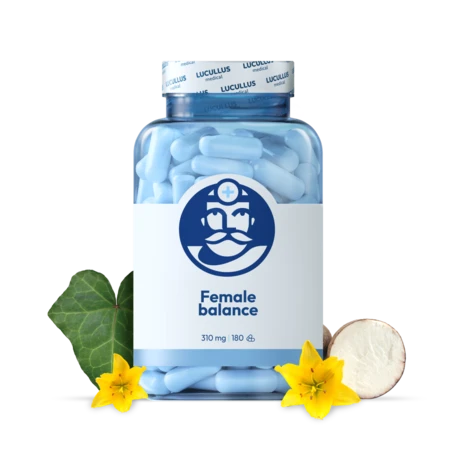
Optimal cellular functionHormonal harmonyImproved mood and emotional well-beingAnti-inflammatory propertiesSupport for longevity and anti-aging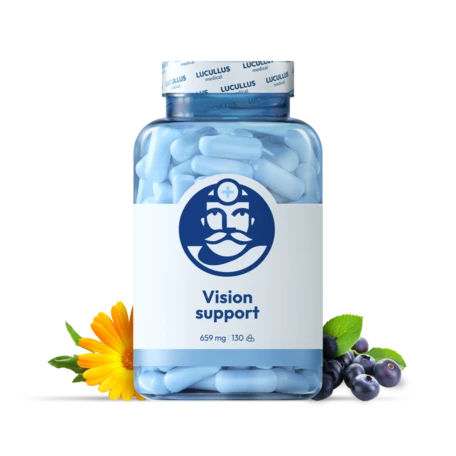
Účinky
Improved visual clarityMacular protectionAntioxidant shieldSupportive eye nutrition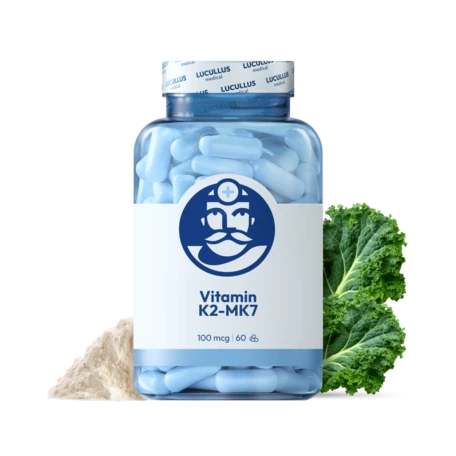
Účinky
Supports regular bowel movementsAids in natural detoxificationReduces inflammation in the digestive tractRelieves bloating and gasEnhances nutrient absorption Harmony
Why do you wake up feeling tired even after 8 hours in bed?
 Digestion and Detox
For some of us, fast food and that feeling of heaviness go hand in hand. So you opt for a healthier option – perhaps with an egg, seeds and plenty of fibre – and expect to feel the difference. But instead, do you feel as though you’ve swallowed a boulder? Your trousers start to feel tight, your tummy swells up and your energy levels drop so sharply that you find yourself thinking about your third coffee of the day and feeling physically irritable. Does this sound familiar?
 Beauty and Skin
You know how it is. A chilly morning rolls round, your throat feels a bit scratchy, and your hand automatically reaches into the cupboard for a remedy. But instead of a big, hard-to-swallow tablet, you pull out a fragrant orange-flavoured jelly sweet or a refreshing lozenge. It tastes great. So, an hour later at your computer, you have another one. And another in the afternoon – after all, it’s ‘just a vitamin to boost your immunity’.
Beauty and Skin
You know how it is. A chilly morning rolls round, your throat feels a bit scratchy, and your hand automatically reaches into the cupboard for a remedy. But instead of a big, hard-to-swallow tablet, you pull out a fragrant orange-flavoured jelly sweet or a refreshing lozenge. It tastes great. So, an hour later at your computer, you have another one. And another in the afternoon – after all, it’s ‘just a vitamin to boost your immunity’.
 Energy
The alarm goes off in the morning. My first thought isn’t of the new day, but of the espresso machine. At two in the afternoon, the familiar mental slump sets in, so a second – perhaps even a third – cup follows. But instead of a surge of fresh creativity and alertness, all that comes is a pounding heart, a slight trembling of the fingers and that strange combination where the body is tense but the brain remains shrouded in a thick fog.
Energy
The alarm goes off in the morning. My first thought isn’t of the new day, but of the espresso machine. At two in the afternoon, the familiar mental slump sets in, so a second – perhaps even a third – cup follows. But instead of a surge of fresh creativity and alertness, all that comes is a pounding heart, a slight trembling of the fingers and that strange combination where the body is tense but the brain remains shrouded in a thick fog.
 Health
When we talk about looking after our bodies, most of us automatically think of magnesium, vitamin C, zinc or collagen. However, there is one key element that makes up around 0.25 per cent of our total body weight, yet is often overlooked in everyday conversations about health: organic sulphur.
Health
When we talk about looking after our bodies, most of us automatically think of magnesium, vitamin C, zinc or collagen. However, there is one key element that makes up around 0.25 per cent of our total body weight, yet is often overlooked in everyday conversations about health: organic sulphur.
 Immunity and Vitality
Do you know that feeling? You step out of the house in the morning, greeted by thick fog; a cold wind chills you to the bone as it ‘sneaks’ under your coat; and on the tram or in the office, you can already hear the first coughs coming from all around. Autumn and winter have their undeniable charm – warm jumpers, evenings under a blanket and a crackling fire. But for our bodies, this is a period of a real ordeal.
Immunity and Vitality
Do you know that feeling? You step out of the house in the morning, greeted by thick fog; a cold wind chills you to the bone as it ‘sneaks’ under your coat; and on the tram or in the office, you can already hear the first coughs coming from all around. Autumn and winter have their undeniable charm – warm jumpers, evenings under a blanket and a crackling fire. But for our bodies, this is a period of a real ordeal.
 Immunity and Vitality
Do you try your best to drink the recommended two to three litres of water a day, yet still feel tired in the afternoon, with your body feeling stiff and your skin looking pale and lifeless?
Immunity and Vitality
Do you try your best to drink the recommended two to three litres of water a day, yet still feel tired in the afternoon, with your body feeling stiff and your skin looking pale and lifeless?
 Beauty and Skin
You may be familiar with this: despite using a high-quality moisturiser, by the end of the day your skin feels tight and tired, and the fine lines around your eyes and mouth seem somehow more pronounced. We often tend to reach for more serums, but the condition of your skin is, first and foremost, a reflection of the processes taking place deep beneath its surface.
Beauty and Skin
You may be familiar with this: despite using a high-quality moisturiser, by the end of the day your skin feels tight and tired, and the fine lines around your eyes and mouth seem somehow more pronounced. We often tend to reach for more serums, but the condition of your skin is, first and foremost, a reflection of the processes taking place deep beneath its surface.
 Harmony
Do you know that feeling when you don’t feel quite yourself, but can’t quite put your finger on why? You wake up in the morning feeling drained, your favourite jeans suddenly feel too tight, and even the smallest thing can drive you round the bend. We often put these feelings down to being overworked, bad weather, getting on in years or just general tiredness.
Harmony
Do you know that feeling when you don’t feel quite yourself, but can’t quite put your finger on why? You wake up in the morning feeling drained, your favourite jeans suddenly feel too tight, and even the smallest thing can drive you round the bend. We often put these feelings down to being overworked, bad weather, getting on in years or just general tiredness.
 Health
You know that feeling around two or three o’clock in the afternoon. You’re finalising a spreadsheet, replying to yet another email or scrolling through social media, when suddenly your eyes start to sting. You start blinking more quickly, the text on the screen becomes slightly blurred, and it feels as though someone has sprinkled fine sand under your eyelids.
Health
You know that feeling around two or three o’clock in the afternoon. You’re finalising a spreadsheet, replying to yet another email or scrolling through social media, when suddenly your eyes start to sting. You start blinking more quickly, the text on the screen becomes slightly blurred, and it feels as though someone has sprinkled fine sand under your eyelids.
 Health
You may have noticed this in a chemist’s or on an online shop too: standard vitamin C for a few euros, and right next to it the same vitamin labelled ‘liposomal’ for three to four times the price.
Health
You may have noticed this in a chemist’s or on an online shop too: standard vitamin C for a few euros, and right next to it the same vitamin labelled ‘liposomal’ for three to four times the price.
 Beauty and Skin
Almost everyone is familiar with this sight: a full hairbrush after just one brush, tufts of hair in the shower drain, and that queasy feeling in the stomach as you style your hair in front of the mirror.
Beauty and Skin
Almost everyone is familiar with this sight: a full hairbrush after just one brush, tufts of hair in the shower drain, and that queasy feeling in the stomach as you style your hair in front of the mirror.
 Health
If you ask any athlete (especially endurance athletes) what nutritional supplement they always have with them for competitions, the most common answer will be "magnesium". Magnesium is definitely one of the most important minerals for our body. It is a so-called "deficiency" mineral because we excrete it from the body during excessive exertion, but also when we are not exercising! Just living in a noisy, stressful, demanding environment is enough...
 Immunity and Vitality
Apple cider vinegar is one of the most popular natural products with a wide range of health benefits. Apple cider vinegar has been sought after for centuries for its health effects, including promoting digestion, regulating weight, maintaining stable blood sugar levels, and improving cardiovascular health.
 Immunity and Vitality
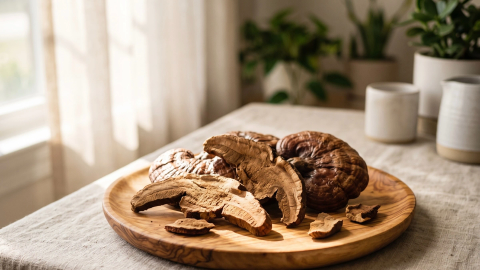
Reishi, a mushroom used as far back as 4,000 years ago. The divine mushroom of immortality – in the past, it was believed to be able to revive even the dead. It has a particularly important place in Chinese medicine (under the name lingzhi), where it was first mentioned in writing 200 years before Christ. An entire army was assigned to search for it, because the Chinese imperial court believed that it could be used to mix an elixir of immortality. The Slovak name probably does not mean much to you - Leskokôrovka hnedočervená, it is actually a wood-destroying parasitic fungus that lives mainly on injured trees. It has a huge spectrum of biological substances. Its effects are also described in the professional encyclopaedia Huby ako .
Immunity and Vitality
Reishi, a mushroom used as far back as 4,000 years ago. The divine mushroom of immortality – in the past, it was believed to be able to revive even the dead. It has a particularly important place in Chinese medicine (under the name lingzhi), where it was first mentioned in writing 200 years before Christ. An entire army was assigned to search for it, because the Chinese imperial court believed that it could be used to mix an elixir of immortality. The Slovak name probably does not mean much to you - Leskokôrovka hnedočervená, it is actually a wood-destroying parasitic fungus that lives mainly on injured trees. It has a huge spectrum of biological substances. Its effects are also described in the professional encyclopaedia Huby ako .
 Immunity and Vitality
Imagine that your body is a factory working at full capacity (to provide energy, growth, cell repair) and iron is the fuel that keeps it running. If iron reserves are depleted, you may experience weakness, heart palpitations or paler skin. Symptoms of iron deficiency include brittle nails, dry hair, shortness of breath, sleep problems, reduced concentration, cold extremities, increased frequency of infections, and anaemia (a lack of red blood cells caused by too little iron in the body), which manifests itself as extreme fatigue. With anaemia, the body is not supplied with enough oxygen and quickly becomes exhausted. Bruising can also be a sign of iron deficiency, as this mineral is important in the formation of haemoglobin, which supports the proper functioning of blood platelets.
Immunity and Vitality
Imagine that your body is a factory working at full capacity (to provide energy, growth, cell repair) and iron is the fuel that keeps it running. If iron reserves are depleted, you may experience weakness, heart palpitations or paler skin. Symptoms of iron deficiency include brittle nails, dry hair, shortness of breath, sleep problems, reduced concentration, cold extremities, increased frequency of infections, and anaemia (a lack of red blood cells caused by too little iron in the body), which manifests itself as extreme fatigue. With anaemia, the body is not supplied with enough oxygen and quickly becomes exhausted. Bruising can also be a sign of iron deficiency, as this mineral is important in the formation of haemoglobin, which supports the proper functioning of blood platelets.
 Health
In addition to supplements, functioning and various supplements, our body needs to 100% and the so-called trace substances. The designation "trace" means that our body needs it only in small amounts. We need 10mg of zinc per day, which is 37 times smaller compared to magnesium (375mg). It would seem that we are talking about a complete uselessness. However, the opposite is true. Zinc affects over 200 biochemical reactions in our body!
Health
In addition to supplements, functioning and various supplements, our body needs to 100% and the so-called trace substances. The designation "trace" means that our body needs it only in small amounts. We need 10mg of zinc per day, which is 37 times smaller compared to magnesium (375mg). It would seem that we are talking about a complete uselessness. However, the opposite is true. Zinc affects over 200 biochemical reactions in our body!
 Immunity and Vitality
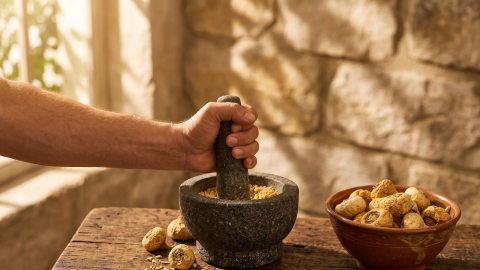
Since time immemorial, people have sought out miraculous herbs and mushrooms that promote health, cure deadly diseases and enhance male potency. Every culture has its own guaranteed aphrodisiacs. In our country, oysters and chocolate are particularly well known. Recently, however, especially with the development of tourism, we are gradually learning about other stimulants that people use, often on the other side of the planet. One of the oldest substances for promoting potency is Peruvian maca.
Immunity and Vitality
Since time immemorial, people have sought out miraculous herbs and mushrooms that promote health, cure deadly diseases and enhance male potency. Every culture has its own guaranteed aphrodisiacs. In our country, oysters and chocolate are particularly well known. Recently, however, especially with the development of tourism, we are gradually learning about other stimulants that people use, often on the other side of the planet. One of the oldest substances for promoting potency is Peruvian maca.
 Health
If you are active on social media, you are surely familiar with the term milk thistle. It is the phenomenon of 2024, with advertisements for this "miracle herb" everywhere you look. Unlike other dietary supplements, no one questions the effects of this plant. Opinions differ only on individual products and methods of processing. What is so miraculous about this thistle?
Health
If you are active on social media, you are surely familiar with the term milk thistle. It is the phenomenon of 2024, with advertisements for this "miracle herb" everywhere you look. Unlike other dietary supplements, no one questions the effects of this plant. Opinions differ only on individual products and methods of processing. What is so miraculous about this thistle?
 Energy
Have you heard about this fascinating fungus with its peculiar appearance and way of existence? The names „Chinese caterpillar, Himalayan gold or mushroom of longevity“ do not reveal much ...
Energy
Have you heard about this fascinating fungus with its peculiar appearance and way of existence? The names „Chinese caterpillar, Himalayan gold or mushroom of longevity“ do not reveal much ...
 Health
You certainly know the feeling when you feel threatened. A big dog ran at you from behind the fence, your boss plowed into you in a meeting and carried you under the ground, or your mortgage is due tomorrow and you just got fired from your job. In such cases, the body produces a steroid hormone - cortisol. This already protects us in dangerous situations and the body prepares the "fight or flight" position. The heart pumps, blood rushes to vital organs, pain levels suppress... You say to yourself - the most useful thing under the sun!
Health
You certainly know the feeling when you feel threatened. A big dog ran at you from behind the fence, your boss plowed into you in a meeting and carried you under the ground, or your mortgage is due tomorrow and you just got fired from your job. In such cases, the body produces a steroid hormone - cortisol. This already protects us in dangerous situations and the body prepares the "fight or flight" position. The heart pumps, blood rushes to vital organs, pain levels suppress... You say to yourself - the most useful thing under the sun!
 Energy
In addition to the well-known B-Komplex mix of B vitamins, individual vitamins can also be purchased as salt. What is it good for? The well-known set of B vitamins is a good nutritional supplement, you have an overall vitamin deficiency in the body. However, if you are not addressing a specific problem, sometimes the specific type of vitamin you need to supplement is more appropriate. So why is vitamin B2 needed?
Energy
In addition to the well-known B-Komplex mix of B vitamins, individual vitamins can also be purchased as salt. What is it good for? The well-known set of B vitamins is a good nutritional supplement, you have an overall vitamin deficiency in the body. However, if you are not addressing a specific problem, sometimes the specific type of vitamin you need to supplement is more appropriate. So why is vitamin B2 needed?
 Energy
Vitamin B1 belongs to the B1 to B12 groups, which we refer to collectively as the B complex. All vitamins in this group should be supplemented under this name. But do I only need one of them? You need the whole group – the most important vitamins from the B group can be obtained separately.
Energy
Vitamin B1 belongs to the B1 to B12 groups, which we refer to collectively as the B complex. All vitamins in this group should be supplemented under this name. But do I only need one of them? You need the whole group – the most important vitamins from the B group can be obtained separately.
 Health
There's a scene in an old movie where Grandma or Grandpa make little kids drink a spoonful of fish oil every morning. The kids hate it, it tastes disgusting. "But you'll be healthy!"- is the sentence of the caring grandparents. Where did this come from? It is still true today, except that science has managed to turn the miraculous fish oil into "ordinary" tablets or extracts with no normal taste.
Health
There's a scene in an old movie where Grandma or Grandpa make little kids drink a spoonful of fish oil every morning. The kids hate it, it tastes disgusting. "But you'll be healthy!"- is the sentence of the caring grandparents. Where did this come from? It is still true today, except that science has managed to turn the miraculous fish oil into "ordinary" tablets or extracts with no normal taste.
Harmony
Why do you wake up feeling tired even after 8 hours in bed?
Harmony
Why do you wake up feeling tired even after 8 hours in bed?
Digestion and Detox
For some of us, fast food and that feeling of heaviness go hand in hand. So you opt for a healthier option – perhaps with an egg, seeds and plenty of fibre – and expect to feel the difference. But instead, do you feel as though you’ve swallowed a boulder? Your trousers start to feel tight, your tummy swells up and your energy levels drop so sharply that you find yourself thinking about your third coffee of the day and feeling physically irritable. Does this sound familiar?
Digestion and Detox
For some of us, fast food and that feeling of heaviness go hand in hand. So you opt for a healthier option – perhaps with an egg, seeds and plenty of fibre – and expect to feel the difference. But instead, do you feel as though you’ve swallowed a boulder? Your trousers start to feel tight, your tummy swells up and your energy levels drop so sharply that you find yourself thinking about your third coffee of the day and feeling physically irritable. Does this sound familiar?
Beauty and Skin
You know how it is. A chilly morning rolls round, your throat feels a bit scratchy, and your hand automatically reaches into the cupboard for a remedy. But instead of a big, hard-to-swallow tablet, you pull out a fragrant orange-flavoured jelly sweet or a refreshing lozenge. It tastes great. So, an hour later at your computer, you have another one. And another in the afternoon – after all, it’s ‘just a vitamin to boost your immunity’.
Beauty and Skin
You know how it is. A chilly morning rolls round, your throat feels a bit scratchy, and your hand automatically reaches into the cupboard for a remedy. But instead of a big, hard-to-swallow tablet, you pull out a fragrant orange-flavoured jelly sweet or a refreshing lozenge. It tastes great. So, an hour later at your computer, you have another one. And another in the afternoon – after all, it’s ‘just a vitamin to boost your immunity’.
Energy
The alarm goes off in the morning. My first thought isn’t of the new day, but of the espresso machine. At two in the afternoon, the familiar mental slump sets in, so a second – perhaps even a third – cup follows. But instead of a surge of fresh creativity and alertness, all that comes is a pounding heart, a slight trembling of the fingers and that strange combination where the body is tense but the brain remains shrouded in a thick fog.
Energy
The alarm goes off in the morning. My first thought isn’t of the new day, but of the espresso machine. At two in the afternoon, the familiar mental slump sets in, so a second – perhaps even a third – cup follows. But instead of a surge of fresh creativity and alertness, all that comes is a pounding heart, a slight trembling of the fingers and that strange combination where the body is tense but the brain remains shrouded in a thick fog.
Health
When we talk about looking after our bodies, most of us automatically think of magnesium, vitamin C, zinc or collagen. However, there is one key element that makes up around 0.25 per cent of our total body weight, yet is often overlooked in everyday conversations about health: organic sulphur.
Health
When we talk about looking after our bodies, most of us automatically think of magnesium, vitamin C, zinc or collagen. However, there is one key element that makes up around 0.25 per cent of our total body weight, yet is often overlooked in everyday conversations about health: organic sulphur.
Immunity and Vitality
Do you know that feeling? You step out of the house in the morning, greeted by thick fog; a cold wind chills you to the bone as it ‘sneaks’ under your coat; and on the tram or in the office, you can already hear the first coughs coming from all around. Autumn and winter have their undeniable charm – warm jumpers, evenings under a blanket and a crackling fire. But for our bodies, this is a period of a real ordeal.
Immunity and Vitality
Do you know that feeling? You step out of the house in the morning, greeted by thick fog; a cold wind chills you to the bone as it ‘sneaks’ under your coat; and on the tram or in the office, you can already hear the first coughs coming from all around. Autumn and winter have their undeniable charm – warm jumpers, evenings under a blanket and a crackling fire. But for our bodies, this is a period of a real ordeal.
Immunity and Vitality
Do you try your best to drink the recommended two to three litres of water a day, yet still feel tired in the afternoon, with your body feeling stiff and your skin looking pale and lifeless?
Immunity and Vitality
Do you try your best to drink the recommended two to three litres of water a day, yet still feel tired in the afternoon, with your body feeling stiff and your skin looking pale and lifeless?
Beauty and Skin
You may be familiar with this: despite using a high-quality moisturiser, by the end of the day your skin feels tight and tired, and the fine lines around your eyes and mouth seem somehow more pronounced. We often tend to reach for more serums, but the condition of your skin is, first and foremost, a reflection of the processes taking place deep beneath its surface.
Beauty and Skin
You may be familiar with this: despite using a high-quality moisturiser, by the end of the day your skin feels tight and tired, and the fine lines around your eyes and mouth seem somehow more pronounced. We often tend to reach for more serums, but the condition of your skin is, first and foremost, a reflection of the processes taking place deep beneath its surface.
Harmony
Do you know that feeling when you don’t feel quite yourself, but can’t quite put your finger on why? You wake up in the morning feeling drained, your favourite jeans suddenly feel too tight, and even the smallest thing can drive you round the bend. We often put these feelings down to being overworked, bad weather, getting on in years or just general tiredness.
Harmony
Do you know that feeling when you don’t feel quite yourself, but can’t quite put your finger on why? You wake up in the morning feeling drained, your favourite jeans suddenly feel too tight, and even the smallest thing can drive you round the bend. We often put these feelings down to being overworked, bad weather, getting on in years or just general tiredness.
Health
You know that feeling around two or three o’clock in the afternoon. You’re finalising a spreadsheet, replying to yet another email or scrolling through social media, when suddenly your eyes start to sting. You start blinking more quickly, the text on the screen becomes slightly blurred, and it feels as though someone has sprinkled fine sand under your eyelids.
Health
You know that feeling around two or three o’clock in the afternoon. You’re finalising a spreadsheet, replying to yet another email or scrolling through social media, when suddenly your eyes start to sting. You start blinking more quickly, the text on the screen becomes slightly blurred, and it feels as though someone has sprinkled fine sand under your eyelids.
Health
You may have noticed this in a chemist’s or on an online shop too: standard vitamin C for a few euros, and right next to it the same vitamin labelled ‘liposomal’ for three to four times the price.
Health
You may have noticed this in a chemist’s or on an online shop too: standard vitamin C for a few euros, and right next to it the same vitamin labelled ‘liposomal’ for three to four times the price.
Beauty and Skin
Almost everyone is familiar with this sight: a full hairbrush after just one brush, tufts of hair in the shower drain, and that queasy feeling in the stomach as you style your hair in front of the mirror.
Beauty and Skin
Almost everyone is familiar with this sight: a full hairbrush after just one brush, tufts of hair in the shower drain, and that queasy feeling in the stomach as you style your hair in front of the mirror.
Čoskoro

Najskôr sa snažte pozbierať všetky potrebné argumenty a až potom s nimi vyjdite na verejnosť. Predčasný zásah by ani vám, ani veci nijako nepomohol.
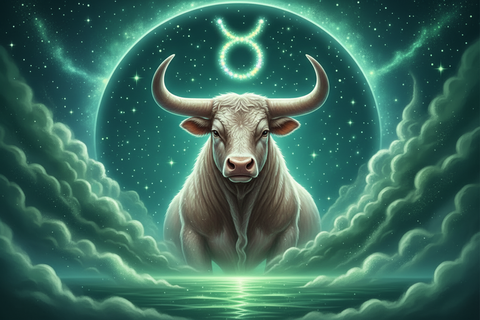
Ste opäť na koni a podľa toho sa aj správate. Nie každému to je však po vôli. Nečudujte sa, ak na vás našijú nejakú búdu. Ukážte, že máte zmysel pre humor, iste to všetci ocenia.

Dostanete lákavú ponuku, ktorá vás veľmi zaujme. Skôr ako ju prijmete, zistite si jej skutočnú hodnotu. Zatiaľ vyčkajte, ale nehovorte nie. Bude v tom háčik.
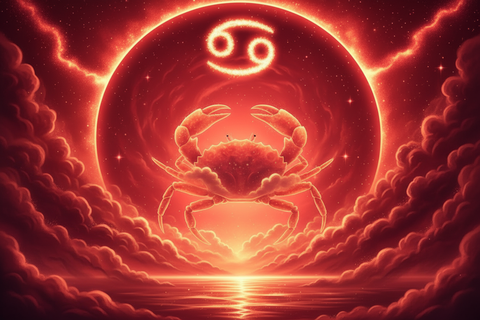
Dostanete sa do spoločnosti zaujímavých ľudí, ktorí vás budú v niečom inšpirovať. Dnes by sa vám mohlo podariť uskutočniť to, čo vám už dlhší čas leží na srdci.

Dnešok vám znepríjemní nerozhodnosť. Podarí sa vám ju prekonať? Ak áno, šance na úspech veľmi rýchlo narastú. Nejaká myšlienka rozvíri hladinu vo vašom okolí.
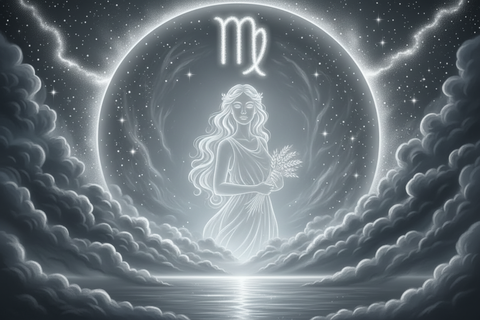
Je výborný deň na začiatok nejakej akcie. Zvýši sa vaša kreativita a originalita, čo vzbudí zaslúžený obdiv. Dokonca sa vám môže podariť uhádnuť tajné prianie partnera.
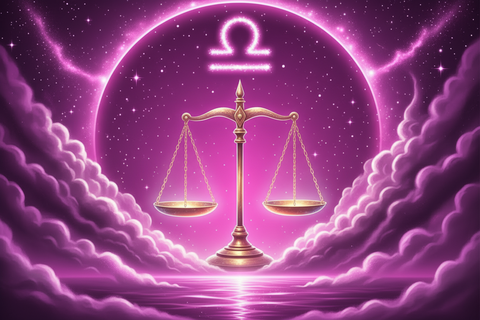
Môžete očakávať priaznivý zhluk nečakaných okolností a šťastných náhod. Patria vám sympatie okolia a budete môcť doriešiť komplikované pracovné záležitosti.
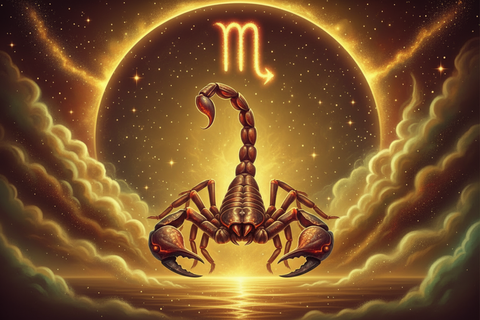
Planéty signalizujú ohrozenie jedného priateľstva. Ide o osobu rovnakého pohlavia. Porozmýšľajte, či ste niekde neurobili chybu. V láske máte zelenú.

Buďte trpezliví a neusilujte sa privodiť zmenu násilím. Božie mlyny melú pomaly, ale presne. Bola by škoda, keby ste sa pred cieľom vzdali svojich ideálov. Máte ešte čas.
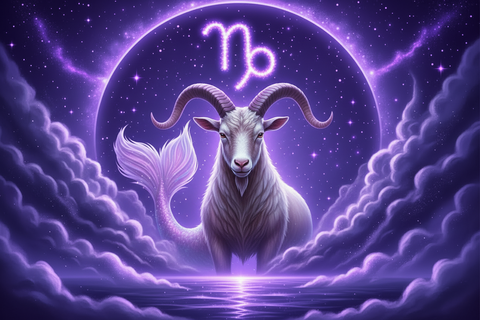
Znovu uskutočníte jeden z vašich plánov. Počítajte s reakciou závistlivcov a konkurencie. Prekvapením bude priaznivá správa z blízkeho okolia.
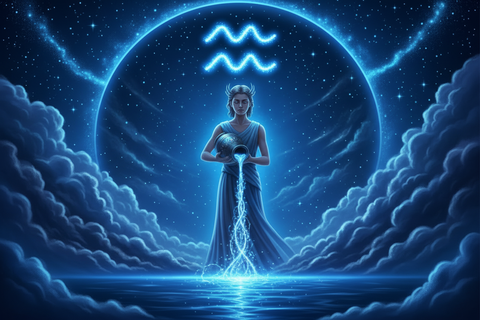
Správajte sa prístupnejšie. Inak sa môže stať, že sa v istej veci nedostanete dopredu. Môžete očakávať menší obnos peňazí, ktorý ste už považovali za stratený.

Úlohy zvládnete bez problémov, komplikácie sa môžu objaviť vo vzťahu k partnerovi. Zamyslite sa nad jeho problémami a trochu sa pocvičte aj v tolerantnosti.
We will send you the best offers with the most advantageous prices and discounts, current news for your health.