















What would a debate between vitamins look like if they were characters from the animated series *Once Upon a Time… Life*? Vitamin D3: “Hey, calcium, go away.”
Vitamin K2: “Where are you going? …Nooo, not into the blood vessels!”

Vitamin D3 and calcium are like friends heading off to a party without a sat-nav, and it’s vitamin K2 that’s the responsible one who knows where they’re going. Let’s clarify the relationship between vitamin D3, vitamin K2 and calcium metabolism: Vitamin D3 increases the absorption of calcium from the gut into the bloodstream. However, simply increasing the level of calcium in the blood does not guarantee that this mineral will be deposited where it is needed (i.e. in the bones). This is where vitamin K2 (specifically in the form of MK-7) plays a role, as it activates the proteins responsible for the precise deposition of calcium. In short: K2 is the ‘foreman’ of bone and blood vessel construction. Calcium is great; it’s found in milk, yoghurt and cheese, and everyone knows we need it for our bones. Yes, we do. But – and here’s the catch – if we don’t have it in our bodies alongside vitamin K2, we risk developing vascular calcification or kidney stones. K2 is really like a GPS for calcium; without it, calcium wanders around the body like a tourist without a map and sometimes strays into a coronary artery – which isn’t exactly ideal.
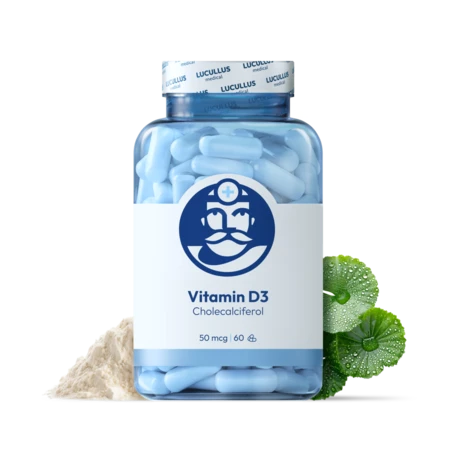
A study from Rotterdam followed more than 4,800 people. Those with a higher intake of K2 were 50 per cent less likely to die from cardiovascular disease and had a 52 per cent lower risk of aortic calcification. K2 activates osteocalcin, a protein that deposits calcium in the bones. And Matrix GLA Protein, which in turn prevents it from accumulating in the blood vessels. K2 isn’t your average vitamin; it’s a gourmet introvert. It can be found in: natto (fermented soya beans, which taste like a sock left behind at the gym, but contain plenty of K2), in long-aged cheeses (Parmesan, Gouda, Emmental), in eggs and in meat from grass-fed animals. Most people do not eat this sort of diet regularly. And in Slovakia, natto is considered more of a challenge than a delicacy. That is why taking a K2 (MK-7) supplement in capsule form makes sense. MK-7 has a longer half-life (72 hours) → its effects last longer and it is absorbed more effectively than other forms. It has potential benefits for the brain and nervous system. It helps prevent tooth decay when taken alongside vitamin D and good oral hygiene. Vitamin D3 (cholecalciferol) is an essential nutrient that plays a role in maintaining the balance of calcium and phosphorus in the body. This balance is essential for bone development, strength and repair. The active form of vitamin D3 influences the functioning of genes that regulate the absorption of these minerals in the digestive tract, their reabsorption in the kidneys and their storage in the bones. In addition, vitamin D3 significantly supports the immune system and has anti-inflammatory effects. It acts as a regulator of immune responses, activating white blood cells (such as T-lymphocytes and macrophages), which are key to defending against infections. It stimulates the production of specific protective substances (cathelicidin), which can directly destroy bacteria and viruses. A long-term deficiency of vitamin D3 increases the risk of infections, chronic inflammation and the development of autoimmune diseases. The most common conditions associated with low vitamin D levels include acute respiratory illnesses, sclerosis, arthritis and diabetes.

If you’re taking D3 but ignoring K2, it’s like sending calcium on holiday without a suitcase – and to a country where nobody’s expecting it. Vitamins D3 and K2 work together beneficially; these substances act synergistically: D3 increases calcium absorption. K2 directs it to the bones and prevents it from accumulating in the blood vessels. Calcium thus fulfils its function without any side effects. The right balance of these nutrients helps prevent a number of health complications – a combined deficiency of calcium and vitamin D3 weakens bone tissue and increases the risk of fractures and osteoporosis. Vitamin K2 also ensures that calcium is utilised effectively in the bones. K2 prevents calcium from being deposited in the walls of blood vessels, which is important in preventing high blood pressure, heart attacks and strokes (because neither a heart attack nor a stroke comes knocking at our door, and none of us expects them at all). Put simply, Dr Lucullus® VITAMIN K2+D3 works together to promote health, resilience to physical exertion, improved recovery, performance and longevity.