











Drinking high-quality tea is slowly becoming a new trend. Following the emergence of coffee culture here – where perhaps only a joker would now order a ‘Turkish coffee in a glass’ in a café – there has also been a shift away from the traditional habit of drinking beer. It has gradually been replaced by wine, and it is now common for people to distinguish between dozens of different flavours, rather than the traditional division into white and red. As people travel more and more and get to know the world, they are also increasingly discovering the phenomenon of tea drinking.
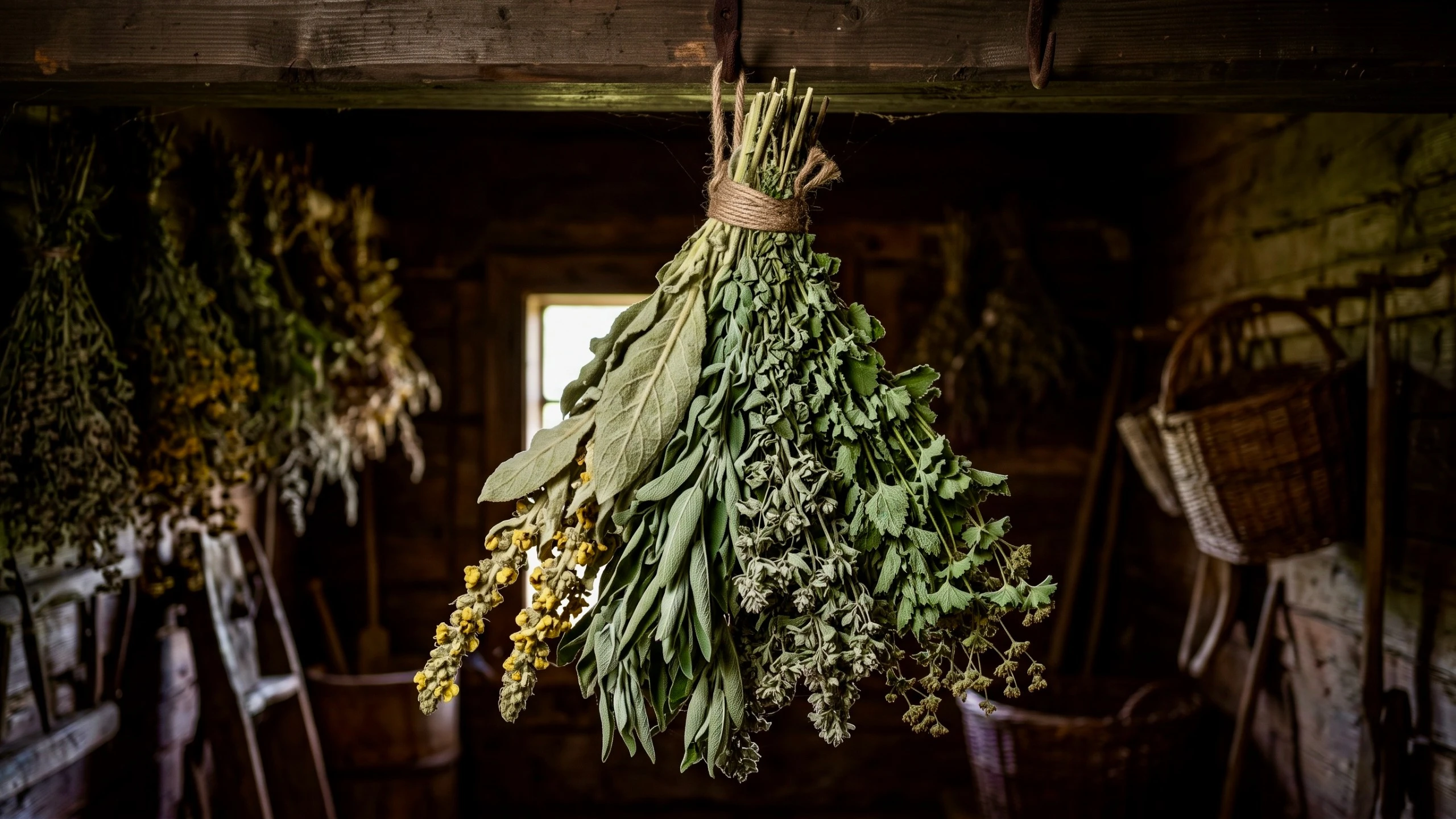
We, however, view tea not as a social activity, but as a source of substances beneficial to the body. Since time immemorial, herbal teas have been a cornerstone of folk medicine, and modern medicine is only now discovering all the health-promoting substances that herbal teas contain.
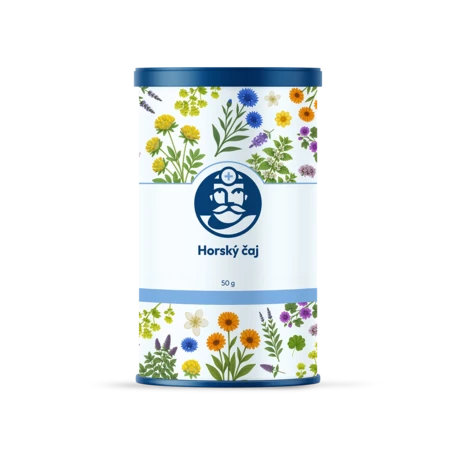
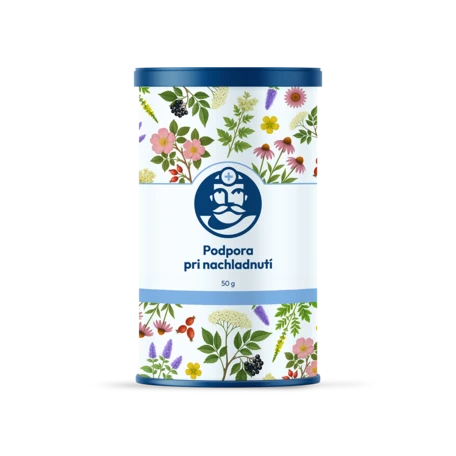
This is one of the reasons why some farmers have turned to organic cultivation of herbs intended for use in medicinal tea blends. The tea presented today is a blend of 11 mountain herbs, grown in the mountainous region beneath the Tatra Mountains. It promotes relaxation, clear breathing, a boost to the immune system, a good mood and a sense of natural well-being.
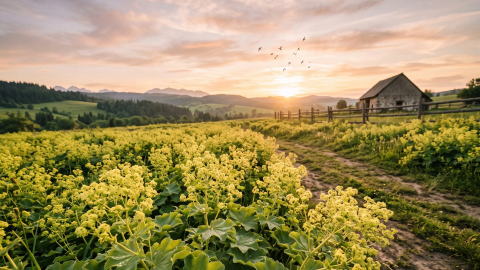
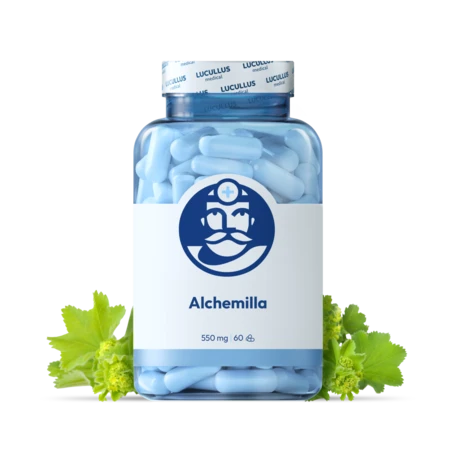
It consists of 11 herbs containing polyphenols, flavonoids, essential oils and bitter compounds. Yellow-green alchemilla is particularly suitable for gynaecological conditions, but is also used for oral hygiene, where it soothes inflammation and treats mouth ulcers... Common marjoram helps with inflammation of the respiratory tract and mental anxiety, and helps to calm the nervous system.
Anyone familiar with the young witch Saxana – from the film *The Girl on the Broomstick* – will know that she needed to get hold of a decoction of ‘grandmother’s ear’. The punchline was that this was the folk name for sage. It is one of the best-known herbs in folk medicine. It also has many other names: koda, rapaňa, wolf’s tail. It was already known in ancient times; its name derives from the Latin ‘salvare’, meaning to treat or heal. A medieval legend says that sage aspires to make a person immortal.
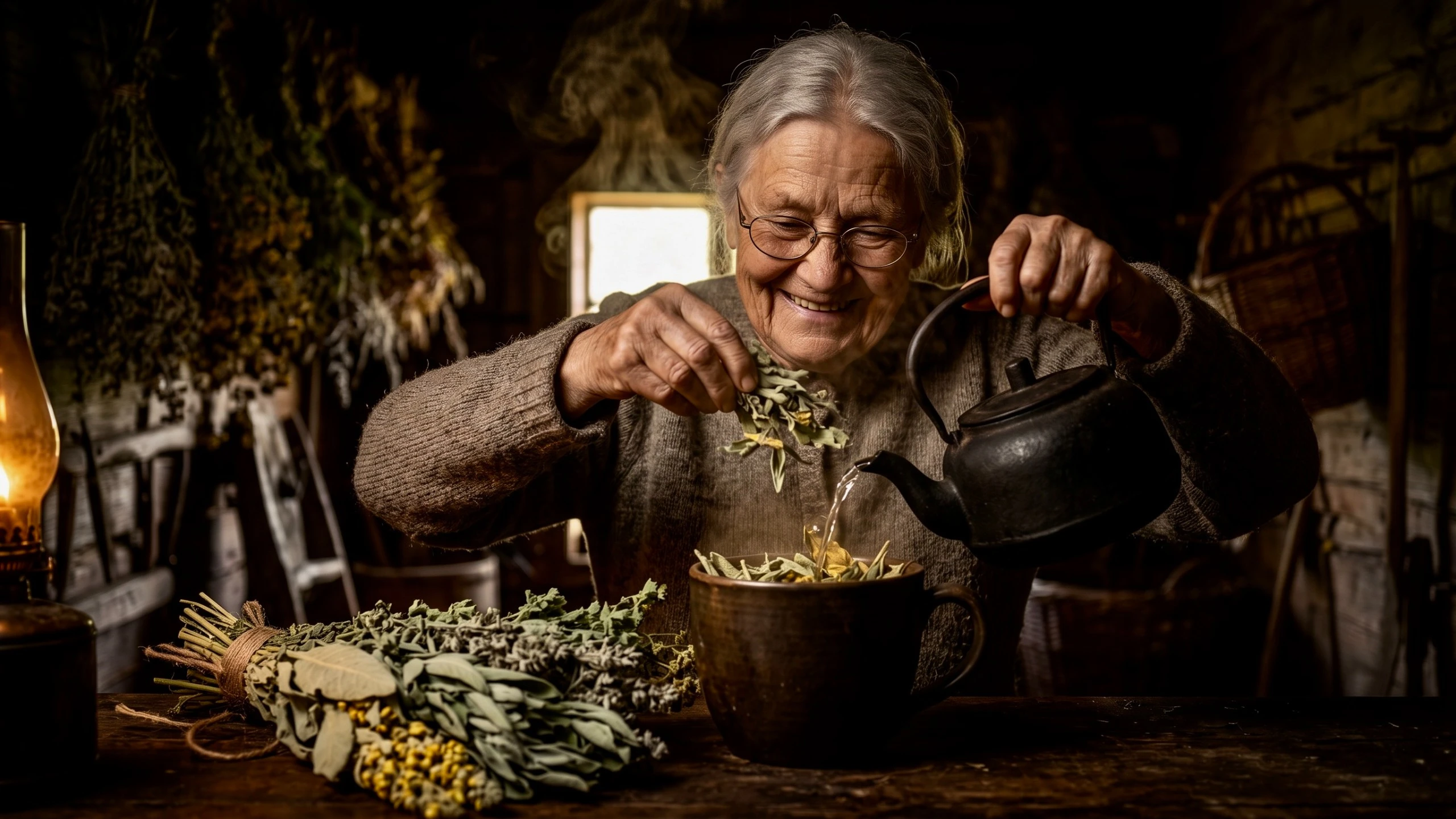
Lemon balm contains vitamins B and C. It has a calming effect, strengthens the central nervous system, helps with migraines and relieves cramps. Mallow, on the other hand, contains mucilage, tannins and essential oils... It protects the mucous membranes, soothes a cough and loosens phlegm. St. John’s wort promotes mental balance, helps with insomnia and acts as a natural antidepressant.
Field cornflower has anti-inflammatory properties, boosts the immune system and soothes the stomach. Large-flowered goldenrod is less well known, but is effective against inflammation and coughs. Calendula, on the other hand, is familiar to almost everyone. Calendula ointment is found in almost every gentle skincare product. It has been used for burns, festering wounds and ulcers. It has anti-inflammatory and antimicrobial effects. Peppermint is also a well-known plant; it stimulates the appetite and helps with nausea and intestinal colic. It relaxes the blood vessels and reduces fever. The final ingredient is medicinal St. John’s wort, which has been used since time immemorial to heal frostbite, treat digestive problems and purify the blood...
These eleven carefully selected mountain plants form an excellent blend that will help you boost your immunity, cleanse your body, lift your spirits and have a positive effect on your mental health. It’s a blend designed to make your day better, no matter how hard or strenuous your work is. You deserve to enjoy a moment with a cup of good tea.