The word ‘detox’ has become a marketing cliché in recent years. It often conjures up images of fasting for several days, sipping celery juice or undergoing sudden cleansing regimes. However, the physiology of the human body works on entirely different principles. The liver is the body’s true, constantly functioning detoxification centre.
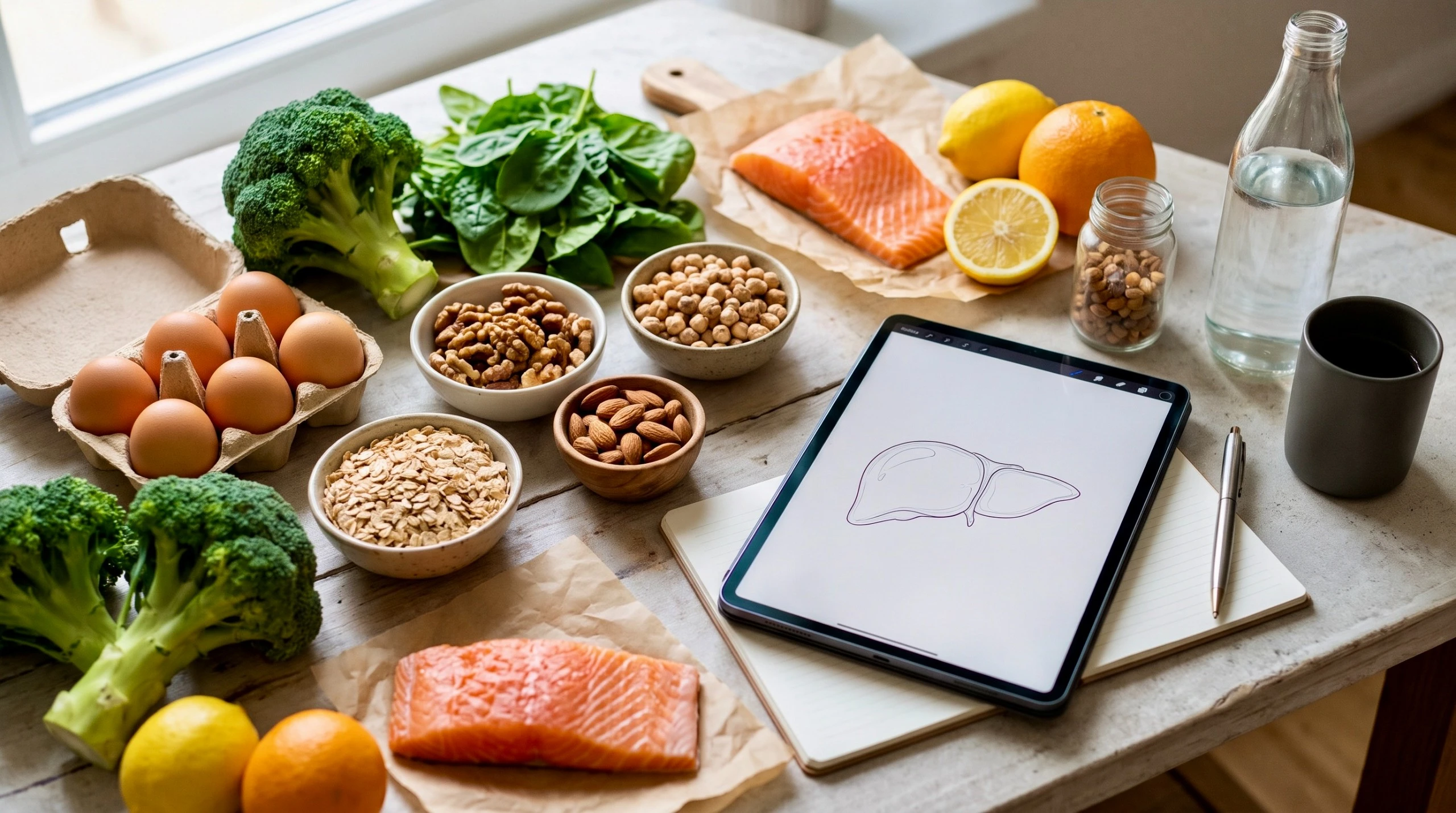
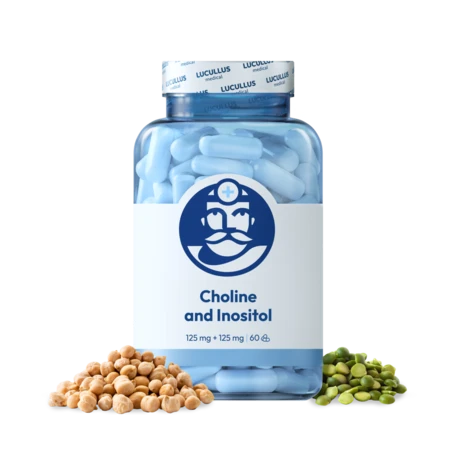
Rather than radical interventions, the liver needs a steady supply of nutrients to keep its metabolic pathways functioning. Key substances that directly influence fat metabolism and liver cell function include choline and inositol.
Fatty liver: A silent problem of the modern age
Non-alcoholic fatty liver disease (medically known as steatosis, now more commonly referred to as MASLD – metabolic dysfunction-associated steatotic liver disease) is one of the most widespread lifestyle-related conditions. The liver does not cause pain, and so the excessive accumulation of fat in liver cells (hepatocytes) often develops over many years without any warning signs.
Steatosis is not caused solely by excessive alcohol consumption. The main factors include:
- a long-term excess of energy in the diet (particularly highly processed foods and simple sugars, especially fructose),
- a sedentary lifestyle and insulin resistance,
- a deficiency of specific micronutrients required for the export of fats from liver tissue.
When the supply and synthesis of fatty acids in the liver exceed the capacity for their combustion (oxidation) and removal, the cells begin to accumulate fat.
Lipotropic substances: Why is fat transport dependent on choline?
The term ‘lipotropic substance’ refers to a compound that supports normal lipid metabolism and prevents the abnormal accumulation of lipids in the liver. It is precisely here that choline plays an indispensable role.
The mechanism of VLDL lipoproteins
The liver synthesises triglycerides (fats), but is unable to release them into the bloodstream in their pure form, as fats are not soluble in water. To enable them to travel to other tissues as a source of energy or for storage, the liver packages them into transport particles called VLDL (Very Low-Density Lipoproteins).
The outer layer of these lipoproteins consists of a phospholipid bilayer, the main component of which is phosphatidylcholine.
If the body has sufficient choline, the synthesis of phosphatidylcholine proceeds smoothly and the liver continuously releases fats into the bloodstream.When there is a choline deficiency, the liver loses its ability to produce sufficient amounts of VLDL. The result is fat becoming ‘trapped’ within the hepatocytes.
The European Food Safety Authority (EFSA) confirms, on the basis of scientific evidence, that choline contributes to the maintenance of normal liver function and to the proper metabolism of lipids and homocysteine.
Where choline and inositol meet
Whilst choline is an essential nutrient that the body can produce in small quantities, though we must obtain most of it from our diet, inositol (often myo-inositol) is synthesised by the body itself to a greater extent. However, they work hand in hand in metabolic processes:
Structural integrity of membranes: Both substances form the basis of the phospholipids in cell membranes (phosphatidylcholine and phosphatidylinositol), which ensure their flexibility, permeability and protection against damage.
Cell signalling and insulin sensitivity: Inositol acts as a second messenger in cellular signalling pathways. It plays a role in mediating the effects of insulin. As insulin resistance directly stimulates the accumulation of fat in the liver, proper cellular signalling helps to maintain a balance in glucose and fat metabolism.
Cholesterol transport: Together with other co-factors, they support the smooth circulation of lipoproteins and prevent the build-up of cholesterol and triglycerides in the vascular and hepatic systems.
Why genuine cleansing requires building materials
Popular ‘spring cleanses’ based on drastic calorie restriction can actually damage the liver. When starved suddenly, the body mobilises large amounts of free fatty acids from peripheral adipose tissue and sends them directly to the liver. If, at this point, the liver does not have sufficient protein and lipotropic substances to process and remove them, the fat load may, paradoxically, increase temporarily.
The biotransformation of toxins and the metabolism of waste products in the liver take place in two enzymatic phases:
Phase I: Conversion of undesirable substances into more reactive intermediates via cytochrome P450.
Phase II: Conjugation – the binding of these intermediates to specific molecules (e.g. glutathione, amino acids, sulphur), thereby making them water-soluble so that the body can excrete them via the bile or urine.
These biochemical processes consume energy, antioxidants, amino acids and micronutrients. The liver therefore does not need a break from nutrients; on the contrary, it requires a targeted and balanced supply of them.

How to support liver health in a sensible and sustainable way
Dietary supplements containing choline and inositol provide physiological support for metabolic processes; however, they are neither a miracle cure nor a treatment for established liver disease. They are no substitute for a varied diet or a healthy lifestyle.
The key to preventing and supporting fat metabolism always remains:
A varied diet rich in micronutrients: Natural sources of choline include egg yolks, beef liver, fish, soya beans, broccoli and pulses. Inositol is found in whole grains, citrus fruits and nuts.
Reducing added sugars: Cutting down on the intake of fructose syrup and sweetened drinks reduces the substrate for fat synthesis in the liver (de novo lipogenesis).
Regular exercise: Physical activity increases the sensitivity of tissues to insulin and promotes the oxidation of fatty acids directly in the muscles, thereby reducing the burden on the liver.
Prudent supplementation: If the diet does not provide an optimal intake of choline, or in cases of increased metabolic demands, supplementation with proven lipotropic substances helps the body to maintain the balance of essential biochemical pathways.
Looking after your liver is not a matter of one-off weekend treatments, but of meeting your body’s daily biochemical needs. The liver does not need drastic diets, but it does need the right environment and building blocks to enable it to carry out its natural cleansing and metabolic functions to the full.
Lipotropic substances, particularly choline, provide scientifically proven support for these processes: they help prevent the undesirable accumulation of fat and ensure its smooth transport to where the body actually uses it. Combined with a sensible diet and regular exercise, this is a simple, physiologically sound way to make this vital organ’s job easier and maintain metabolic health in the long term.