














The Tree of Life. That is the name given to the Moringa oleifera, a tree native to the foothills of the Himalayas. Today, it can be found throughout India and has even spread to Arabia, Africa and Madagascar. It can grow up to 12 metres tall and have a trunk 30 cm thick. It can grow at a rate of 3 metres a year! As almost every part of it can be used (leaves, fruit, trunk), it is often pruned to take the shape of a low-growing shrub.
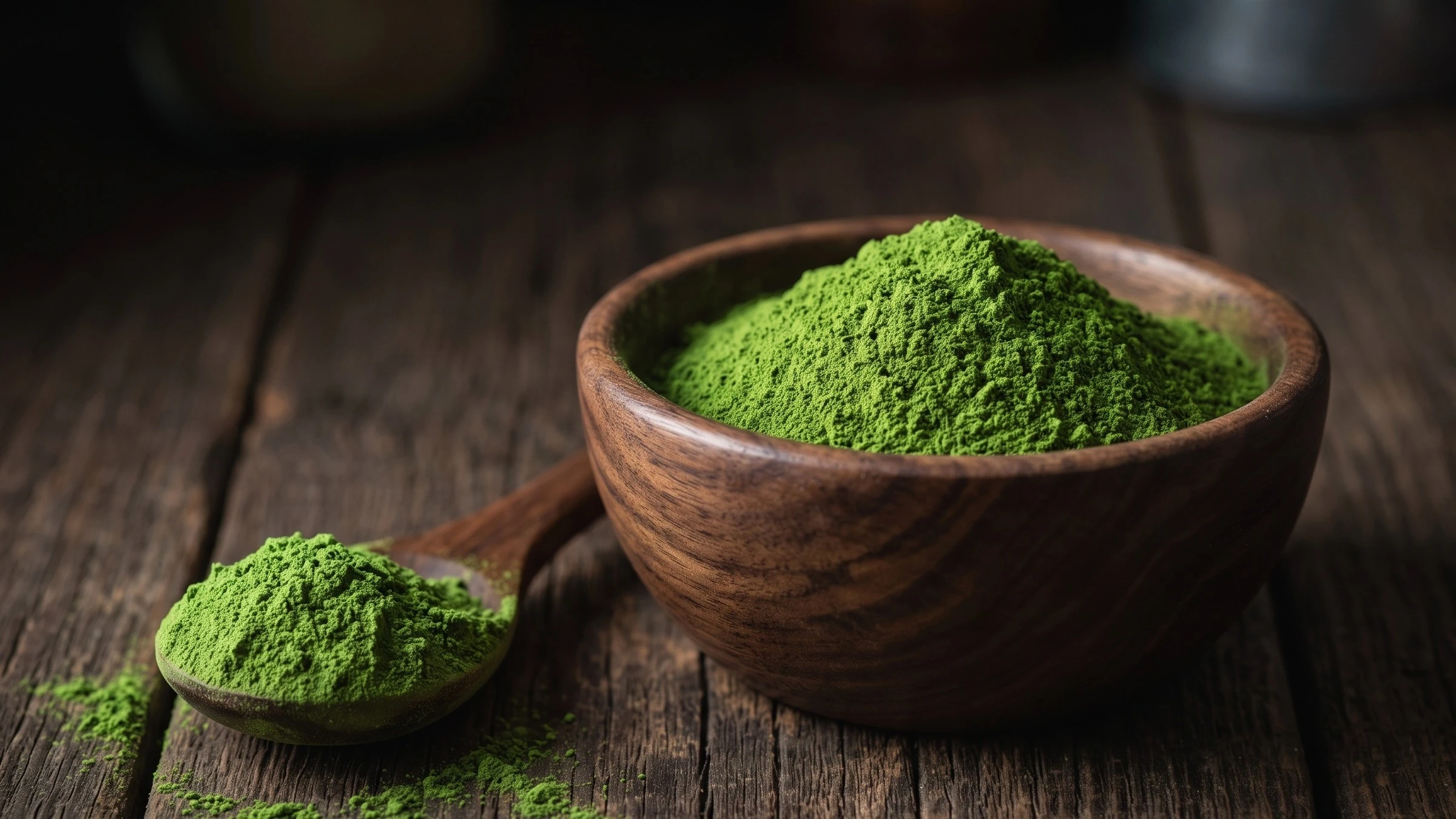
Moringa oleifera contains the three most potent antihistamines: polyphenols, flavonoids and antioxidants, combined with higher levels of omega-3 fatty acids. It has anti-inflammatory and healing properties, and provides the body with a range of substances that counteract the release of histamine. Furthermore, it is a source of many vitamins (A, E, K, B group) and minerals (potassium, phosphorus, magnesium, iron, zinc, manganese, etc.).
Locals often eat the leaves straight away, adding them to salads or using them to make soups and sauces. They are a source of vitamins, minerals and protein. In some places, the fruits are eaten whilst still green; when ripe, they are roasted and taste like nuts. When ripe, they contain up to 40 per cent oil. This oil is used in cooking, the cosmetics industry and even in watchmaking for the delicate lubrication of components.
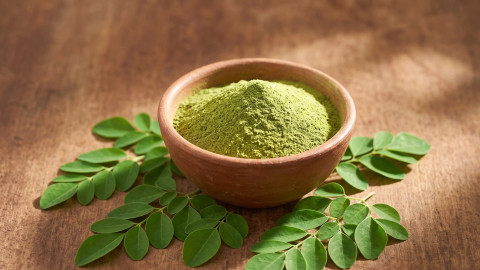
Powder made from the dried fruits can clarify murky water! Water-soluble proteins form flocs of sediment, which sink to the bottom, leaving the water clear. This is how people in the Nile River region usually treat water before boiling it. Moringa flowers are eaten cooked, just like the leaves. The roots of this plant have a pungent taste and are used as a substitute for horseradish. However, be careful not to eat too much – they contain the alkaloid spirochin.
However, moringa is also well known in folk medicine. Ayurveda uses it to treat more than 300 physical ailments. The roots of this plant are used to treat digestive disorders, to combat intestinal parasites, and as a painkiller. The seeds have anti-inflammatory properties and help reduce fever. They are also used to treat vitamin C deficiency – they were used to help sailors combat scurvy.
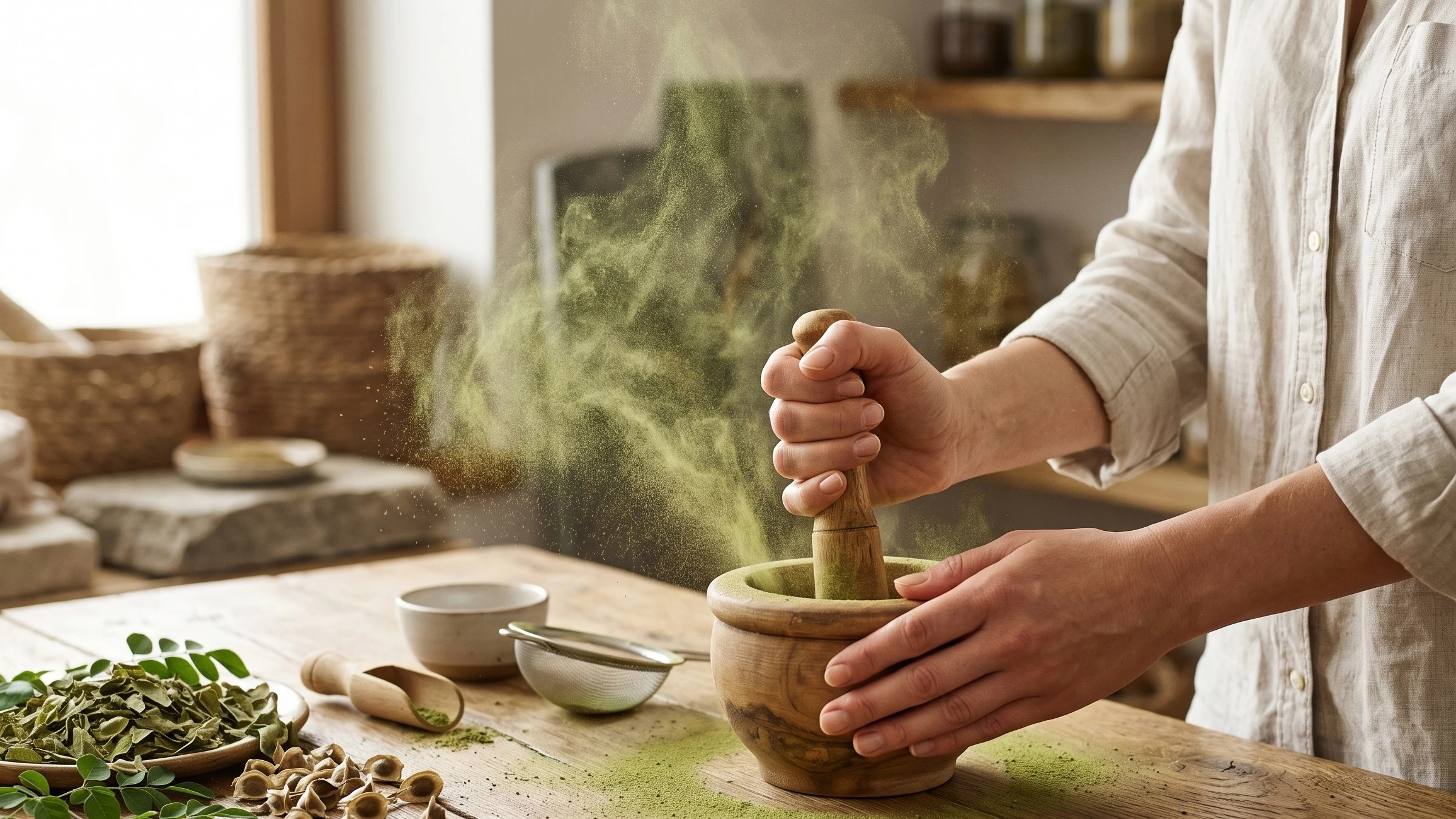
Thanks to all these properties, it has not escaped the attention of modern medicine. Through analysis, scientists have discovered that Moringa oleifera contains more than 40 natural antioxidants. Manganese, which has a positive effect on the joints and the musculoskeletal system. 18 essential amino acids, which are important for protein synthesis. The plant hormone zeatin, known as the ‘hormone of youth’. This transports beneficial substances to the necessary parts of the body.
Moringa is recommended for diabetes, weight loss, cardiovascular problems, neurodegenerative diseases and a weak immune system. It is very effective for feelings of low energy. Thanks to its anti-inflammatory properties, it is suitable for aiding the body’s recovery and alleviating joint problems.
Moringa oleifera is an excellent choice for vegetarians, but especially for vegans! This is because it contains substances of which people who do not consume animal products tend to have lower levels. It is truly a versatile plant that is rightly called the ‘tree of life’.