 Immunity and Vitality
How to prepare your body for chilly weather: 5 daily rituals for a strong immune system
Do you know that feeling? You step out of the house in the morning, greeted by thick fog; a cold wind chills you to the bone as it ‘sneaks’ under your coat; and on the tram or in the office, you can already hear the first coughs coming from all around. Autumn and winter have their undeniable charm – warm jumpers, evenings under a blanket and a crackling fire. But for our bodies, this is a period of a real ordeal.
 Health
Magnesium - the most important mineral?
If you ask any athlete (especially endurance athletes) what nutritional supplement they always have with them for competitions, the most common answer will be "magnesium". Magnesium is definitely one of the most important minerals for our body. It is a so-called "deficiency" mineral because we excrete it from the body during excessive exertion, but also when we are not exercising! Just living in a noisy, stressful, demanding environment is enough...
Apple cider vinegar is one of the most popular natural products with a wide range of health benefits. Apple cider vinegar has been sought after for centuries for its health effects, including promoting digestion, regulating weight, maintaining stable blood sugar levels, and improving cardiovascular health.
 Immunity and Vitality
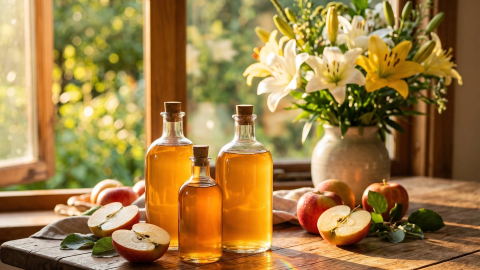
Apple cider vinegar, ... not only for models
Apple cider vinegar is one of the most popular natural products with a wide range of health benefits. Apple cider vinegar has been sought after for centuries for its health effects, including promoting digestion, regulating weight, maintaining stable blood sugar levels, and improving cardiovascular health.
Reishi, a mushroom used as far back as 4,000 years ago. The divine mushroom of immortality – in the past, it was believed to be able to revive even the dead. It has a particularly important place in Chinese medicine (under the name lingzhi), where it was first mentioned in writing 200 years before Christ. An entire army was assigned to search for it, because the Chinese imperial court believed that it could be used to mix an elixir of immortality. The Slovak name probably does not mean much to you - Leskokôrovka hnedočervená, it is actually a wood-destroying parasitic fungus that lives mainly on injured trees. It has a huge spectrum of biological substances. Its effects are also described in the professional encyclopaedia Huby ako .
 Immunity and Vitality
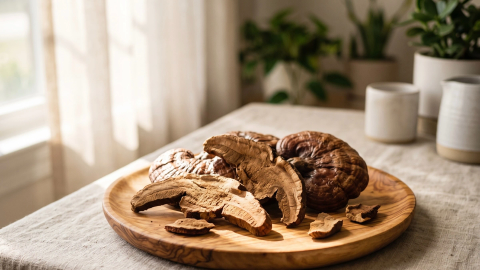
Reishi - the mushroom of immortality
Reishi, a mushroom used as far back as 4,000 years ago. The divine mushroom of immortality – in the past, it was believed to be able to revive even the dead. It has a particularly important place in Chinese medicine (under the name lingzhi), where it was first mentioned in writing 200 years before Christ. An entire army was assigned to search for it, because the Chinese imperial court believed that it could be used to mix an elixir of immortality. The Slovak name probably does not mean much to you - Leskokôrovka hnedočervená, it is actually a wood-destroying parasitic fungus that lives mainly on injured trees. It has a huge spectrum of biological substances. Its effects are also described in the professional encyclopaedia Huby ako .
Imagine that your body is a factory working at full capacity (to provide energy, growth, cell repair) and iron is the fuel that keeps it running. If iron reserves are depleted, you may experience weakness, heart palpitations or paler skin. Symptoms of iron deficiency include brittle nails, dry hair, shortness of breath, sleep problems, reduced concentration, cold extremities, increased frequency of infections, and anaemia (a lack of red blood cells caused by too little iron in the body), which manifests itself as extreme fatigue. With anaemia, the body is not supplied with enough oxygen and quickly becomes exhausted. Bruising can also be a sign of iron deficiency, as this mineral is important in the formation of haemoglobin, which supports the proper functioning of blood platelets.
 Immunity and Vitality
Iron - the secret to your health and energy
Imagine that your body is a factory working at full capacity (to provide energy, growth, cell repair) and iron is the fuel that keeps it running. If iron reserves are depleted, you may experience weakness, heart palpitations or paler skin. Symptoms of iron deficiency include brittle nails, dry hair, shortness of breath, sleep problems, reduced concentration, cold extremities, increased frequency of infections, and anaemia (a lack of red blood cells caused by too little iron in the body), which manifests itself as extreme fatigue. With anaemia, the body is not supplied with enough oxygen and quickly becomes exhausted. Bruising can also be a sign of iron deficiency, as this mineral is important in the formation of haemoglobin, which supports the proper functioning of blood platelets.
In addition to supplements, functioning and various supplements, our body needs to 100% and the so-called trace substances. The designation "trace" means that our body needs it only in small amounts. We need 10mg of zinc per day, which is 37 times smaller compared to magnesium (375mg). It would seem that we are talking about a complete uselessness. However, the opposite is true. Zinc affects over 200 biochemical reactions in our body!
 Health
Zinc - the killer of fatigue
In addition to supplements, functioning and various supplements, our body needs to 100% and the so-called trace substances. The designation "trace" means that our body needs it only in small amounts. We need 10mg of zinc per day, which is 37 times smaller compared to magnesium (375mg). It would seem that we are talking about a complete uselessness. However, the opposite is true. Zinc affects over 200 biochemical reactions in our body!
Since time immemorial, people have sought out miraculous herbs and mushrooms that promote health, cure deadly diseases and enhance male potency. Every culture has its own guaranteed aphrodisiacs. In our country, oysters and chocolate are particularly well known. Recently, however, especially with the development of tourism, we are gradually learning about other stimulants that people use, often on the other side of the planet. One of the oldest substances for promoting potency is Peruvian maca.
 Immunity and Vitality
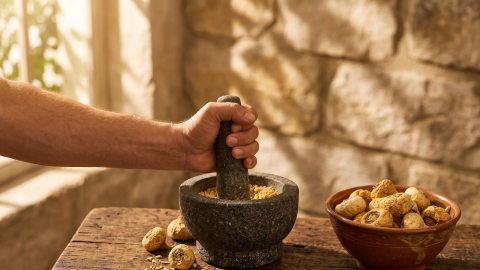
Maca - Peruvian ginseng
Since time immemorial, people have sought out miraculous herbs and mushrooms that promote health, cure deadly diseases and enhance male potency. Every culture has its own guaranteed aphrodisiacs. In our country, oysters and chocolate are particularly well known. Recently, however, especially with the development of tourism, we are gradually learning about other stimulants that people use, often on the other side of the planet. One of the oldest substances for promoting potency is Peruvian maca.
If you are active on social media, you are surely familiar with the term milk thistle. It is the phenomenon of 2024, with advertisements for this "miracle herb" everywhere you look. Unlike other dietary supplements, no one questions the effects of this plant. Opinions differ only on individual products and methods of processing. What is so miraculous about this thistle?
 Health
Milk thistle and liver
If you are active on social media, you are surely familiar with the term milk thistle. It is the phenomenon of 2024, with advertisements for this "miracle herb" everywhere you look. Unlike other dietary supplements, no one questions the effects of this plant. Opinions differ only on individual products and methods of processing. What is so miraculous about this thistle?
Have you heard about this fascinating fungus with its peculiar appearance and way of existence? The names „Chinese caterpillar, Himalayan gold or mushroom of longevity“ do not reveal much ...
 Energy
Cordyceps sinensis with an incredible life cycle
Have you heard about this fascinating fungus with its peculiar appearance and way of existence? The names „Chinese caterpillar, Himalayan gold or mushroom of longevity“ do not reveal much ...
You certainly know the feeling when you feel threatened. A big dog ran at you from behind the fence, your boss plowed into you in a meeting and carried you under the ground, or your mortgage is due tomorrow and you just got fired from your job. In such cases, the body produces a steroid hormone - cortisol. This already protects us in dangerous situations and the body prepares the "fight or flight" position. The heart pumps, blood rushes to vital organs, pain levels suppress... You say to yourself - the most useful thing under the sun!
 Health
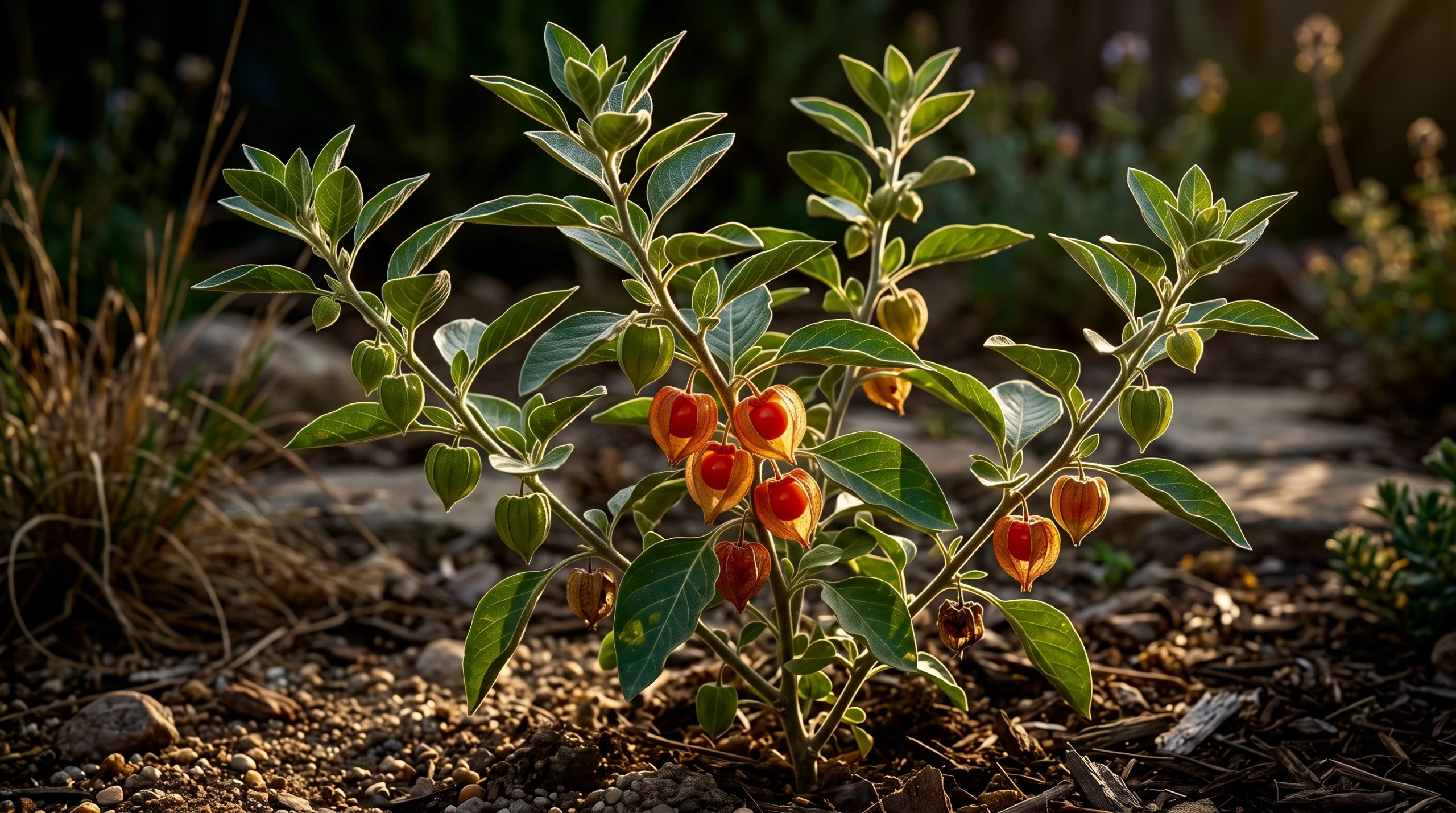
Ashwagandha - cortisol tamer
You certainly know the feeling when you feel threatened. A big dog ran at you from behind the fence, your boss plowed into you in a meeting and carried you under the ground, or your mortgage is due tomorrow and you just got fired from your job. In such cases, the body produces a steroid hormone - cortisol. This already protects us in dangerous situations and the body prepares the "fight or flight" position. The heart pumps, blood rushes to vital organs, pain levels suppress... You say to yourself - the most useful thing under the sun!
In addition to the well-known B-Komplex mix of B vitamins, individual vitamins can also be purchased as salt. What is it good for? The well-known set of B vitamins is a good nutritional supplement, you have an overall vitamin deficiency in the body. However, if you are not addressing a specific problem, sometimes the specific type of vitamin you need to supplement is more appropriate. So why is vitamin B2 needed?
 Energy
Vitamin B2 Riboflavin
In addition to the well-known B-Komplex mix of B vitamins, individual vitamins can also be purchased as salt. What is it good for? The well-known set of B vitamins is a good nutritional supplement, you have an overall vitamin deficiency in the body. However, if you are not addressing a specific problem, sometimes the specific type of vitamin you need to supplement is more appropriate. So why is vitamin B2 needed?
Vitamin B1 belongs to the B1 to B12 groups, which we refer to collectively as the B complex. All vitamins in this group should be supplemented under this name. But do I only need one of them? You need the whole group – the most important vitamins from the B group can be obtained separately.
 Energy
Vitamin B1 Thiamine
Vitamin B1 belongs to the B1 to B12 groups, which we refer to collectively as the B complex. All vitamins in this group should be supplemented under this name. But do I only need one of them? You need the whole group – the most important vitamins from the B group can be obtained separately.
There's a scene in an old movie where Grandma or Grandpa make little kids drink a spoonful of fish oil every morning. The kids hate it, it tastes disgusting. "But you'll be healthy!"- is the sentence of the caring grandparents. Where did this come from? It is still true today, except that science has managed to turn the miraculous fish oil into "ordinary" tablets or extracts with no normal taste.
 Health
Omega 3 protects your cardiovascular system
There's a scene in an old movie where Grandma or Grandpa make little kids drink a spoonful of fish oil every morning. The kids hate it, it tastes disgusting. "But you'll be healthy!"- is the sentence of the caring grandparents. Where did this come from? It is still true today, except that science has managed to turn the miraculous fish oil into "ordinary" tablets or extracts with no normal taste.
Do you try your best to drink the recommended two to three litres of water a day, yet still feel tired in the afternoon, with your body feeling stiff and your skin looking pale and lifeless?
 Immunity and Vitality
The secret of cellular hydration and the body’s morning reboot
Do you try your best to drink the recommended two to three litres of water a day, yet still feel tired in the afternoon, with your body feeling stiff and your skin looking pale and lifeless?
You may be familiar with this: despite using a high-quality moisturiser, by the end of the day your skin feels tight and tired, and the fine lines around your eyes and mouth seem somehow more pronounced. We often tend to reach for more serums, but the condition of your skin is, first and foremost, a reflection of the processes taking place deep beneath its surface.
 Beauty and Skin
How collagen helps combat wrinkles and skin dehydration
You may be familiar with this: despite using a high-quality moisturiser, by the end of the day your skin feels tight and tired, and the fine lines around your eyes and mouth seem somehow more pronounced. We often tend to reach for more serums, but the condition of your skin is, first and foremost, a reflection of the processes taking place deep beneath its surface.
Do you know that feeling when you don’t feel quite yourself, but can’t quite put your finger on why? You wake up in the morning feeling drained, your favourite jeans suddenly feel too tight, and even the smallest thing can drive you round the bend. We often put these feelings down to being overworked, bad weather, getting on in years or just general tiredness.
 Harmony
Hormonal imbalance: 7 subtle signs that your body needs support
Do you know that feeling when you don’t feel quite yourself, but can’t quite put your finger on why? You wake up in the morning feeling drained, your favourite jeans suddenly feel too tight, and even the smallest thing can drive you round the bend. We often put these feelings down to being overworked, bad weather, getting on in years or just general tiredness.
You know that feeling around two or three o’clock in the afternoon. You’re finalising a spreadsheet, replying to yet another email or scrolling through social media, when suddenly your eyes start to sting. You start blinking more quickly, the text on the screen becomes slightly blurred, and it feels as though someone has sprinkled fine sand under your eyelids.
 Health
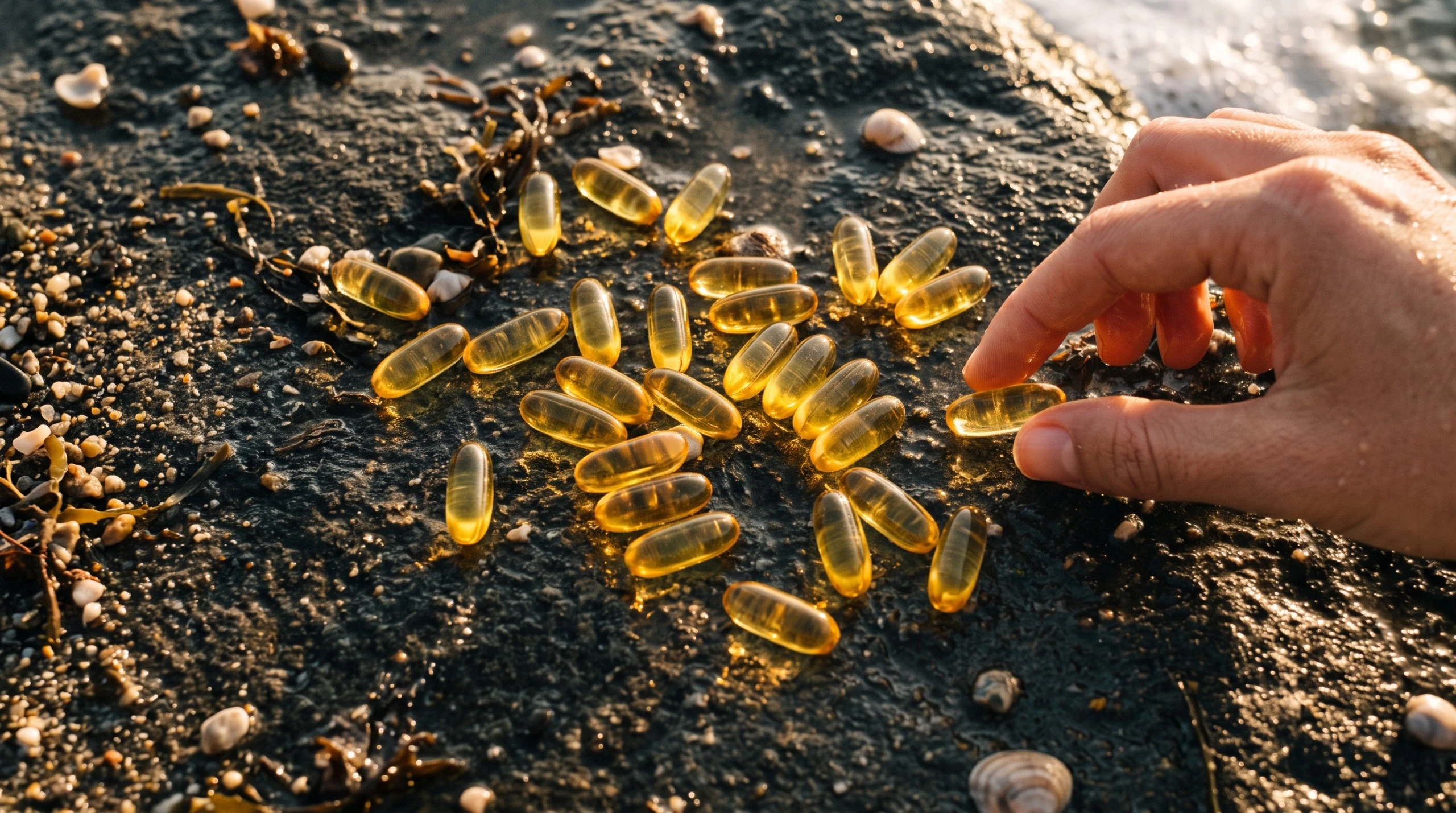
Why are omega-3s so effective for tired eyes caused by screen use?
You know that feeling around two or three o’clock in the afternoon. You’re finalising a spreadsheet, replying to yet another email or scrolling through social media, when suddenly your eyes start to sting. You start blinking more quickly, the text on the screen becomes slightly blurred, and it feels as though someone has sprinkled fine sand under your eyelids.
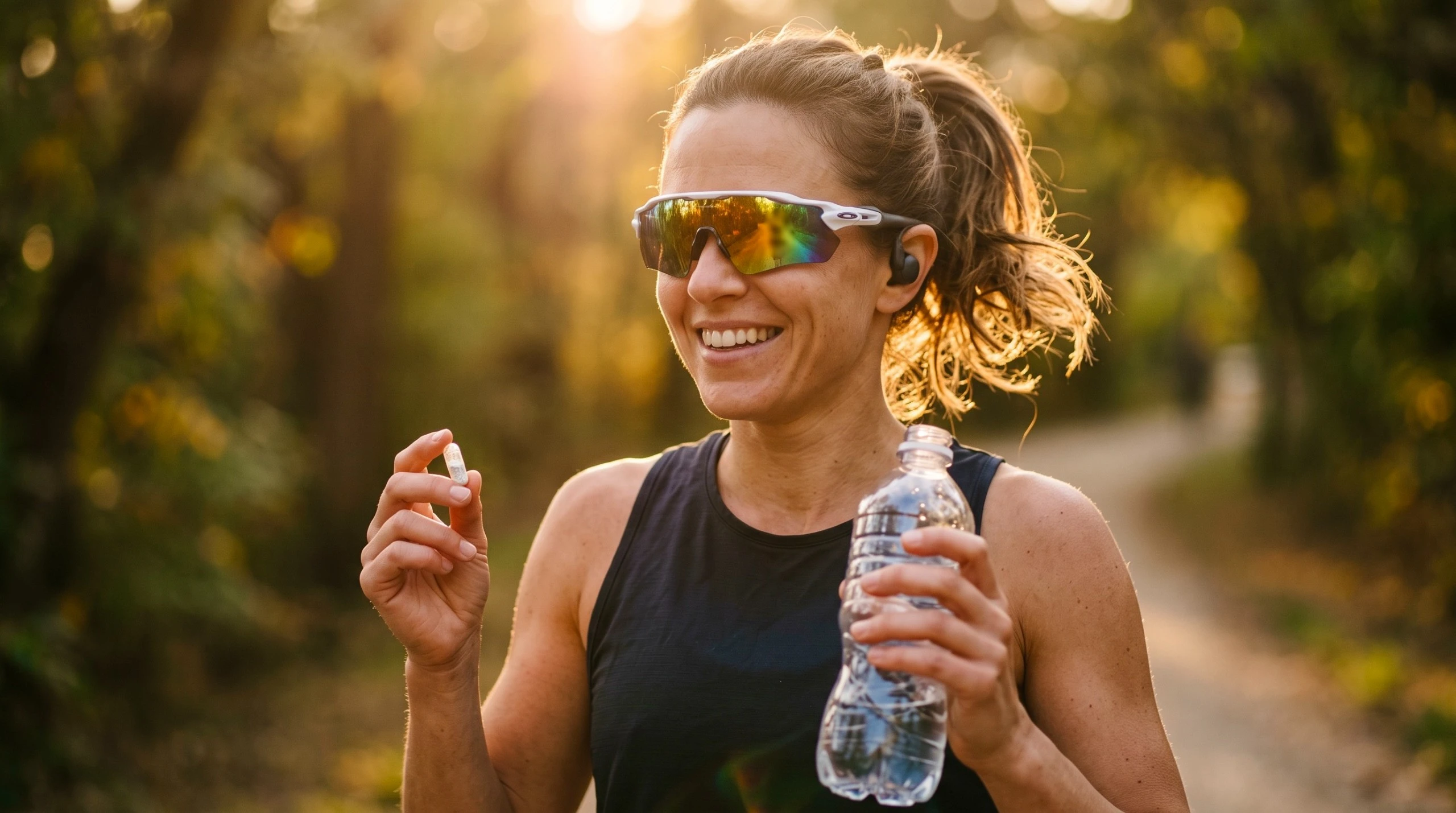
You may have noticed this in a chemist’s or on an online shop too: standard vitamin C for a few euros, and right next to it the same vitamin labelled ‘liposomal’ for three to four times the price.
 Health
Is it worth paying extra for liposomal vitamins?
You may have noticed this in a chemist’s or on an online shop too: standard vitamin C for a few euros, and right next to it the same vitamin labelled ‘liposomal’ for three to four times the price.
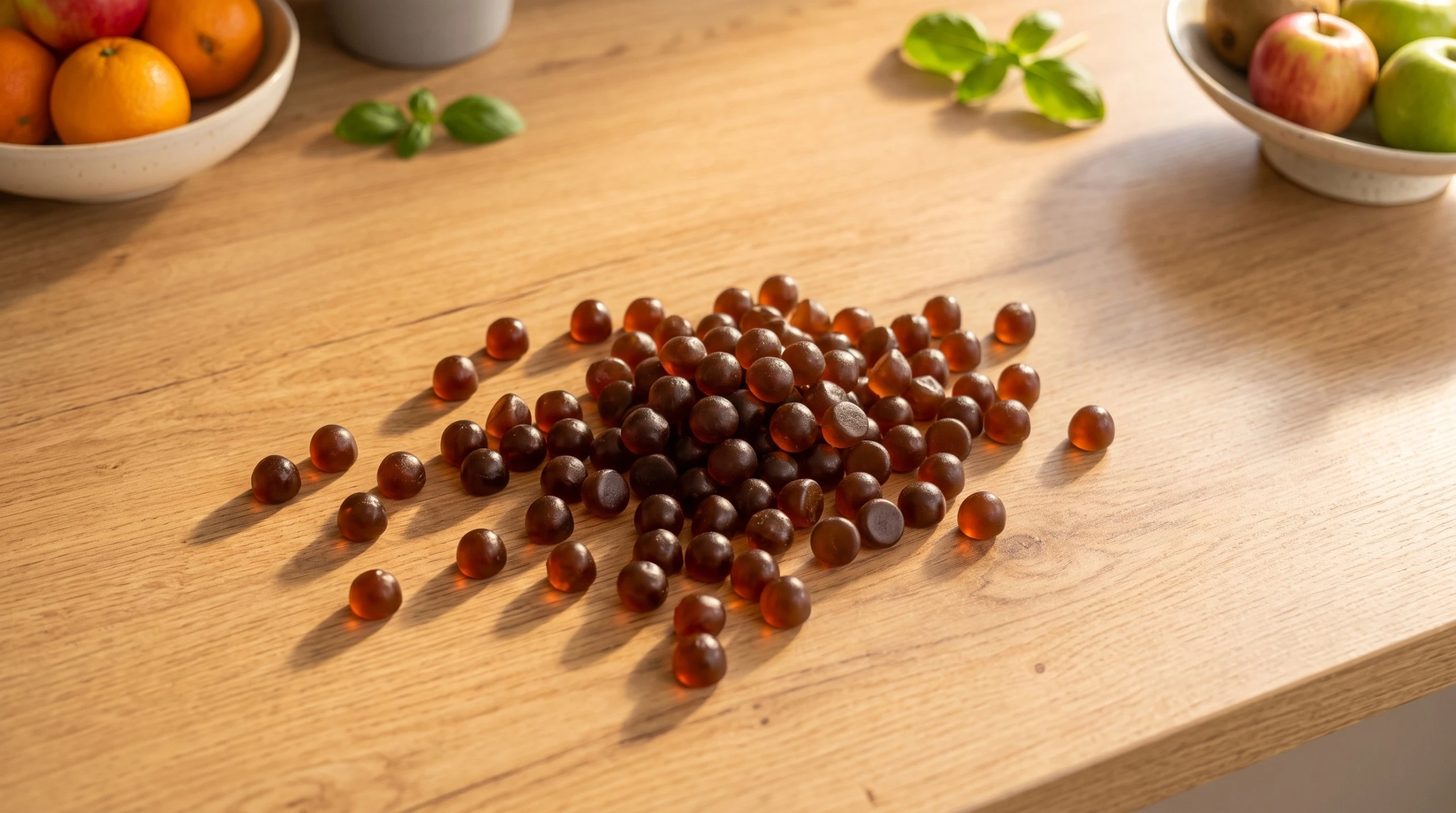
Almost everyone is familiar with this sight: a full hairbrush after just one brush, tufts of hair in the shower drain, and that queasy feeling in the stomach as you style your hair in front of the mirror.
 Beauty and Skin
Why are you losing so much hair? 5 subtle signs from your body that you’re lacking key micronutrients
Almost everyone is familiar with this sight: a full hairbrush after just one brush, tufts of hair in the shower drain, and that queasy feeling in the stomach as you style your hair in front of the mirror.
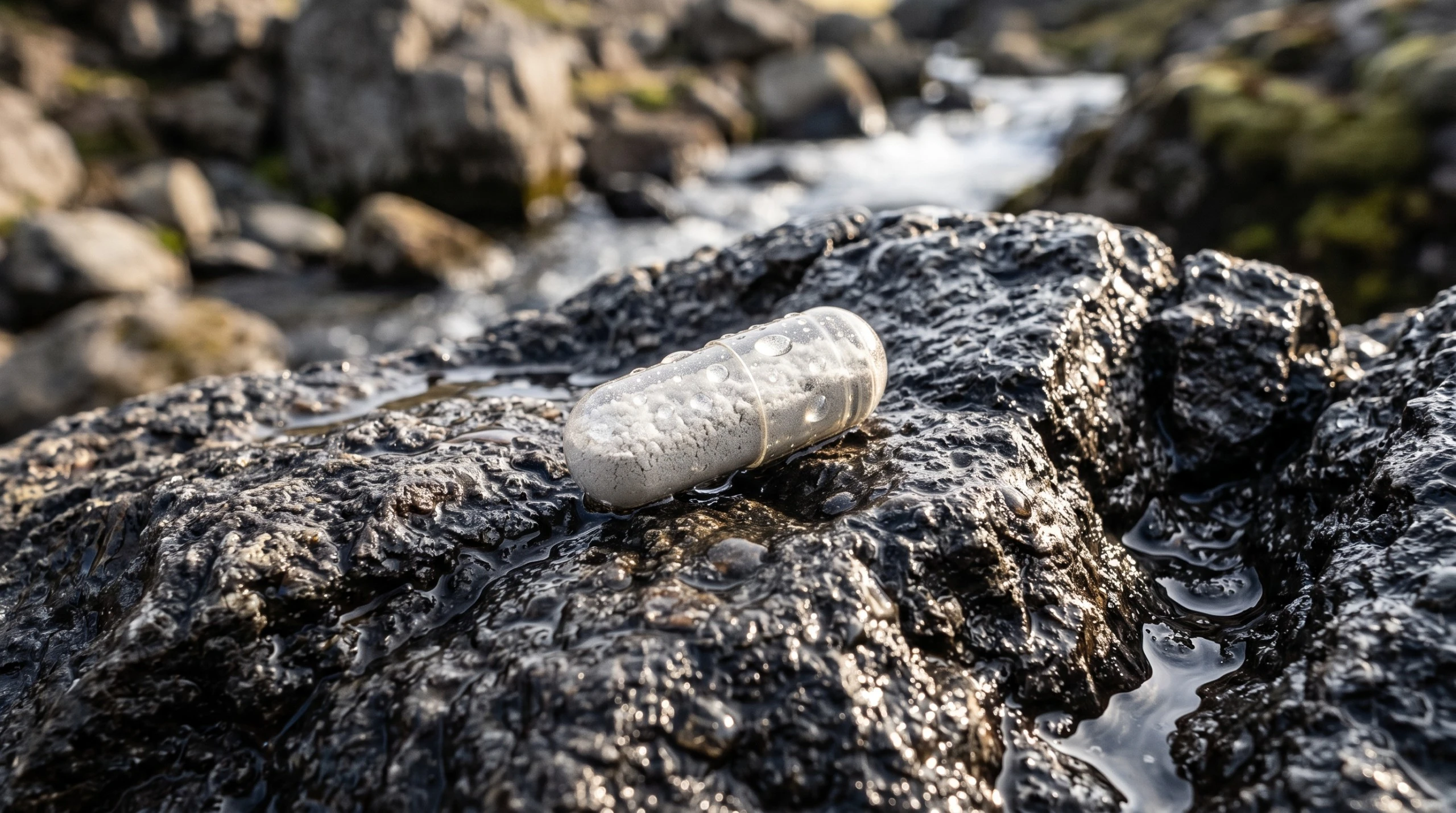
In an effort to do as much as possible for our health, we often turn to all sorts of combinations of capsules and vitamins. Although the intention is good, our body does not function like a container into which we can simply pour anything at any time. Many vitamins use the same absorption pathways, bind to the same receptors or directly alter the metabolism of others.
 Health
Bad combinations of supplements: Never take these substances at the same time
In an effort to do as much as possible for our health, we often turn to all sorts of combinations of capsules and vitamins. Although the intention is good, our body does not function like a container into which we can simply pour anything at any time. Many vitamins use the same absorption pathways, bind to the same receptors or directly alter the metabolism of others.
As soon as the temperature drops to zero and the first cough is heard in the office or on the bus, the same ritual begins in many households: a glass of water with effervescent ‘C’ tablets and a random dose of vitamin D drops. We’ve got used to seeing them as a fire extinguisher – something we pull out of the cupboard in a panic when we already feel a tickle in our throats. However, science and the biology of the human body work differently from the marketing of pharmaceutical companies. With both vitamins, we often pay for a false sense of security.
 Health
Myths vs. facts about vitamins C and D: When do they actually boost immunity, and when do they fail to have an effect?
As soon as the temperature drops to zero and the first cough is heard in the office or on the bus, the same ritual begins in many households: a glass of water with effervescent ‘C’ tablets and a random dose of vitamin D drops. We’ve got used to seeing them as a fire extinguisher – something we pull out of the cupboard in a panic when we already feel a tickle in our throats. However, science and the biology of the human body work differently from the marketing of pharmaceutical companies. With both vitamins, we often pay for a false sense of security.
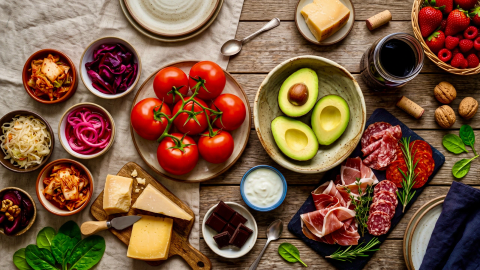
A blocked nose, unexplained sneezing, red patches on the skin or stomach cramps after a seemingly harmless lunch. If these symptoms sound familiar, you’ve probably already come across the terms ‘seasonal allergy’ or ‘histamine intolerance’ (HIT).
 Immunity and Vitality
Do you suffer from histamine reactions? These natural substances will soothe your body
A blocked nose, unexplained sneezing, red patches on the skin or stomach cramps after a seemingly harmless lunch. If these symptoms sound familiar, you’ve probably already come across the terms ‘seasonal allergy’ or ‘histamine intolerance’ (HIT).
We live in an age where constant tension and an overburdened nervous system are almost the social norm. Chronic stress and that unpleasant, creeping anxiety have long since ceased to be merely abstract psychological concepts. They manifest as a knot in the stomach, an endless stream of thoughts before bedtime, and a feeling of exhaustion that cannot simply be shaken off with a good night’s sleep. As if that weren’t enough, stomach problems can also be counted amongst the unpleasant symptoms. Although sleep, exercise and lifestyle adjustments remain the foundation of mental balance, during prolonged periods of nervous tension our body burns through key micronutrients whilst crying out for help.
 Health
How to reduce stress levels without medication: 5 supplements that really work
We live in an age where constant tension and an overburdened nervous system are almost the social norm. Chronic stress and that unpleasant, creeping anxiety have long since ceased to be merely abstract psychological concepts. They manifest as a knot in the stomach, an endless stream of thoughts before bedtime, and a feeling of exhaustion that cannot simply be shaken off with a good night’s sleep. As if that weren’t enough, stomach problems can also be counted amongst the unpleasant symptoms. Although sleep, exercise and lifestyle adjustments remain the foundation of mental balance, during prolonged periods of nervous tension our body burns through key micronutrients whilst crying out for help.
Mornings are starting to get colder, the days are getting shorter by the day, and the morning mist reminds us that summer has definitely handed over the baton to autumn. However, along with cosy jumpers and a cup of hot tea comes a time when our bodies are put to the test. Colder weather, crowded spaces and a lack of natural sunlight create the ideal conditions for seasonal fatigue and unwanted germs.
 Energy
5 vitamins you should incorporate into your daily routine as autumn approaches. Do you take them too?
Mornings are starting to get colder, the days are getting shorter by the day, and the morning mist reminds us that summer has definitely handed over the baton to autumn. However, along with cosy jumpers and a cup of hot tea comes a time when our bodies are put to the test. Colder weather, crowded spaces and a lack of natural sunlight create the ideal conditions for seasonal fatigue and unwanted germs.




















 Retail