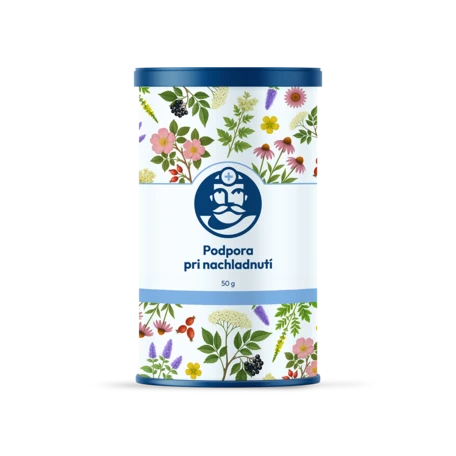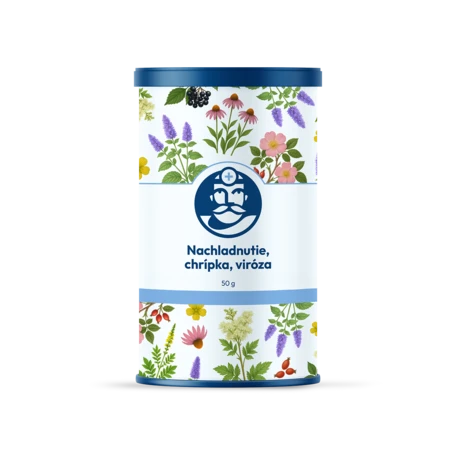
















When the colder days arrive, bringing with them a runny nose, a blocked nose or a scratchy throat, that’s exactly the right time to reach for a cup of tea – but not just any tea. Dr Lucullus’s range offers a balance between natural nutrition and the power of science. We’d like to show you how our Organic Tea – Cold Relief can help and how it can become your natural ally.

Why is this tea a ‘good choice’? This warm herbal drink provides immediate relief – it clears blocked sinuses, soothes a sore throat and, by keeping you hydrated, supports the immune system. Carefully selected plants from organic farming ensure a pure origin and a consistent profile of active ingredients. Research suggests that certain herbs may help shorten the duration of illness and alleviate respiratory symptoms. So which ones are they?
It is precisely our strong connection with plants grown in the Tatras:
Meadowsweet – Filipendula ulmaria – contains salicylates, polyphenols and flavonoids with significant anti-inflammatory effects. Recent reviews confirm that the effect arises from the synergy of several components that modulate inflammatory pathways. Organic quality guarantees a high content of salicylates and essential oils. It helps to relieve headaches, muscle and joint pain, as well as the symptoms of flu and the common cold. Black elder – Sambucus nigra is one of the most thoroughly researched herbs for respiratory problems. Clinical studies have shown that the plant shortens the duration of flu symptoms by approximately 4 days and reduces the need for medication. It has antiviral properties, promotes the clearance of mucus, eases breathing, reduces fever and speeds up recovery. Purple coneflower – Echinacea purpurea is one of the classic herbs for preventing the common cold. Studies confirm its preventative effect – a lower incidence and shorter duration of colds. It boosts resistance to upper respiratory tract infections. Glycosides, volatile compounds and essential oils contribute to its disinfectant and antimicrobial effects. Rugose hyssop – Agastache rugosa is traditionally used in Asian phytotherapy. More recent studies highlight its immunomodulatory and anti-inflammatory effects – it reduces levels of pro-inflammatory cytokines. Flavonoids and phenolic acids protect cells from oxidative stress, promote sweating and reduce fever.Agrimony – Agrimonia eupatoria contains polyphenols (flavonoids, tannins) with significant antioxidant and anti-inflammatory effects. Review studies show that it inhibits inflammatory mediators and provides relief from discomfort in the throat mucosa. In traditional medicine, it is also used as an astringent – for irritation and inflammation.Rosehip – Rosa canina is commonly known as rosehip, and these are particularly noted for their combination of vitamin C, polyphenols and the galactolipid GOPO, which has anti-inflammatory properties. Studies have confirmed a reduction in pain and improved mobility in inflammatory conditions. In the context of the common cold, it stands out for its synergistic antioxidant and anti-inflammatory effects and for its vitamin C content.

Choose the right preparation
Pour 250 ml of water at a temperature of approximately 80 °C over 1 teaspoon of the herbal mixture. Leave to infuse for 3–5 minutes, then strain.For a milder flavour, you can add a teaspoon of good-quality honey or a drop of lemon juice – honey helps to soothe a cough, whilst lemon provides natural vitamin C.
Take a moment for yourself
Regular tea consumption is linked to a lower risk of chronic diseases and contributes to overall health. Treat yourself to a moment of rest – wrap yourself in a soft blanket, pick up a book or put on some gentle music. Peace and relaxation boost your immunity just as much as a herbal infusion. If you’re feeling run down, treat yourself to a warm cup of high-quality loose-leaf tea made from pure herbs, which will soothe your soul and revitalise your body. Discover a tea that helps with symptoms, creates space for good health and offers a blend of comfort and naturalness.