















It sounds like an ingredient in a magic potion from a fantasy film, or something you might find in a wicked witch’s cauldron. However, ‘devil’s claw’ (scientifically known as Harpagophytum procumbens) is no magic at all, but a real plant with a fascinating history and even more intriguing effects on the human body.

Where did it come from, and why is it called that?
Devil’s claw is native to the harsh, arid conditions of southern Africa, particularly in the famous Kalahari Desert, in Namibia and Botswana. Local people have been using it in traditional medicine for centuries.
And that spooky name? The plant gets its name from its fruits. These are covered in long, woody outgrowths that end in sharp hooks resembling claws. These serve to catch the fruits on the fur or hooves of passing animals, enabling the plant to disperse its seeds across the desert.
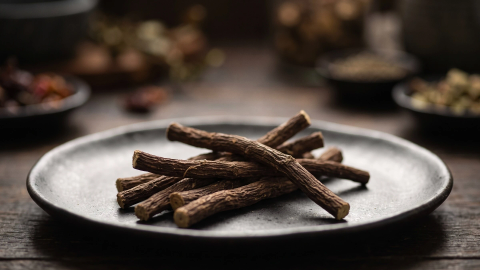
The secret, however, lies beneath the ground. Although the ‘claw-like’ fruits are the most interesting to look at, it is the root that is key to human health. The plant has deep, tuberous roots in which it stores water and nutrients to survive severe droughts. And it is precisely these tubers that are harvested, dried and ground.
Why are dietary supplements made from roots?
Devil’s claw root is literally packed with active compounds. The most important of these is a group of compounds known as iridoid glycosides (the best known of which is harpagide). It may sound like a chemistry lesson, but in practical terms for our bodies, it means one thing: powerful anti-inflammatory effects and pain relief.
Here are the main reasons why manufacturers love it and add it to their supplements:
A lifesaver for your joints: Devil’s claw can help relieve pain and inflammation in the joints. It is a popular natural alternative for people suffering from osteoarthritis, stiff joints or back pain.
Muscle recovery: Helps to relieve muscle tension and speeds up recovery after physical exertion.
Aids digestion: A lesser-known but important benefit is that the bitter compounds in the root stimulate digestion and help with stomach problems.

Where is it most commonly found?
If you were to walk into a chemist’s or a sports nutrition shop, you’d find devil’s claw in a few specific product categories:
Comprehensive joint nutrition: This is an absolute classic. Devil’s claw is almost never used on its own here. It is usually combined with substances such as glucosamine, chondroitin, MSM or collagen. Whilst collagen and glucosamine provide ‘structural’ nourishment for the joints, devil’s claw acts like a firefighter, helping to reduce inflammation and pain.
Individual herbal capsules and extracts: For people looking for a purely natural way to manage chronic musculoskeletal pain. Warming and cooling gels: It is very often used to make creams for external use. Athletes and older people rub them into strained muscles and sore knees. Devil’s claw gels often also contain menthol or eucalyptus for immediate relief.
Supplements for horses and dogs: Devil’s claw is also a huge hit in veterinary medicine. It is added to the feed of older dogs or racehorses to relieve joint pain.
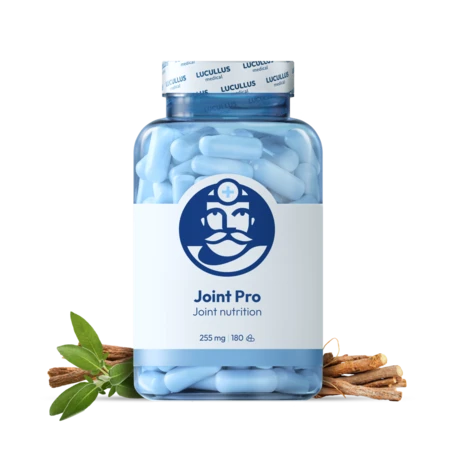
So, the next time your knees start to ache after a tough workout, a whole day sitting at a computer or a long hike, and you reach for a joint supplement, take a look at its ingredients. If you find devil’s claw listed, know that you’re taking in a piece of the healing African desert. And that’s precisely why we haven’t forgotten to include this ‘desert miracle’ in our Joint Pro Dr. LUCULLUS joint supplement. We’ve combined the anti-inflammatory power of devil’s claw with other building blocks for the musculoskeletal system. The result is a comprehensive shield that not only protects your joints but also actively ‘soothes’ pain. If you’d like to find out how this African superhero works in practice and get back to moving without restrictions, don’t hesitate to discover everything our product can do.