















Niacin was long regarded as a common component of the diet, until it was discovered that a deficiency of it causes skin, digestive and mental health problems known as pellagra. Dr Goldberger proved that the cause of this disease was not an infection, but a diet lacking in vitamin B3. He carried out an experiment on himself and his colleagues, who consumed only a poor diet and began to show symptoms of pellagra. However, when they added foods rich in niacin to their diet, the symptoms disappeared. In 1937, niacin was isolated from the liver, confirming its importance and nutritional value.

We now know much more: niacin (also known as vitamin B3) helps convert the food we eat into the energy we need. Niacin is important for the development and function of cells in our body. It maintains a healthy nervous system, supports metabolism and regulates digestion. It is necessary for the conversion of carbohydrates into fat and for the processing of alcohol. Let’s look at its benefits in more detail. It supports a healthy heart and helps regulate cholesterol levels. Studies show that it reduces ‘bad’ LDL cholesterol by 5–20 per cent, lowers triglycerides by 20–50 per cent, and increases ‘good’ HDL cholesterol by 15–35 per cent. It may help reduce inflammation, which contributes to atherosclerosis, or the hardening of the arteries. Research suggests that niacin may influence lifespan by improving cellular processes and reducing oxidative stress.
It enhances brain function. Your brain needs niacin (as part of the coenzymes NAD and NADP) to produce energy and function properly. In fact, a niacin deficiency is associated with brain fog, depression and even psychiatric symptoms. Some types of schizophrenia can also be treated with niacin, as it helps to repair damage to brain cells; it may also help with Alzheimer’s disease. It also aids the body’s detoxification and reduces fatigue. Throughout our lives, various harmful substances enter the body from food, medicines and alcohol, as well as from the air, sunlight and X-rays. Even in small quantities, these can accumulate in fatty tissues and, over time, cause fatigue, pain or depression. Niacin helps to eliminate these toxins from the body. When combined with an adequate intake of fluids, it helps to remove harmful substances that accumulate in fatty tissue as a result of diet, medication, alcohol and radiation.
It helps regenerate skin cells, improves skin hydration and protects cells from sun damage, thereby promoting healthy skin. Recent research suggests that it may reduce the incidence of certain types of skin cancer. Niacinamide is often used in cosmetics to smooth the skin and reduce acne. Some studies suggest that niacin may help alleviate the symptoms of osteoarthritis and support and improve joint mobility. It may help in the treatment of diabetes. Type 1 diabetes is an autoimmune condition in which your body attacks and destroys the insulin-producing cells in the pancreas. Research suggests that niacin may help protect these cells and even reduce the risk of diabetes. Niacin promotes blood flow to the scalp, which may improve hair growth and quality. A vitamin B3 deficiency can manifest as fatigue, skin rashes (particularly when exposed to sunlight), digestive problems, loss of appetite, mental health issues, insomnia, migraines or depressive symptoms.
Smokers and people with kidney disease, in particular, have an increased need for niacin. The body also requires larger amounts during fevers, infections, pregnancy, whilst breastfeeding, during periods of physical and mental stress, with excessive consumption of sweets and alcohol, and in older age. What is the difference between niacin and niacinamide? Although niacin offers numerous health benefits, it can cause what is known as a ‘niacin flush’ (temporary reddening, itching and tingling of the skin). This effect is a result of dilated blood vessels and increased detoxification of the body, but some people wish to avoid it. An alternative is niacinamide, a non-acidic form of vitamin B3, which does not have these side effects.
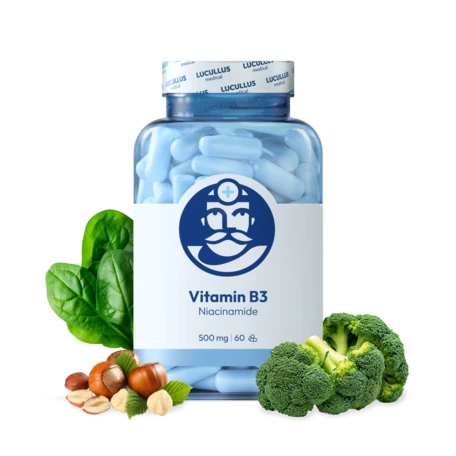
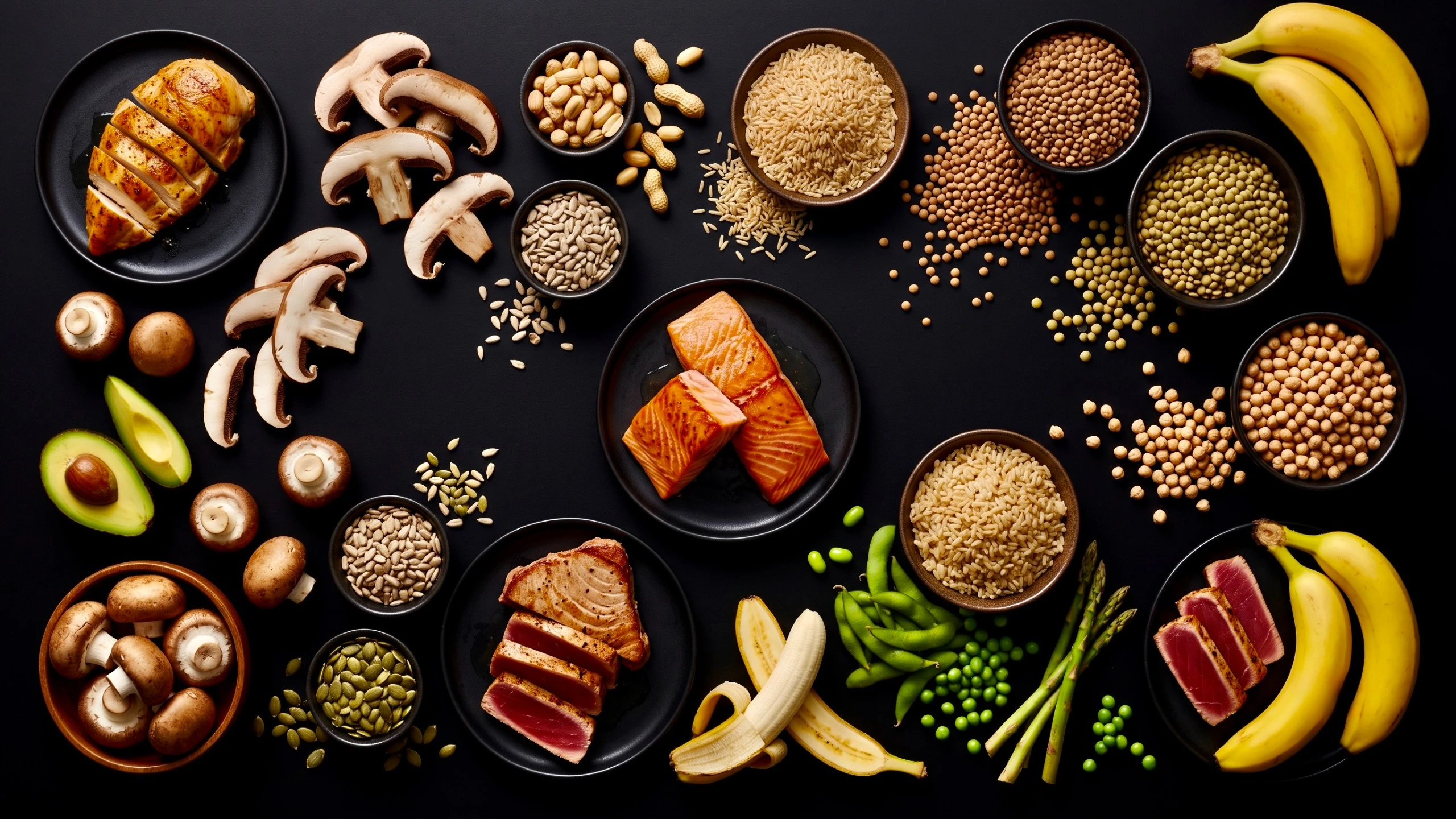
The Dr. Lucullus dietary supplement, B3 – Niacinamide, is a suitable choice for people who wish to enjoy the benefits of vitamin B3 without experiencing any unpleasant skin reactions. Niacin is a valuable gift of nature (found, for example, in pulses, broccoli, nuts and spinach) which supports health in a number of ways, including heart and brain health, detoxification and regeneration. An indispensable tool in the fight against toxins, which reduces both fatigue and exhaustion. And at the same time, a powerful tool that can protect you from modern diseases. As Hippocrates said: ‘Let food be thy medicine and medicine be thy food.’ And niacin is the perfect illustration of this.