Every autumn and winter, the same scenario plays out. One sneeze in the office, a few days at nursery, and the whole family finds itself caught up in a cycle of tissues, sore throats and exhaustion.

However, the immune system isn’t a switch that you can simply flick on when you’re already in bed. It acts as a defensive barrier. To keep you on your feet, it needs consistent care throughout the season and a clear plan for when you start to feel ‘a bit under the weather’.
Instead of chaos on the shelf with your supplements, all you need to do is understand the exact role of the four key players, how to combine them correctly, and the precise dosage – both as a preventative measure and during the first 24 hours.
1. Zinc Citrate
Zinc is an essential mineral that directly regulates the production and activity of white blood cells (T-lymphocytes). The citrate form is one of the most easily absorbed organic forms and is gentle on the digestive system.
Prevention during the season: 10 to 15 mg of pure zinc a day. Keeps immune cells on alert.
Acute crisis (first 24 hours): Temporarily increase the dose to 25–40 mg per day for a maximum of 3–5 days. Furthermore, local contact between zinc and the mucous membrane helps to block viruses from attaching to cells in the throat.
How to take it and what to combine it with: Always after a meal, never on an empty stomach (it could irritate the stomach). It works very well when taken alongside vitamin C. Be careful when combining it with calcium, iron or wholemeal bran – these reduce its absorption, so leave at least a 2-hour gap between taking them.
2. Vitamin D3
Vitamin D3 behaves more like a hormone than a conventional vitamin in the body. It trains the innate immune system to respond promptly, whilst at the same time preventing an excessive inflammatory response that leads to a severe course of the disease. From autumn to spring, we cannot produce it from sunlight in our part of the world, so its levels drop significantly without supplementation.
Prevention during the season: 1,000 to 2,000 IU per day to maintain a stable protective level in the blood.
Acute crisis (first 24 hours): At the first signs of symptoms, you can safely increase the dose to up to 4,000 IU a day for the first 2 to 3 days, then return to the preventative dose.
How to take it and what to combine it with: This is a fat-soluble vitamin. Always take it with a meal containing fat (eggs, yoghurt, avocado or a dish with a little oil).
3. Vitamin C
When a viral infection sets in, vitamin C levels in immune cells can drop by up to half within a few hours. Vitamin C protects them from oxidative stress and supports the integrity of the mucous membranes. Natural rosehip extract contains bioflavonoids, which prevent the rapid breakdown of vitamin C in the body and significantly improve its bioavailability.
Prevention during the season: 1 tablet (1,000 mg) every other day, or half a tablet a day. This covers normal losses without putting unnecessary strain on the kidneys.
Acute crisis (first 24 hours): Take a full dose of 1,000 mg first thing in the morning after a meal. If you experience a marked onset of weakness, you may take a second 1,000 mg dose in the afternoon on the first day.
How to take it and what to combine it with: Take it after a meal with a large glass of water. It pairs perfectly with zinc – you can safely take them together with the same meal.
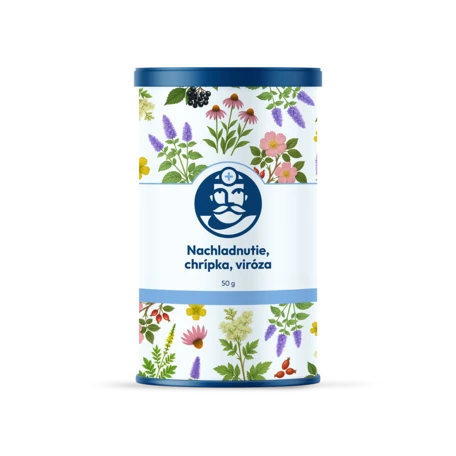
4. Organic tea (Colds, flu, viral infections)
Viruses penetrate most easily through dry, ischaemic mucous membranes in the respiratory tract. A mixture of herbs such as meadowsweet, black elder, echinacea and agrimony improves blood flow to the respiratory tract and promotes sweating.
Prevention during the season: 1 cup a day as a pleasant ritual that keeps your throat moist and warm.
Acute crisis (first 24 hours): Make a pot of tea (1 to 1.5 litres) and drink it warm in small sips throughout the day. A sufficient intake of fluids is essential to enable the lymphatic system to flush out waste products produced whilst fighting the infection.
How to take it and what to combine it with: Drink it between meals. If you add honey or lemon, wait until the temperature has dropped below 45 °C so as not to destroy the beneficial substances.

How to put this into practice
So that you don’t have to think about it every day, just remember this simple daily routine:
In the morning at breakfast (which contains fat): Take Vitamin D3 + Zinc Citrate + Vitamin C. Everything is absorbed at once, without irritating an empty stomach and without any adverse interactions between the supplements.
During the day, between meals: Sip warm organic herbal tea throughout the day to help keep your mucous membranes hydrated.
At the first signs of a viral infection: Double your zinc intake, increase your vitamin D3 intake, take an additional dose of vitamin C in the afternoon, and take it easy.
Dietary supplements can significantly help to reduce both the duration and severity of a viral infection, but they do not work miracles overnight. If you are struck by a fever above 38.5 °C lasting longer than three days, shortness of breath or a sore throat with pus, you should see a doctor. And above all – no capsule can replace at least 8 hours of uninterrupted sleep when your body is telling you it’s had enough.