Why do you wake up feeling tired even after 8 hours in bed?
You spend the whole day caught up in a never-ending cycle – work, deadlines, meetings – and in the evening, exhausted, you head for bed, but instead of relaxing, an evening whirlwind of thoughts starts spinning in your head. What do I need to finish tomorrow? How many days do I have left before that presentation? Did I reply to that important email? Why did everyone look so strange at the meeting today?

Even if you do eventually fall asleep, the alarm will go off in the morning and you’ll feel as though you’ve hardly slept at all. After all, staying awake or lying in bed for 8 hours doesn’t automatically mean that your body has actually had a rest.
The key to the answer lies in the differences between the various stages of sleep and in how they are affected by long-term stress.
When does one’s energy replenish?
Sleep is not just monotonous silence. During the night, we go through recurring cycles:
REM phase: During this phase, we dream; the brain organises information and processes emotions. It is particularly important for psychological well-being and mental functioning.
Deep NREM stages: This is where the main physical recovery takes place. The heart rate slows down, muscle tone relaxes and the body recharges its energy for the next day.
When we are under prolonged stress and experiencing symptoms of burnout, the nervous system remains in an alert, tense state. Sleep then tends to be shallow, often interrupted, and the proportion of deep sleep phases decreases. This is why we feel tired in the morning, as the body has not had sufficient opportunity for restful recovery.
A step-by-step evening routine
Dietary supplements and herbs are not miracle cures that will solve stress overnight. However, when combined with sensible sleep hygiene – such as limiting screen time or ensuring your bedroom is well-ventilated – they can provide a useful helping hand and support for both body and mind.
1. The ritual of slowing down: A cup of herbal tea
An hour before bedtime is the ideal time to put work aside and signal to your senses that it’s time to wind down.
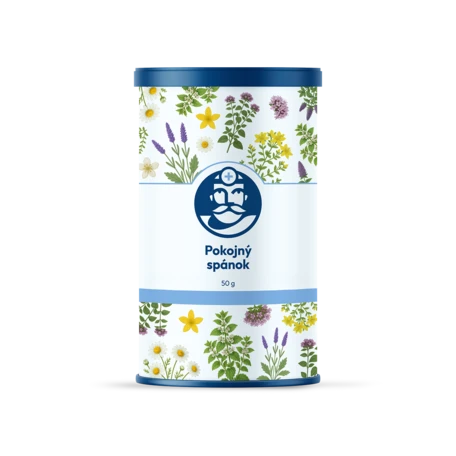
Organic ‘Peaceful Sleep’ tea from the Tatra range by Dr Lucullus
A cup of warm herbal tea made from high-quality ingredients helps to create a sense of evening tranquillity. The very ritual of sipping tea – without a mobile phone, messages or any other distractions – helps you transition from the hustle and bustle of the day to a more peaceful state.
2. Support for the nervous system:
When under increased stress, the body uses up essential minerals more quickly. Magnesium is known to help the nervous system function properly and to reduce fatigue.
Dr Lucullus Magnesium Bisglycinate
The chelate form (bisglycinate) is one of the forms with very good bioavailability, which is generally gentle on the digestive system. As the magnesium is bound to the amino acid glycine, it is particularly suitable for evening use as a dietary supplement designed to support the normal functioning of the muscles and the nervous system.

3. Targeted nutrition before bedtime: Deep sleep
If it takes a long time to fall asleep in the evening and your mind is still racing, a carefully selected combination of ingredients that help prepare the body for a night’s rest may be beneficial.
Deep Sleep by Dr Lucullus
This food supplement combines traditional plant extracts and melatonin. Melatonin helps to reduce the time taken to fall asleep (with the beneficial effect achieved by taking 1 mg before bedtime). It is not a sleeping pill, but a gentle nutritional supplement that helps the body attune itself to its natural sleep rhythm.
If you want to focus on promoting inner well-being and relaxation, you need to start by adjusting your daily routine, cutting down on caffeine later in the day, and listening to your body and its needs. Dr Lucullus dietary supplements will serve you well as a supportive aid in achieving your goals.
In the next instalment, we’ll look at how the afternoon slump and muscle twitches are linked to cellular energy and hydration.