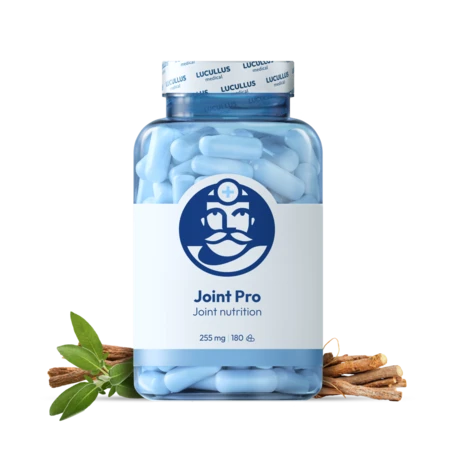
















When we hear the words ‘liquorice’, many of us immediately think of the distinctive taste of black liquorice from our childhood. However, this unassuming plant, scientifically known as Glycyrrhiza glabra, holds much more than just nostalgic memories of sweets. For thousands of years, it has been a cornerstone of traditional Chinese, Indian and Greek medicine. Today, it is making a major comeback – in the form of highly effective dietary supplements.
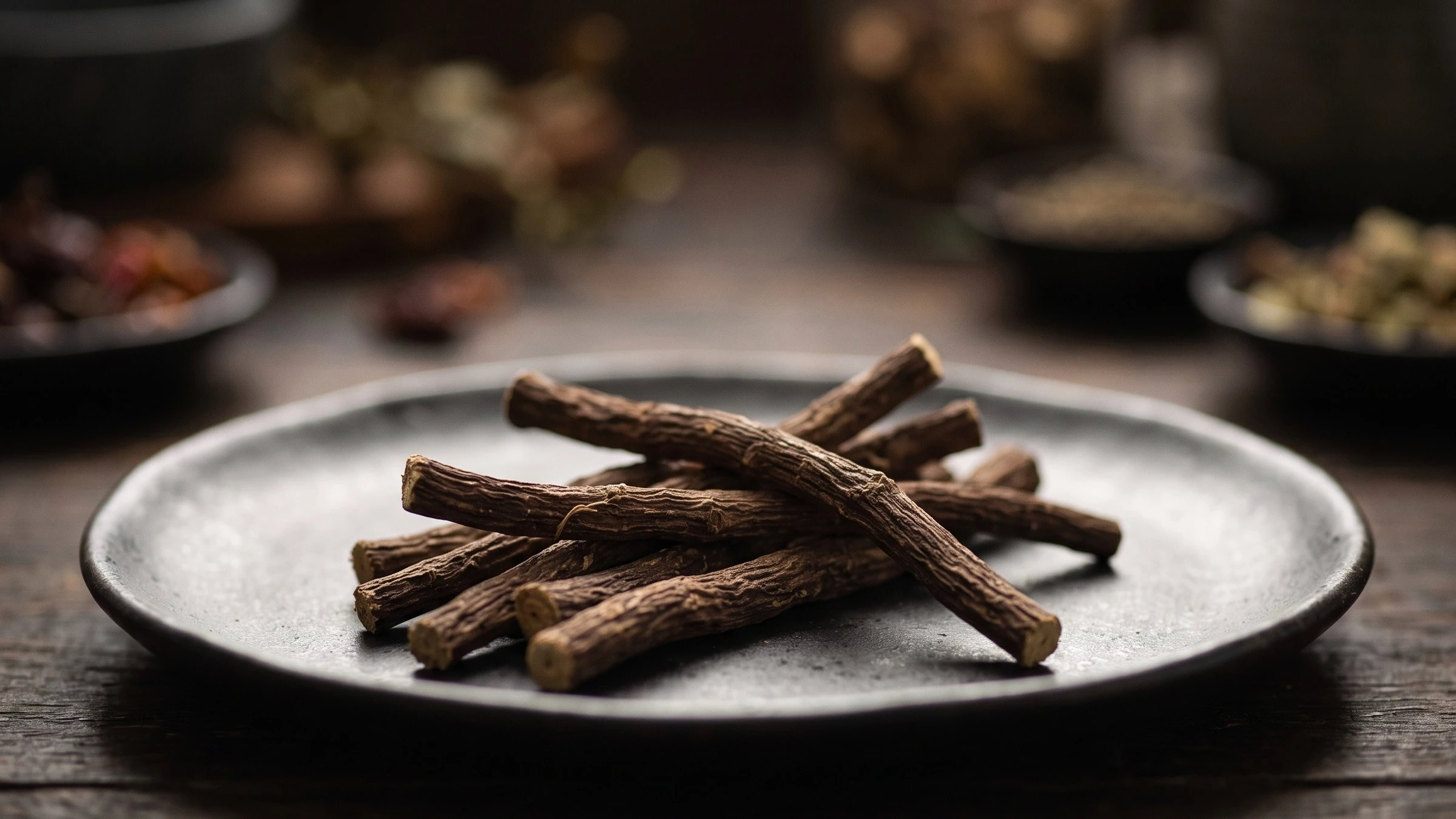
Why should you not overlook this sweet root, and in what situations can it help you?
What secret does it hold?
The main active ingredient in liquorice is glycyrrhizin. This compound is fascinating for two reasons: firstly, it is approximately 50 times sweeter than ordinary white sugar (hence the plant’s name), and secondly, it possesses powerful anti-inflammatory and antioxidant properties.
However, dietary supplements do not just use glycyrrhizin on its own, but the comprehensive spectrum of more than 300 different flavonoids and phytonutrients contained in the root.
Why look for it in dietary supplements?
Liquorice is used in supplements because of its wide range of beneficial effects on the human body. Here are the most significant ones:
Soothing for the digestive tract: This is probably the most common reason why people turn to liquorice. It helps to soothe the irritated lining of the stomach and intestines. It is particularly helpful for heartburn and acid reflux (GERD), and has even been shown to be effective in healing stomach ulcers and combating the Helicobacter pylori bacterium.
Respiratory support: If you are suffering from a persistent cough, asthma or bronchitis, liquorice acts as a natural expectorant. It helps to loosen phlegm and, thanks to its anti-inflammatory properties, soothes the throat lining.
Stress Relief (Adaptogen): Liquorice helps regulate levels of cortisol, the main stress hormone. It supports the adrenal glands when they are exhausted and helps the body cope better with chronic stress and fatigue.
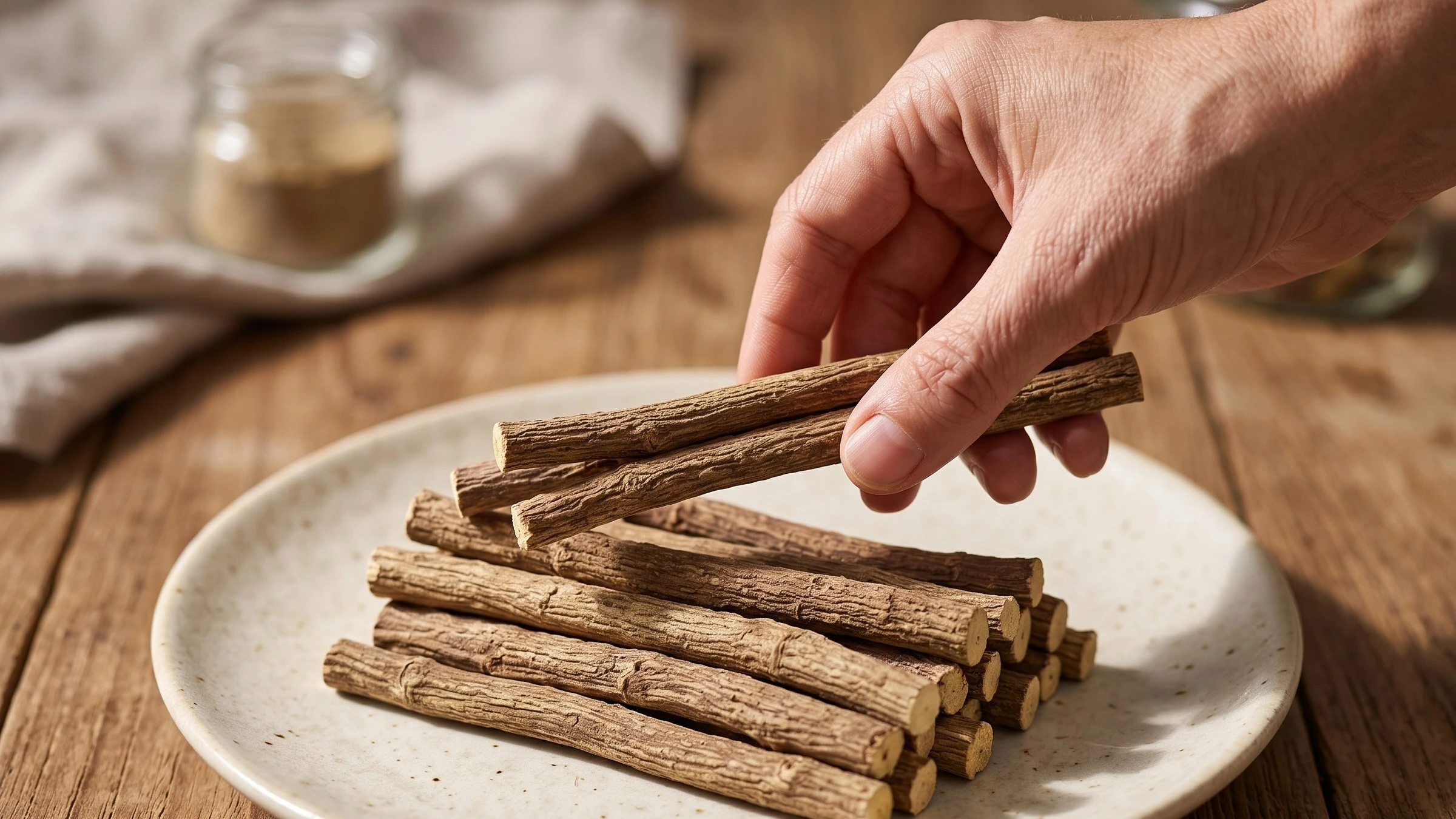
Women’s health and hormonal balance: Thanks to their phytoestrogen content, liquorice extracts are often added to supplements designed to alleviate the unpleasant symptoms of the menopause, such as hot flushes.
Although glycyrrhizin has incredible medicinal properties, it does have one drawback. When taken over a long period or in high doses, it can cause sodium retention and potassium loss, leading to a dangerous rise in blood pressure and oedema.
Liquorice reminds us that the most effective solutions for our health are often to be found in nature’s unassuming gifts. It has long since ceased to be merely an ingredient in sweets, but has become a valuable botanical ally that has found a firm place in modern home medicine cabinets. Whether you need to soothe an upset stomach, relieve an autumn cough, or are simply looking for natural support during stressful times, liquorice offers gentle yet remarkably powerful relief.