















It contains more antioxidants than blueberries, frost won’t damage it, and your immune system will love it. The black chokeberry isn’t one of the sweetest fruits, but given its health benefits, it could well be called the queen of Slovak gardens. At first glance, the black chokeberry may seem unremarkable, but it is in fact one of the healthiest berries you can find here. It originally comes from North America, where its properties were used as a remedy for colds or to make pemmican, a food with an extremely long shelf life that was prepared mainly for the long winter months. If you haven’t heard of it yet, it’s time to put that right!

How to recognise this superfood
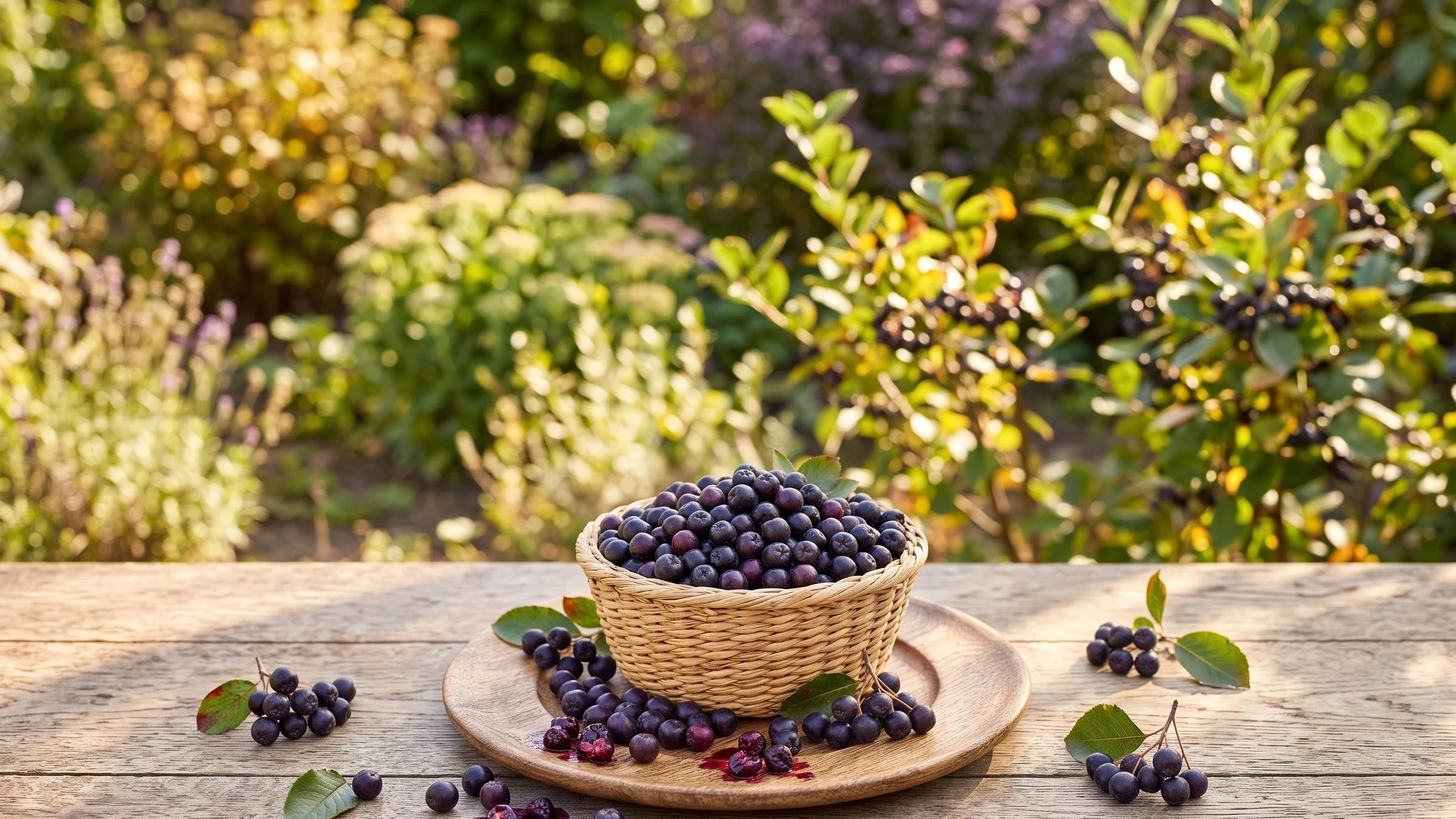
They are small, dark purple to black berries that grow on undemanding bushes. At first glance, you might mistake them for larger blueberries, but if you were to taste them straight from the bush, you’d probably be surprised. They’re actually quite tart. That is precisely why they are rarely eaten raw on their own; they are more often prepared for further processing.
Why is it great for your body?
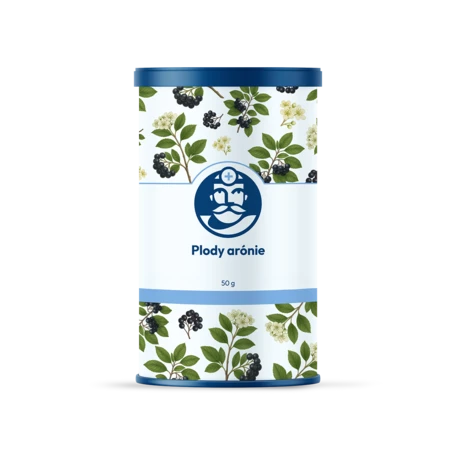
Dr LUCULLUS’s Aronia is literally a vitamin powerhouse and is classified as a ‘superfood’. It stands out in several ways you may not have realised:
An extremely high amount of antioxidants: It protects your cells from damage and helps the body fight inflammation. Aronia berries contain more antioxidants than blueberries or cranberries.
Boosts the immune system: It is rich in vitamin C, which is particularly beneficial in autumn and winter, when various viruses are most prevalent.
Good for the heart and blood vessels: It helps maintain healthy blood pressure and improves blood circulation.
It also contains other vitamins: you’ll find vitamins K, E and A in it, as well as beneficial minerals such as iron and potassium.
You may have heard that aronia is poisonous when eaten raw, but we can assure you that this myth has clearly arisen because of its strong, bitter taste. The raw berries of this superfood are completely safe and healthy to eat. But even though it is healthy, it is important to remember that too much of anything can be harmful. Aronia can affect blood pressure and may lower it. Due to its higher acidity, people prone to developing stomach ulcers should exercise caution.
How can you incorporate it into your diet?
As fresh aronia berries are quite tart, you’ll most often come across them in other forms so that you can enjoy them to the full.
Juices and syrups: 100 per cent aronia juice is brilliant – just have one small ‘shot’ a day to boost your immunity, or use it to make lemonade.
Jams and compotes: When cooked with sugar, it loses its bitterness and makes an excellent jam.
Dried for tea: The dried berries are often added to fruit teas, giving them a lovely colour and vitamins.
In smoothies: If you’re making a fruit smoothie at home, simply add a few berries (fresh, frozen or dried). A banana or other sweet fruit will completely mask its bitterness.
You can incorporate these berries into your daily routine as a sweet treat or ‘snack’. The dried berries still retain their intense, tangy flavour. They may remind you of cranberries or raisins, but they aren’t quite as naturally sweet.
So next time you see these dark berries in your granny’s garden, in a shop or at the market, be sure to give them a go. Incorporating aronia into your life is not at all difficult. Whether you add it to your morning porridge or make a warm tea with it, your body will get a good dose of vitamins. Experience the power of Dr. LUCULLUS aronia berries for yourself.