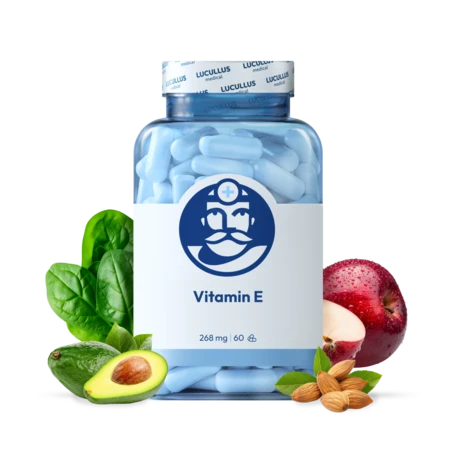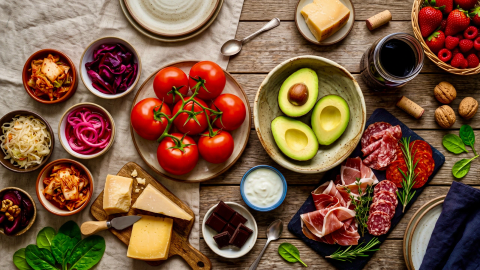
















Imagine that your body has its own personal bodyguard, who is constantly on the lookout, protecting your cells from damage, ageing and disease. This is precisely the role played by vitamin E. This powerful antioxidant, which is often overlooked in the shadow of the more popular vitamin C, is in fact absolutely key to overall vitality.

Let’s take a look together at why you shouldn’t avoid vitamin E in your diet, what its main benefits are, and what to watch out for.
Why is vitamin E so important?
Vitamin E is not just a single substance, but a whole group of eight compounds (tocopherols and tocotrienols). The most important characteristic of this vitamin is that it is fat-soluble. This means that it can be incorporated directly into cell membranes, where it acts as a protective shield.
What are its main benefits?
A powerful antioxidant: It neutralises free radicals in the body. Free radicals are unstable molecules that damage cells and contribute to premature ageing and the development of chronic diseases.
An elixir for skin and hair: It’s no wonder you’ll find it in many cosmetic creams. Vitamin E promotes skin hydration, helps heal scars, soothes sun damage and restores lost shine to the hair.
Heart protector: It helps to dilate the blood vessels and prevents blood platelets from clumping together, thereby reducing the risk of blood clots and protecting the cardiovascular system.
Supporting the immune system: It helps to maintain a strong immune system, ready to fight off infections, particularly in older adults.
Eye health: When taken in combination with other vitamins (e.g. vitamin C, zinc), it helps to slow down age-related macular degeneration, which can lead to loss of vision.

When should you take dietary supplements?
Most people who eat a varied and balanced diet get enough vitamin E from their food. However, there are situations in which supplementation is advisable:
Problems with fat absorption: People with conditions such as Crohn’s disease, cystic fibrosis or coeliac disease may have difficulty absorbing sufficient amounts of this vitamin.
Strict low-fat diets: If you have cut out almost all fats from your diet, you have automatically reduced your intake of vitamin E as well.
Increased oxidative stress: Smokers, people exposed to heavy smog or extreme physical stress may need greater antioxidant protection.
Beware of overdose
Whilst high doses of vitamin C are simply excreted in the urine, vitamin E is stored in fat deposits and the liver. Excessive use of supplements (more than 1,000 mg a day) can cause problems, particularly an increased risk of bleeding. If you are taking blood-thinning medication, always consult your doctor before taking vitamin E supplements.
To sum up, vitamin E is like a premium insurance policy for your body. It won’t buy you immortality, but it’s exactly that piece of the jigsaw that quietly works to ensure you don’t lose your spark, energy and sense of well-being. If you’re going through a crazy, stressful period, living on coffee, struggling to eat properly, or living in a city with poor air quality, it makes sense to invest in a high-quality supplement and give your body a little help. There’s no need to overthink vitamin E; simply slip it naturally into your daily routine and let it do its job.