












Products Lifestyle Stores B2B
Login
€0
Shopping cart
Buy 4 products and get 15% off!

Add 4 more products to your cart and get 15% off your entire purchase!

Store localization

Vitamin C - is it just a placebo?

Vitamin C is probably the best known and most widely used vitamin. Since childhood, our mothers have been giving us effervescent Celaskon in winter to make us resistant to colds and flu. And although recent research casts doubt on all this, i.e. there is no study that directly confirms that vitamin C protects against flu and colds, there are facts that cannot be disputed.
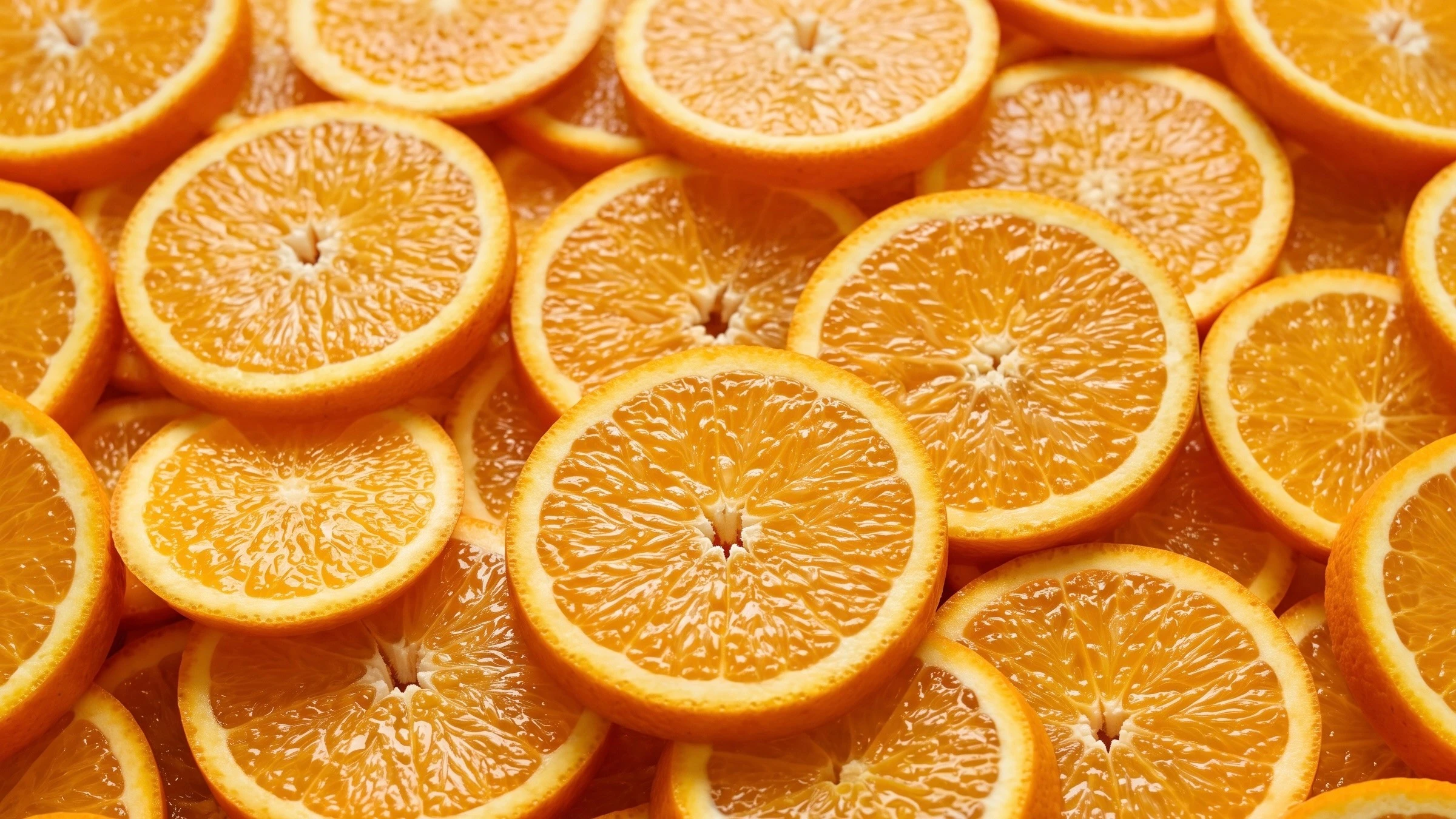
Sailors used to fall ill with scurvy on long voyages. Their gums bled, teeth fell out, and wounds were difficult to heal. As a result of a monotonous and poor diet (salted meat and hard bread), they lacked important substances, especially vitamin C. This is mainly found in fruit (currants, rose hips, kiwis, citrus fruits...) but also in some vegetables: cauliflower, peppers, cabbage, potatoes. And it is potatoes that have become the saviour of sailors. They last a long time, they contain C and there was no problem transporting them on ships. It's funny today, but it wasn't until 1934 that the first synthesized (manufactured) vitamin C began to be sold.

An interesting fact is that all animals and plants (there are only a few exceptions) can synthesize their own vitamin C (e.g. the common domestic goat up to 14g per day). Humans, however, need it and therefore need to obtain vitamin C from external sources. Today, with sufficient food, there can be no shortage of vitamin C for anyone. Nevertheless, he buys and takes honey in increased quantities. There are many good reasons for this. 

Vitamin C (ascorbic acid) is very important in regulating metabolism, promoting iron absorption, maintaining blood vessel strength, stimulating white blood cell production, bone, tooth and cartilage development, and promoting growth... No wonder our mothers prescribed it to us so often when we were young. Moreover, even if they overdid it, you cannot overdose on it, as any excess is excreted in the urine. One of the few side effects is the possibility of clogging your blood vessels if you take too much (because vitamin C strengthens their walls). In this case, reduce your daily dose from the recommended 90/75 mg to 40 mg. 

Vitamin C has been linked to miraculous stories about its effects, for example, in the treatment of cancer. There are more than 2,200 studies that deal with its effects. Although doctors consider its benefits in cancer treatment to be a myth, the truth is that vitamin C is actually used in oncology for certain forms of cancer. Perhaps the best-known story is that of American physicist and chemist Linus Pauling. In 1954, he won the Nobel Prize for his research on chemical bonding. In 1962, he received the Nobel Peace Prize (he protested against ground-based nuclear tests) and collaborated with Oppenheimer, although as a pacifist he rejected work on the atomic bomb and instead joined its opponents alongside Einstein. Why are we talking about him? Because he became a proponent of extreme doses of vitamin C. 

 In 1966, biochemist Irwin Stone published a concept of extreme doses of vitamin C (several grams every day) to prevent colds. Pauling subsequently began collaborating with British oncologist Ewan Cameron, and together they wrote many books (e.g., Cancer and Vitamin C) promoting the administration of large doses of vitamin C directly into the vein. He himself took 3 g daily, eventually increasing to 18 g! In 1973, he co-founded the Linus Pauling Institute, where he also researched the effects of vitamin C. Despite his enormous lifelong achievements and two Nobel Prizes, he was labelled a charlatan and a fraud for his research on vitamin C, and many references to his work have been deleted from the internet.  

Let's leave the conspiracy theories aside. The recommended daily dose of vitamin C is 90 g for men and 75 g for women. There are many reputable retailers where you can buy high-quality vitamin C in health-safe capsules.


Similar articles

Ashwagandha - cortisol tamer Health

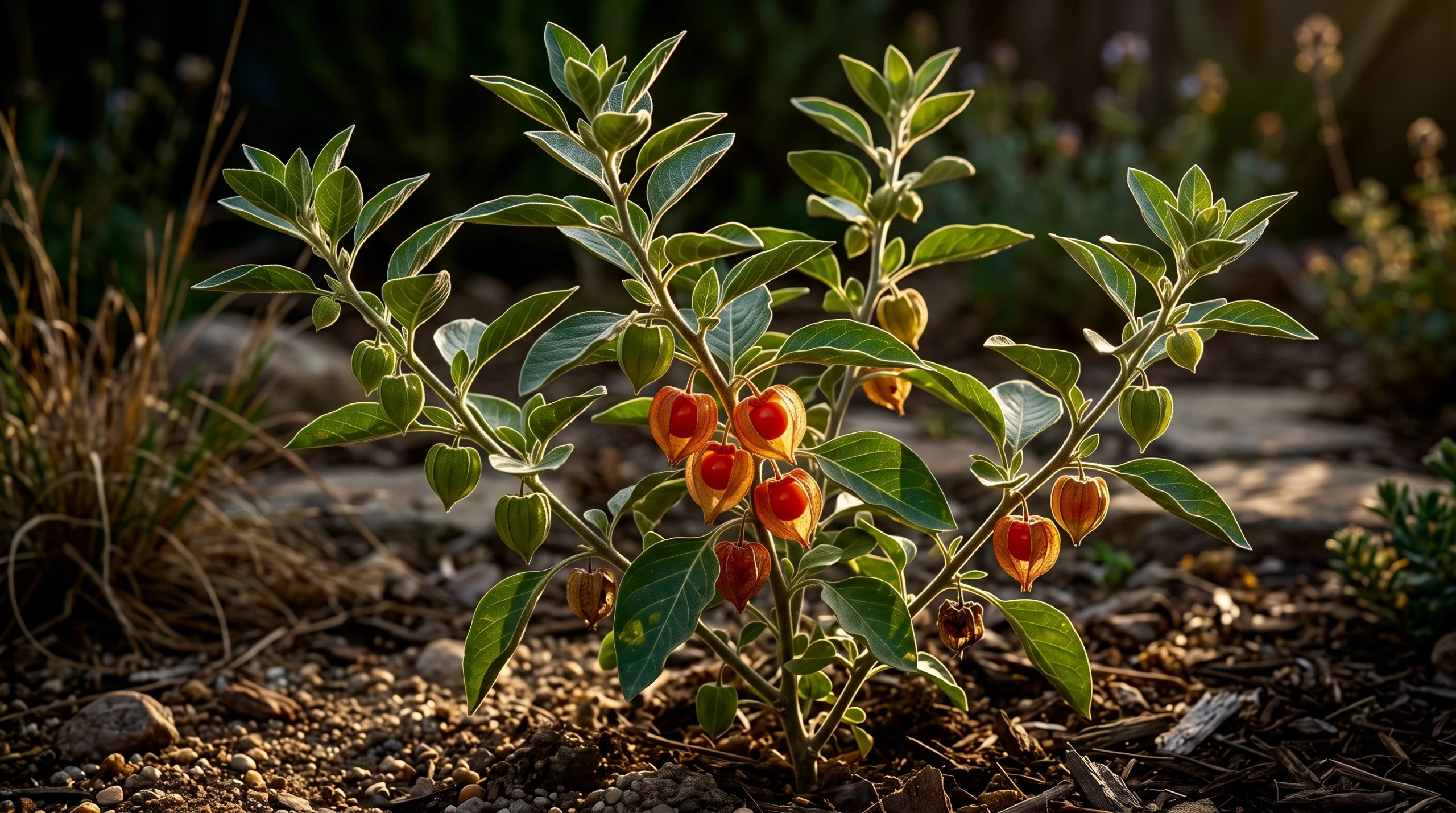
Ashwagandha - cortisol tamer

You certainly know the feeling when you feel threatened. A big dog ran at you from behind the fence, your boss plowed into you in a meeting and carried you under the ground, or your mortgage is due tomorrow and you just got fired from your job. In such cases, the body produces a steroid hormone - cortisol. This already protects us in dangerous situations and the body prepares the "fight or flight" position. The heart pumps, blood rushes to vital organs, pain levels suppress... You say to yourself - the most useful thing under the sun!

Discover the energy of the mountains in every sip Health

Discover the energy of the mountains in every sip

When we need to recharge our batteries and long for peace, it’s time to slow down. Imagine the silence of a mountain morning, when the mist rises above the valley, the sun touches the mountain slopes, and the air is fresh and scented with wild herbs. And although these herbs grow in the purest areas and in mineral-rich soil, they must also adapt to the harsh conditions of the mountains. As a result, they are rich in antioxidants, essential oils, flavonoids and phenolic compounds, which help protect cells from oxidative stress. 

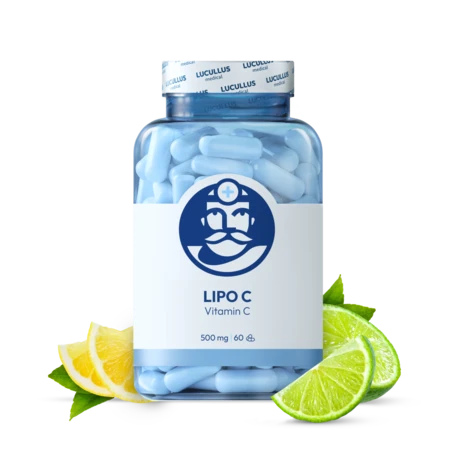
LIPO-C

LIPO-C Vitamin C

500 mg | 180
€35.90 €35.90

Účinky

Superior absorption and bioavailabilityStrengthens immune functionStrong antioxidant protectionSupports collagen synthesisIncreases energy levels
Greater nasturtium – a beauty with the power of antibiotics Health

Greater nasturtium – a beauty with the power of antibiotics

Monk’s cress is an older name for nasturtium (Tropaeolum majus), whose medicinal properties were already known in the 16th century. The appearance of the flowers and the name are a reference to the traditional robes of monks. It originally grew in the Andes, where indigenous tribes used it for healing, to boost strength and to aid recovery. Later, people from across the region would visit herbalists to seek out its medicinal heritage: decoctions, ointments and teas, as they understood the secrets of nature better than anyone else. In our grandmother’s herbarium, we found a description of the capuchin flower: a flowering panacea that does no harm, only helps. Today, we too can benefit from this traditional wisdom, and its benefits are scientifically proven. If you pluck a leaf from the nasturtium, the plant immediately activates a rapid regeneration mechanism and begins to ‘heal its wounds’ and continue growing. Thanks to its wide range of bioactive compounds and nutritional benefits, it is a valuable component of natural medicine and disease prevention. Modern science has discovered a wealth of beneficial substances in its leaves, flowers and seeds. 

Ashwagandha - cortisol tamer

Ashwagandha - cortisol tamer

You certainly know the feeling when you feel threatened. A big dog ran at you from behind the fence, your boss plowed into you in a meeting and carried you under the ground, or your mortgage is due tomorrow and you just got fired from your job. In such cases, the body produces a steroid hormone - cortisol. This already protects us in dangerous situations and the body prepares the "fight or flight" position. The heart pumps, blood rushes to vital organs, pain levels suppress... You say to yourself - the most useful thing under the sun!

Discover the energy of the mountains in every sip

Discover the energy of the mountains in every sip

When we need to recharge our batteries and long for peace, it’s time to slow down. Imagine the silence of a mountain morning, when the mist rises above the valley, the sun touches the mountain slopes, and the air is fresh and scented with wild herbs. And although these herbs grow in the purest areas and in mineral-rich soil, they must also adapt to the harsh conditions of the mountains. As a result, they are rich in antioxidants, essential oils, flavonoids and phenolic compounds, which help protect cells from oxidative stress. 

Discover the energy of the mountains in every sip

Discover the energy of the mountains in every sip

When we need to recharge our batteries and long for peace, it’s time to slow down. Imagine the silence of a mountain morning, when the mist rises above the valley, the sun touches the mountain slopes, and the air is fresh and scented with wild herbs. And although these herbs grow in the purest areas and in mineral-rich soil, they must also adapt to the harsh conditions of the mountains. As a result, they are rich in antioxidants, essential oils, flavonoids and phenolic compounds, which help protect cells from oxidative stress. 

Greater nasturtium – a beauty with the power of antibiotics

Greater nasturtium – a beauty with the power of antibiotics

Monk’s cress is an older name for nasturtium (Tropaeolum majus), whose medicinal properties were already known in the 16th century. The appearance of the flowers and the name are a reference to the traditional robes of monks. It originally grew in the Andes, where indigenous tribes used it for healing, to boost strength and to aid recovery. Later, people from across the region would visit herbalists to seek out its medicinal heritage: decoctions, ointments and teas, as they understood the secrets of nature better than anyone else. In our grandmother’s herbarium, we found a description of the capuchin flower: a flowering panacea that does no harm, only helps. Today, we too can benefit from this traditional wisdom, and its benefits are scientifically proven. If you pluck a leaf from the nasturtium, the plant immediately activates a rapid regeneration mechanism and begins to ‘heal its wounds’ and continue growing. Thanks to its wide range of bioactive compounds and nutritional benefits, it is a valuable component of natural medicine and disease prevention. Modern science has discovered a wealth of beneficial substances in its leaves, flowers and seeds. 

Greater nasturtium – a beauty with the power of antibiotics

Greater nasturtium – a beauty with the power of antibiotics

Monk’s cress is an older name for nasturtium (Tropaeolum majus), whose medicinal properties were already known in the 16th century. The appearance of the flowers and the name are a reference to the traditional robes of monks. It originally grew in the Andes, where indigenous tribes used it for healing, to boost strength and to aid recovery. Later, people from across the region would visit herbalists to seek out its medicinal heritage: decoctions, ointments and teas, as they understood the secrets of nature better than anyone else. In our grandmother’s herbarium, we found a description of the capuchin flower: a flowering panacea that does no harm, only helps. Today, we too can benefit from this traditional wisdom, and its benefits are scientifically proven. If you pluck a leaf from the nasturtium, the plant immediately activates a rapid regeneration mechanism and begins to ‘heal its wounds’ and continue growing. Thanks to its wide range of bioactive compounds and nutritional benefits, it is a valuable component of natural medicine and disease prevention. Modern science has discovered a wealth of beneficial substances in its leaves, flowers and seeds. 

Soothing Magnesium (Magnesium Bisglycinate)

Soothing Magnesium (Magnesium Bisglycinate)

Magnesium is an important mineral for the proper functioning of the body. The name magnesium comes from the Greek city of Magnesia, where this element was originally discovered in 1755. It is the 8th most abundant element on earth, making up approximately 2% of the earth's crust. It has a naturally sour taste, which is also evident in mineral waters. It is found in every cell of green plants (magnesium ions are present) and also in every cell of the human body. Our body needs magnesium for more than 300 biochemical processes,such as energy production and nucleic acid synthesis, maintaining proper heart rhythm and blood pressure. It would be difficult to find a process in the body that magnesium does not influence.

Zinc Forte (Zinc Citrate) ...  simply irreplaceable

Zinc Forte (Zinc Citrate) ... simply irreplaceable

‘The flower of life’ and ‘the source of intelligence’ – these are the names given to zinc, and this is because it is vital for the body to function optimally. Zinc is (after iron) the second most important trace element, and it performs irreplaceable biological functions in the human body. It plays a role in hundreds of enzymatic reactions, supports the immune system, and promotes the health of the skin, hair and bones, as well as helping to maintain hormonal balance. The citrate form of zinc is one of the most easily absorbed forms of this mineral and offers a host of health benefits. Is zinc really essential? Zinc is found in every cell in our bodies and performs a number of important functions, such as:

Zinc Forte (Zinc Citrate) ...  simply irreplaceable

Zinc Forte (Zinc Citrate) ... simply irreplaceable

‘The flower of life’ and ‘the source of intelligence’ – these are the names given to zinc, and this is because it is vital for the body to function optimally. Zinc is (after iron) the second most important trace element, and it performs irreplaceable biological functions in the human body. It plays a role in hundreds of enzymatic reactions, supports the immune system, and promotes the health of the skin, hair and bones, as well as helping to maintain hormonal balance. The citrate form of zinc is one of the most easily absorbed forms of this mineral and offers a host of health benefits. Is zinc really essential? Zinc is found in every cell in our bodies and performs a number of important functions, such as:

Oh, that memory! How to support it with dietary supplements

Oh, that memory! How to support it with dietary supplements

In today’s fast-paced world, our memory and concentration are really put to the test. We often think that the occasional lapse in memory is simply a natural part of ageing, stress or overwork. The truth, however, is that our brain is an organ that consumes a huge amount of energy and is extremely sensitive to the nutrients we provide it with. It functions as an extremely complex system, and if it lacks essential building blocks and high-quality nutrients, its performance begins to decline and we find ourselves unable to remember where we’ve put our keys. 

Oh, that memory! How to support it with dietary supplements

Oh, that memory! How to support it with dietary supplements

In today’s fast-paced world, our memory and concentration are really put to the test. We often think that the occasional lapse in memory is simply a natural part of ageing, stress or overwork. The truth, however, is that our brain is an organ that consumes a huge amount of energy and is extremely sensitive to the nutrients we provide it with. It functions as an extremely complex system, and if it lacks essential building blocks and high-quality nutrients, its performance begins to decline and we find ourselves unable to remember where we’ve put our keys. 

Are you struggling with brain fog? How to regain your focus and reset your mind

Are you struggling with brain fog? How to regain your focus and reset your mind

Do you know that feeling when you’re looking at a book or a screen and it feels as though your brain is only running at 10 per cent? You can’t concentrate, you forget details and you feel constantly mentally exhausted. This condition is often referred to as ‘brain fog’.

Vitamin A... not just for your eyesight

Vitamin A... not just for your eyesight

It acts in your body much like a ‘superhero’, fighting free radicals, improving your eyesight, boosting your immune system and looking after your skin as if it were a specialist from a prestigious beauty salon. It’s called beta-carotene, a natural wonder found in smoothies and salads alike. Beta-carotene is a pigment that gives vegetables such as carrots, pumpkins and sweet potatoes their characteristic orange (but also yellow or red) colour. It is the word ‘carota’ (the Latin name for carrot) that formed the basis of its name. And in fact, carrots are one of the vegetables with the highest beta-carotene content. 

Vitamin A... not just for your eyesight

Vitamin A... not just for your eyesight

It acts in your body much like a ‘superhero’, fighting free radicals, improving your eyesight, boosting your immune system and looking after your skin as if it were a specialist from a prestigious beauty salon. It’s called beta-carotene, a natural wonder found in smoothies and salads alike. Beta-carotene is a pigment that gives vegetables such as carrots, pumpkins and sweet potatoes their characteristic orange (but also yellow or red) colour. It is the word ‘carota’ (the Latin name for carrot) that formed the basis of its name. And in fact, carrots are one of the vegetables with the highest beta-carotene content. 

From alchemilla to calendula: How herbs can restore your feminine vitality and well-being

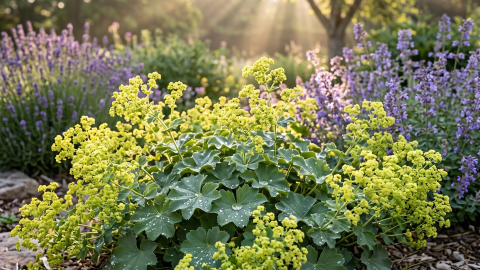
From alchemilla to calendula: How herbs can restore your feminine vitality and well-being

There are so many jokes, books, serious literature and scientific studies on the subject of the female cycle that it is almost impossible to come up with anything new. And yet. Although this topic directly affects half the world’s population (and indirectly the other half as well), there is no foolproof solution that would miraculously resolve the problems associated with the female cycle. And although there are companies that claim to have invented a product ‘for those days’, every woman knows that something else helps her. Sometimes it’s chocolate, sometimes a tablet, but most often it’s simply some peace and quiet...

From alchemilla to calendula: How herbs can restore your feminine vitality and well-being

From alchemilla to calendula: How herbs can restore your feminine vitality and well-being

There are so many jokes, books, serious literature and scientific studies on the subject of the female cycle that it is almost impossible to come up with anything new. And yet. Although this topic directly affects half the world’s population (and indirectly the other half as well), there is no foolproof solution that would miraculously resolve the problems associated with the female cycle. And although there are companies that claim to have invented a product ‘for those days’, every woman knows that something else helps her. Sometimes it’s chocolate, sometimes a tablet, but most often it’s simply some peace and quiet...

Load more articles
Vitamin C + rosehips + bioflavonoids
Sale

Vitamin C + rosehips + bioflavonoids

800 mg | 60
€6.64 €9.49
-30%

Účinky

Strengthens the immune systemProvides strong antioxidant supportImproves circulation and heart healthEnhances absorption and synergistic effectSupports skin health and collagen production
Tribulus terrestris
Sale

Tribulus terrestris

450 mg | 60
€6.85 €9.79
-30%

Účinky

Supports hormonal balance and vitalityEnhances libido and sexual healthImproves athletic performance and muscle strengthFights oxidative stress and inflammationSupports kidney and cardiovascular health
Reishi

Reishi Ganoderma lucidum

500 mg | 180
€11.90 €11.90

Účinky

Robust immune defenseAdaptogenic harmonyRelief from inflammation and oxidative stressCardiovascular healthOptimization of liver function
Ashwagandha

Ashwagandha KSM-66

500 mg | 180
€44.90 €44.90

Účinky

Reduction of stress and improvement of moodImproved cognitive functionEnergy and enduranceSupport for the immune systemHormonal balance
Newsletter

Take care of your health today

We will send you the best offers with the most advantageous prices and discounts, current news for your health.

By submitting the form, I agree to the processing of my Personal data