Just a few years ago, a visit to a chemist’s or a health food online shop looked much the same for most of us: an effervescent multivitamin and the classic ‘vitamin C’. By 2026, however, our approach to our own bodies had changed radically.

Gone are the days of impulse buying. Today’s consumers are looking for scientifically proven bioavailability, support for brain vitality and longevity. Which ingredients and trends have gained the most trust this year?
1. The magnesium revolution: Forget about cheap oxide
Magnesium is one of the best-selling minerals, but the choice of form has changed significantly. Instead of oxides, which are difficult to absorb, chelated forms have become the norm:
Magnesium bisglycinate tops the sales charts as part of an evening routine designed to relax the muscles, reduce stress and promote deep sleep. Malate and threonate are the main ingredients in morning blends aimed at boosting cellular energy and mental focus.
2. Creatine for everyone: Not just for fitness enthusiasts
The biggest surprise hit of recent years. Creatine monohydrate has moved beyond the gym and become a hit amongst women and older people. The reason? Research confirming its direct impact on memory, mental alertness and the protection of muscle mass against natural ageing.
3. Fibre and the microbiome: The gut as a second control centre
Digestive health has seen a huge boom. Fibre (acacia, inulin, psyllium) and targeted prebiotics are regarded as the foundation of daily vitality. The so-called gut-brain axis has come to the fore – supporting the intestinal barrier is proving to be the key to a stable mood, a resilient immune system and balanced blood sugar levels.
4. Collagen for joints and mobility
Interest in hydrolysed collagen shows no sign of waning, but the focus has shifted. Whilst its benefits for the skin and nails remain a welcome bonus, by 2026 collagen is being marketed primarily as a preventative measure against wear and tear on joints and tendons. It is increasingly found in combination with vitamin C and hyaluronic acid to maximise its effectiveness.
5. Adaptogens and medicinal mushrooms to combat stress
Chronic stress and digital fatigue have led to a rise in the popularity of functional natural substances:
Ashwagandha: The extract (particularly KSM-66) is excellent for regulating cortisol levels and promoting evening relaxation.Lion’s Mane: A popular morning choice for students and workers seeking focus without the jitters caused by excessive caffeine.
6. A tried-and-tested classic: Vitamin D3 + K2 and pure Omega-3
These two pillars remain the core features:
D3 + K2 (MK-7): A key synergy for immunity and directing calcium straight to the bones rather than the blood vessels.Omega-3 (EPA/DHA): Customers carefully select products with purity certifications (free from heavy metals) and high concentrations of active fatty acids.
How will we shop in 2026?
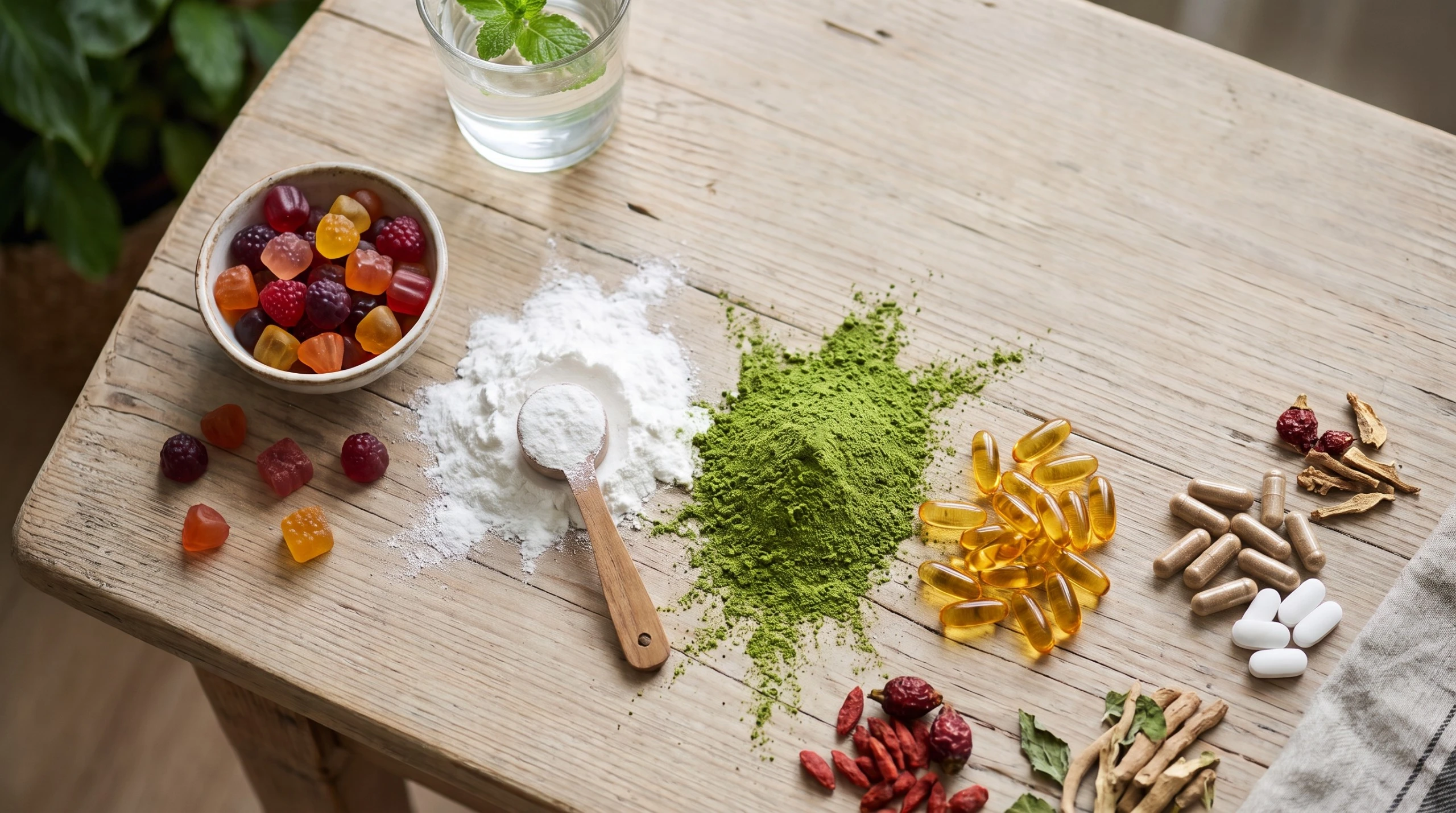
Clean Label: Minimal use of binders, anti-caking agents and artificial sweeteners.High-quality formulations: Liposomal and chelated products are replacing cheap substitutes. Targeted action rather than quantity: Fewer products with a specific effect deliver better results than a shelf full of random tablets.
The year 2026 clearly shows that the era of buying vitamins at random from brightly coloured boxes is well and truly over. Today’s approach to personal care is not about filling an entire bathroom shelf with dozens of jars, but about a well-thought-out strategy.
A varied diet, good-quality sleep and exercise remain the foundation of success, as dietary supplements should be exactly what their name suggests: a targeted supplement. If you rely on scientifically proven chelated forms of minerals, pure omega-3 fatty acids and support for the digestive tract, you are investing in what matters most: long-term energy, mental alertness and vitality for years to come.