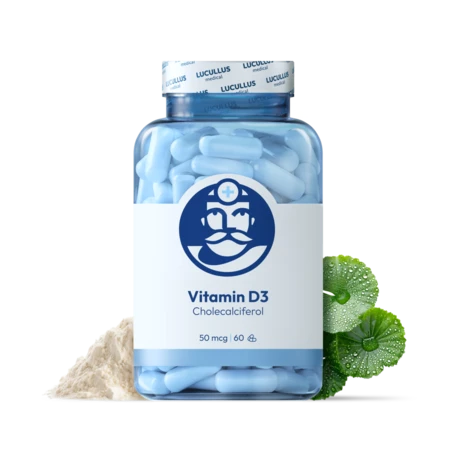
















When we hear the term ‘vitamin D’, most of us think of healthy bones, a stronger immune system or getting a tan in the summer. For the female body, however, this unassuming nutrient means much more. Doctors are now confirming a surprising fact: vitamin D behaves more like a hormone than a conventional vitamin within the body.

A woman’s ovaries and uterus both have special ‘receptors’ for it. If the body is low on the ‘sunshine vitamin’, the menstrual cycle is often the first to be affected.
The silent conductor of your hormones
The menstrual cycle functions like a perfectly coordinated orchestra, orchestrated by the brain in conjunction with the ovaries. Vitamin D acts as a key conductor in this process:
It helps the ovaries produce the correct levels of oestrogen and progesterone — the two main female hormones. It signals the eggs to mature properly and be released at the right time (ovulation).It prepares the lining of the womb for each new cycle, which directly affects both the heaviness and the pattern of bleeding.
What can vitamin D help to improve?
1. Fewer cramps and more bearable days Severe period pain is caused by substances that trigger inflammation and uterine contractions. Vitamin D acts as a natural anti-inflammatory shield — it suppresses the production of these irritants, meaning the uterus does not contract as much and the pain in the lower abdomen is significantly reduced.
2. Calmer days before your period (Goodbye PMS) Nervousness, tearfulness, unexplained anger or sudden cravings for sweet things before your period are closely linked to a drop in the ‘feel-good hormone’ — serotonin. Vitamin D helps the brain produce this hormone and keep it in balance, which tends to make premenstrual syndrome much milder.
3. A cycle you can rely on If your period is late or occasionally skips a month altogether, a lack of ovulation may be to blame. Vitamin D provides the ovaries with the energy they need for the egg to mature and be released on time.
4. A great help for PCOS Women with polycystic ovary syndrome (PCOS) often struggle with irregular periods, acne and weight gain. Vitamin D improves the body’s ability to process blood sugar. This reduces levels of male hormones that disrupt the cycle and helps the body return to its natural rhythm.

How to top it up safely
From autumn to spring, we get woefully little sunshine in Slovakia, and we obtain only a fraction of what our bodies actually need from our diet (fish, eggs).
Get your blood tested: Ask for a vitamin D test during a routine check-up or at your gynaecologist’s. This will tell you exactly where you’re starting from.How much to take: The usual daily dose for an adult woman is 1,000 to 2,000 IU, but if you have a severe deficiency, your doctor may recommend a higher dose.Take it with fat: Vitamin D is fat-soluble, so always take drops or capsules with a substantial meal (for example, breakfast containing eggs, avocado or butter).Best companions – Vitamin K2 and magnesium: Vitamin D works best as part of a team. Together with vitamin K2, it ensures that calcium is deposited directly into the bones, whilst magnesium helps to activate vitamin D in the body.
Menstruation shouldn’t be a form of suffering that takes you out of your normal life every month. Taking vitamin D supplements is a simple yet extremely effective way to restore your body’s balance.