















Vitamin C, also known as ascorbic acid, is an absolutely essential vitamin/nutritional supplement that virtually all of us take. It is water-soluble, but our bodies cannot produce it themselves, unlike goats, for example, which produce up to 14g a day all on their own. Almost all animals and plants can do this too, but humans are reliant on obtaining it from external sources.

Vitamin C is essential for life; a deficiency manifests itself very quickly. Sailors on long voyages used to suffer from scurvy – their gums would bleed and their teeth would fall out, and their wounds would heal poorly, all due to a lack of vitamin C. It was only potatoes, which contain plenty of it, that saved them. It was not until 1934 that synthetic vitamin C was first successfully produced.
Vitamin C (ascorbic acid) is, in fact, very important in regulating metabolism; it aids the absorption of iron, maintains the strength of blood vessels, stimulates the production of white blood cells, and supports the development of bones, teeth and cartilage, as well as promoting growth. It acts as an antioxidant and contributes to the production of collagen, which is important for the health of the skin, bones, cartilage and blood vessels.
It is equally important for the proper functioning of the nervous system, reduces fatigue and contributes to normal mental function. High doses of vitamin C are used in certain types of cancer treatment, and its impact on treatment is the subject of numerous studies. There are even miraculous stories associated with vitamin C regarding its effects in the treatment of cancer. There are more than 2,200 studies examining its effects. Although doctors regard its benefits in cancer treatment as a myth, the truth is that vitamin C is actually used in oncology for certain forms of the disease.

In 1966, the biochemist Irwin Stone published a concept involving extremely high doses of vitamin C (several grams a day) to prevent the common cold. Pauling subsequently began collaborating with the British oncologist Ewan Cameron, and together they wrote many books (e.g. Cancer and Vitamin C) in which they advocated the administration of high doses of vitamin C directly into a vein. He himself took 3g a day, rising to as much as 18g towards the end! In 1973, he co-founded the Linus Pauling Institute, where he also devoted himself to researching the effects of vitamin C.
Interestingly, the most common way of taking vitamin C (dissolved in hot tea) is actually the least suitable. Vitamin C is sensitive to heat and oxidation. When this happens, ascorbic acid is converted into dehydroascorbic acid and thus loses its effectiveness as a vitamin. So if we add vitamin C to hot tea in a metal thermos flask, we have effectively destroyed the vitamin itself.
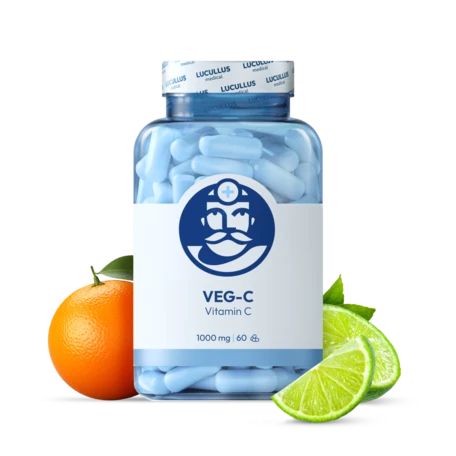
Vitamin C is found in abundance in citrus fruits, kiwis, strawberries, redcurrants and rosehips. Recommended vegetables include peppers, broccoli, kale, cauliflower, spinach, tomatoes and potatoes. The recommended daily intake of vitamin C is 90g for men and 75g for women. There are many reputable retailers where you can buy high-quality vitamin C in safe capsules.