














We should drink good herbal tea as a preventative measure, to boost our immunity. There was a time when this was obvious to everyone, and such teas were commonplace in villages. These days, it’s common to find a chemist’s even in a small village. We’ve all quickly got used to ‘instant-relief’ tablets.
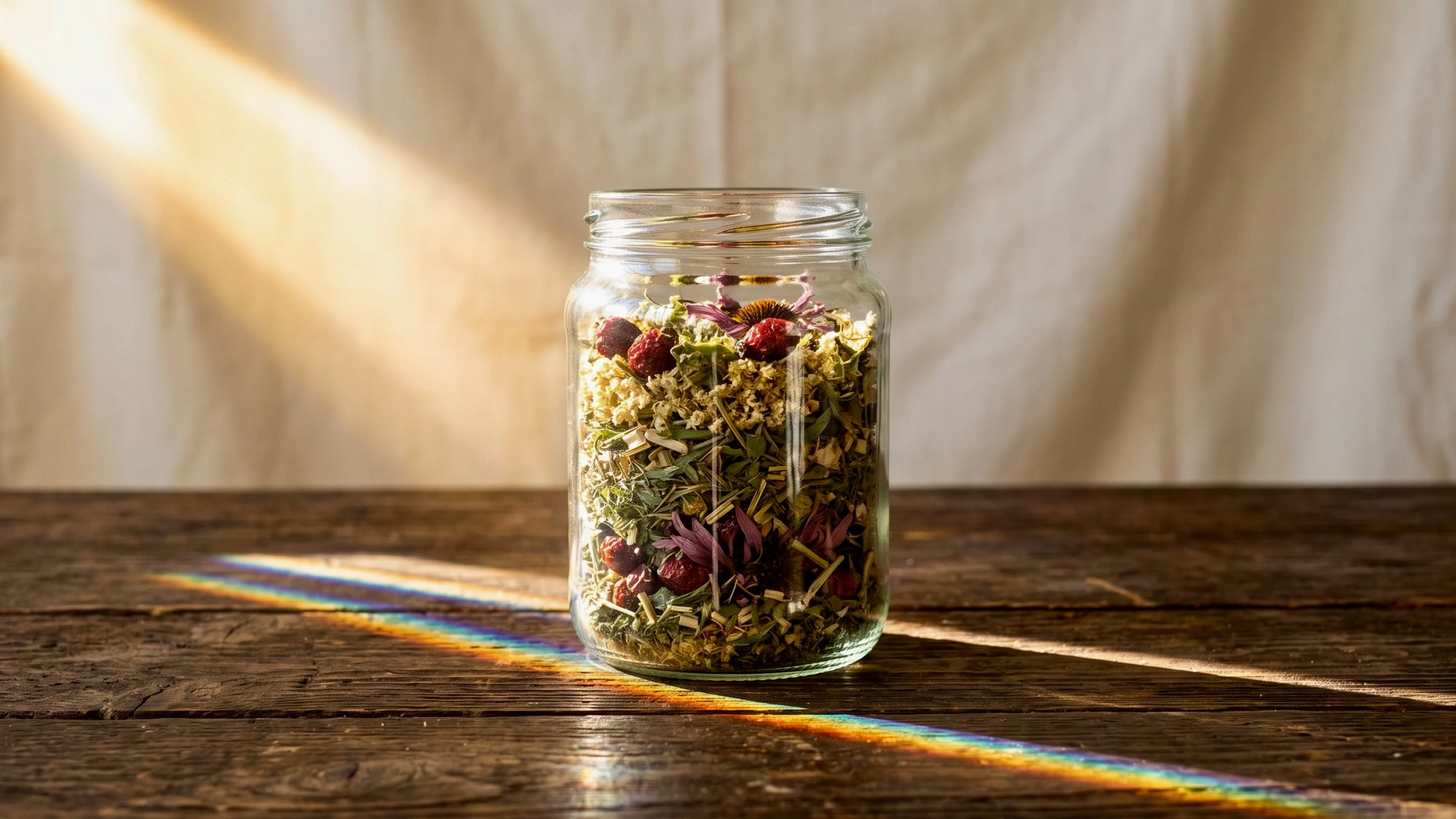
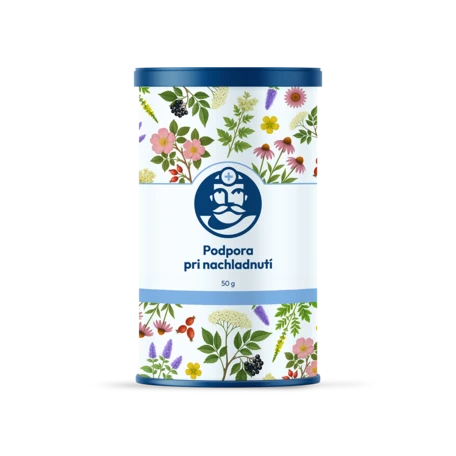
Thankfully, however, there has recently been a rapid increase in the number of people seeking traditional, natural remedies, particularly for preventative reasons. Yet even people who exercise and lead a healthy lifestyle can be caught off guard by a cold. Cold tablets usually don’t work, so that’s the right time for a well-prepared herbal tea blend. It contains herbs that have been helping us get back on our feet for centuries.
You might be surprised to learn that the first plant in our tea blend is indirectly responsible for the invention of aspirin. 125 years ago, acetylsalicylic acid – from which aspirin was produced – was discovered in the flowers of the white willow. If you’re the romantic type, you’ll be interested to know that the white willow has always been a part of the bridal wreath worn by the bride during the ceremony. It relieves headaches and was used primarily for joint problems and gout; it reduces swelling and draws fluid away from affected areas. It has anti-rheumatic effects and alleviates skin problems. A relatively little-known plant with astonishing effects.
Another member of this healing blend is black elderberry, which is probably familiar to everyone by now. It soothes nerve-related pain and strongly boosts the immune system. It has antiviral and antibacterial properties. It keeps the airways healthy and helps to relieve inflammation, coughs and phlegm. It is excellent for sore throats and laryngitis.
The most exotic member of our healing team is Agastache rugosa. It ranks among the top 50 herbs in Chinese medicine. It contains aromatic essential oils that have antibacterial, anti-inflammatory and relaxing effects. It has a scent reminiscent of aniseed and liquorice (sweets - pendrek). In Korean cuisine, it is often used to flavour various dishes. It alleviates fatigue and mental strain. It boosts the immune system.
Agrimony, on the other hand, is one of the best-known medicinal plants in our country. It regulates the functions of the liver and gallbladder. It is used to treat gallstones and cirrhosis of the liver. We are particularly interested in it today for its ability to relieve a sore throat. It helps to stop bleeding, both normal (menstrual) and traumatic (nosebleeds).

Purple coneflower stimulates and supports the immune system. It helps in the treatment of both acute and chronic inflammatory conditions, as well as respiratory tract infections, sore throats and flu. All these plants are sourced from organic farming. They are harvested in the High Tatras, in the vicinity of Kriváň.
Last but certainly not least is the rosehip. Rosehips (its fruit) are the very first thing that springs to mind when we think of tea to ward off a cold. Yes, rosehip tea is a classic that has never let us down. During the socialist era, rosehip picking was a major event, and schools would compete to see which could gather the most. Even our comrades knew that healthy rosehip tea, packed with natural vitamin C, was the best way to prevent flu-induced school closures. And healthy workers = a fulfilled five-year plan. What’s more, it helps prevent skin ageing! It aids weight loss – it speeds up the metabolism and fat burning. It supports heart health – it lowers blood pressure and improves blood flow. And it keeps your hair healthy! It repairs damaged hair follicles and promotes hair growth.