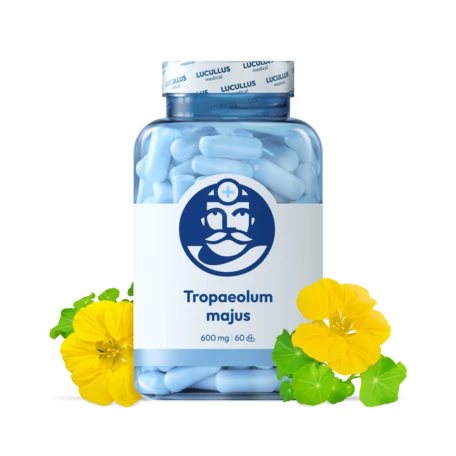











Monk’s cress is an older name for nasturtium (Tropaeolum majus), whose medicinal properties were already known in the 16th century. The appearance of the flowers and the name are a reference to the traditional robes of monks. It originally grew in the Andes, where indigenous tribes used it for healing, to boost strength and to aid recovery. Later, people from across the region would visit herbalists to seek out its medicinal heritage: decoctions, ointments and teas, as they understood the secrets of nature better than anyone else. In our grandmother’s herbarium, we found a description of the capuchin flower: a flowering panacea that does no harm, only helps. Today, we too can benefit from this traditional wisdom, and its benefits are scientifically proven. If you pluck a leaf from the nasturtium, the plant immediately activates a rapid regeneration mechanism and begins to ‘heal its wounds’ and continue growing. Thanks to its wide range of bioactive compounds and nutritional benefits, it is a valuable component of natural medicine and disease prevention. Modern science has discovered a wealth of beneficial substances in its leaves, flowers and seeds.

Consequently, the name ‘Natural Green Antibiotic’ refers to its content of glucotropeolin, which is converted in the body into a powerful natural antibiotic (benzyl isothiocyanate), effective against bacteria, viruses and fungi. Nasturtium is rich not only in natural antibiotics, isoquercetin and kaempferol, essential oils, but also in minerals that play a significant role (potassium, phosphorus, calcium, magnesium, zinc, copper, iron) and ensure the body functions properly. Thanks to its high content of polyphenols, vitamins C and B, and carotenoids, nasturtium is a powerful antioxidant that boosts immunity and, together with flavonoids, helps protect the body against oxidative stress and improves overall health. Dr Lucullus’s modern dietary supplement, based on pure nasturtium extract, offers a wide range of health benefits: thanks to its high content of bioactive compounds, it is used in dermatology to improve skin quality and reduce acne. If you suffer from hair loss, nasturtium may be the solution; it contains sulphur, which promotes hair growth and strengthens hair follicles. The hypotensive and anticoagulant properties of this plant help regulate blood pressure and support cardiovascular health. It contains glucosinolate compounds, such as gluconasturtiin, which help regulate blood sugar levels and carbohydrate metabolism. Experimental studies suggest that nasturtium is effective in managing obesity and metabolic disorders. It helps with bloating, supports healthy gut flora and has mild laxative effects. Its anti-cancer effects are provided by the flavonoids and glucosinolates contained in the plant, which have a proven cytotoxic effect on certain cancer cells. Its powerful antibacterial and antiviral effects help the body fight off infections, whilst its high vitamin C content helps boost the body’s defences. It is an ideal supplement for colds, coughs and respiratory tract conditions (bronchitis, rhinitis). An increased intake of antioxidants helps to rid the body of toxins and supports kidney health and detoxification (cystitis, kidney inflammation). You can recognise nasturtiums by their colourful flowers in shades of red, yellow and orange. Each colour offers different benefits. Red flowers contain a high concentration of anthocyanins and are associated with a reduced risk of chronic diseases; yellow flowers are rich in lutein and benefit eyesight; whilst orange flowers combine both properties. The leaf extract contains an antihypertensive agent that aids in the treatment of urinary tract conditions with rapid onset. It also excels in the urogenital area with a broad spectrum of activity, even in combating staphylococci, streptococci, salmonella and Escherichia coli, which are among the most common causes of these conditions. Analyses have concluded that the plant has significant effects on the reproductive system. Its antibacterial, antifungal, antiviral, antimicrobial, anti-inflammatory and antioxidant effects rank it among the top medicinal herbs, which also have potential in treating skin infections, fungal infections and inflammation within the body, where it is important to note that it not only alleviates but also cures inflammation. In addition to its medicinal uses, the flowers and leaves are used as decoration and as an ingredient in cooking, adding a delicately spicy flavour.
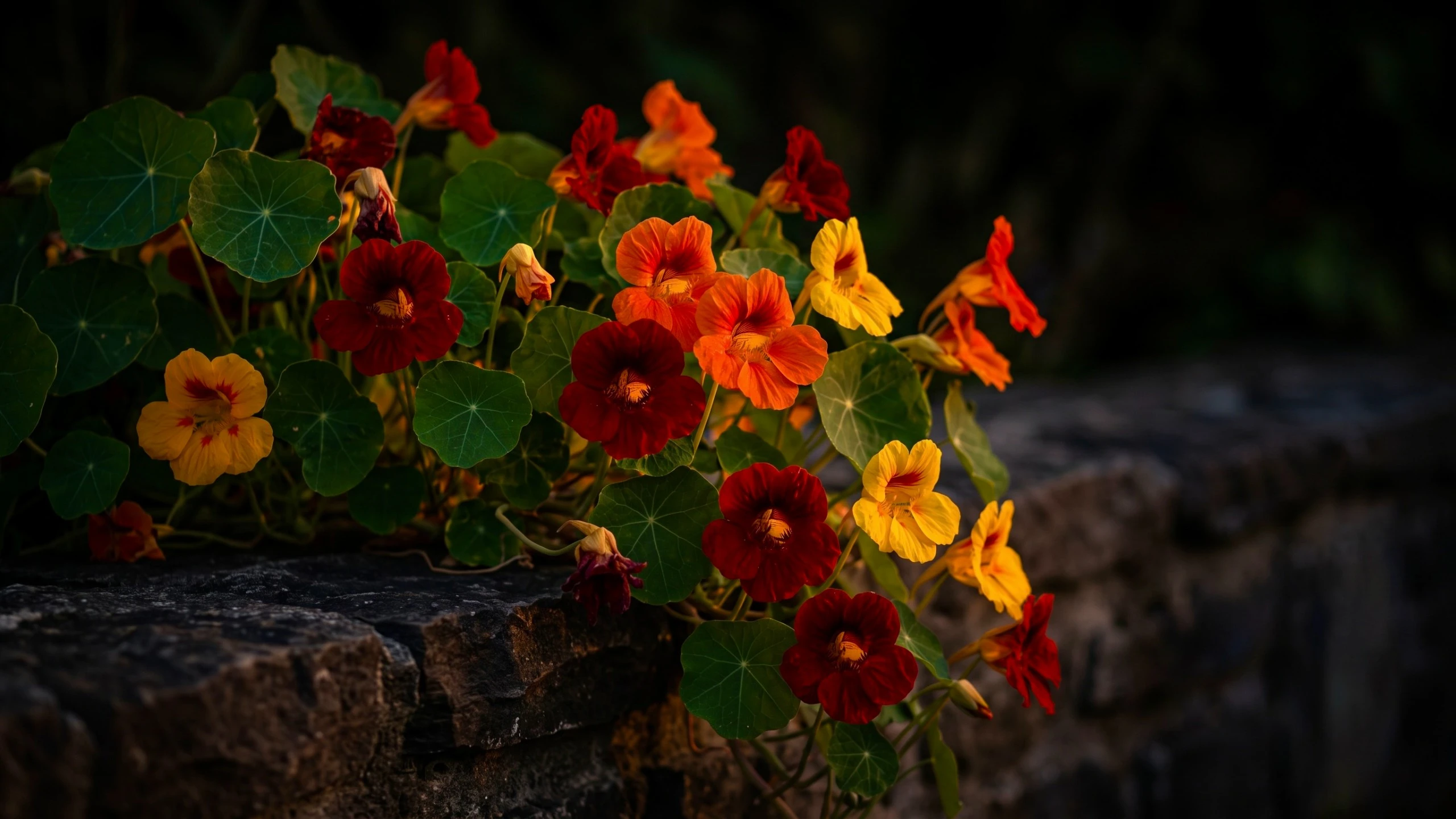
In Dr Lucullus’s capsules – Greater Capuchin – you won’t find a spicy flavour, but a powerful gift of nature that needs to be used correctly… as it is not merely a plant with beautiful flowers; thanks to its unique elemental composition, processing and a truly extensive list of benefits, it deserves a leading place amongst supplements. Nasturtium is proof that nature offers us solutions to support our health without chemical additives; it is comparable to antibiotics, but without the negative side effects, meaning it can ‘only’ help. It is not recommended to stop taking it (as with antibiotics).