















Do you ever find yourself in a situation where you suddenly feel a bit under the weather, you’re tired from work, responsibilities or training, and you decide to ‘pop’ some vitamins? You reach for that big effervescent tablet, perhaps swallow a few capsules you find in the kitchen, wash them down with water, and expect everything to change as if by magic.
If this sounds familiar, you probably won’t be surprised to hear that it doesn’t quite work like that. Vitamins may be fantastic allies for our bodies, but they have their own rules of the game. If you want to take them correctly, safely and in a way that really makes a difference, let’s take a look at the basic ‘vitamin guide’ by Dr LUCULLUS.
1. ‘Your plate is the boss’ is the basic rule
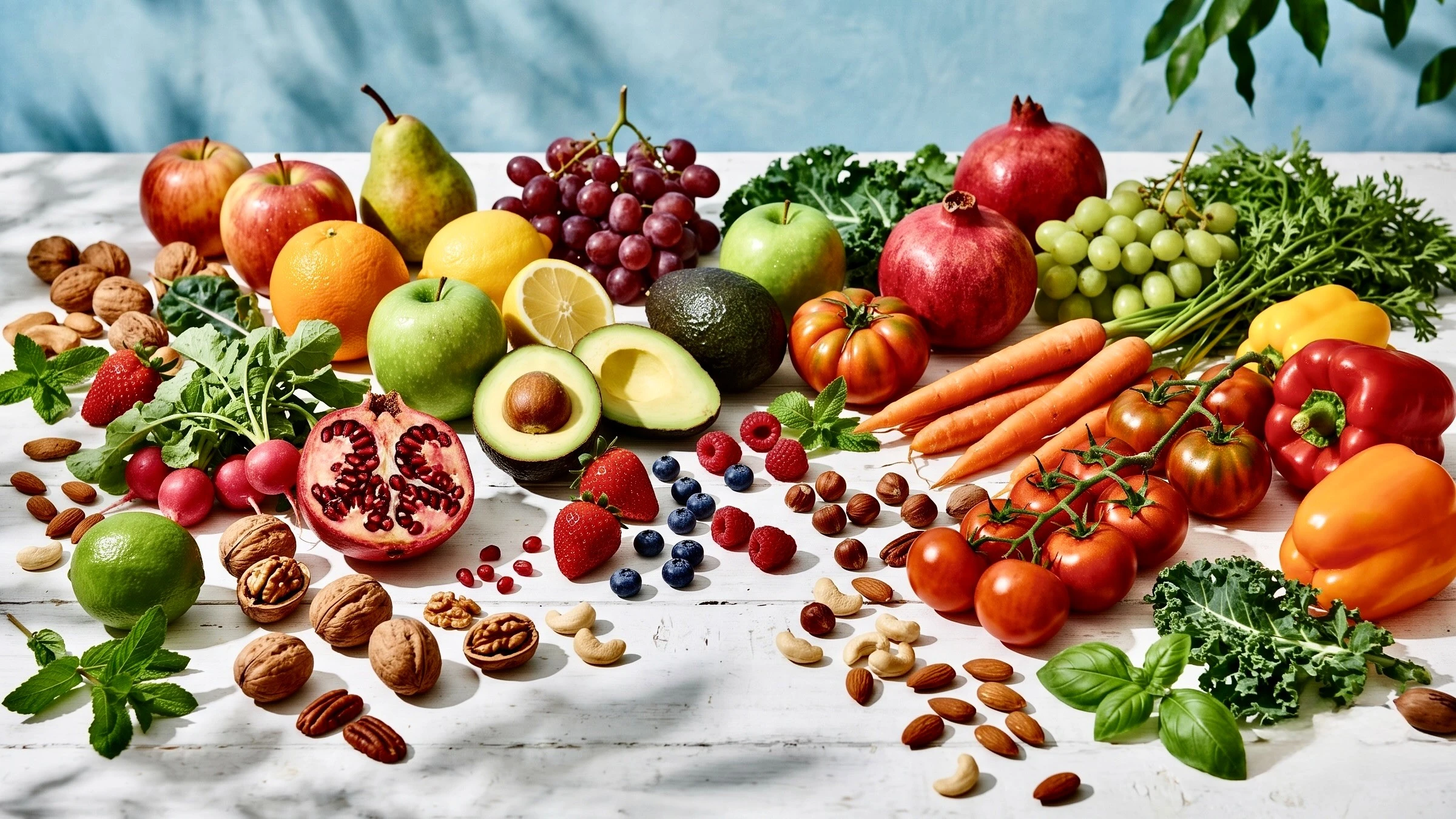
Before you even open a single bottle of dietary supplements, we need to clarify one fundamental point. A dietary supplement is called a ‘supplement’ because it is meant to supplement, not replace. The best, cheapest and most natural source of vitamins is ordinary food. Fruit, vegetables, nuts, meat and dairy products – these are your solid foundation. If your diet consists mainly of crisps and energy drinks, no miracle pill will save the day. A multivitamin is not a licence to stop eating a balanced diet.
2. Water versus fat
Vitamins cannot all be lumped together. In terms of how our bodies process them, they are divided into two main groups:
A) Water-soluble vitamins (C and the entire B complex): You can think of these vitamins as tourists who are simply passing through your body. Your body takes what it needs from them at the time, and simply flushes the rest out. You don’t necessarily need to take them with food, but it’s best to wash them down with a glass of clean water.
B) Fat-soluble vitamins (A, D, E, K): This is a different story. The body stores these vitamins for ‘a rainy day’. However, they need fat to be absorbed from the stomach into the bloodstream. If you take vitamin D on an empty stomach and wash it down with just water, much of it will be wasted. Take it after breakfast – for example, if you’ve had an egg, an avocado or some butter – or at least eat a handful of nuts beforehand.
3. Good timing is key
It does matter when you take your vitamins. Our bodies have their own rhythm.
A) Mornings and the morning: This is the ideal time for ‘energy boosters’. Vitamin C or B vitamins will help boost your energy levels, so it’s best to take them in the morning after breakfast.
B) In the evening and before bed: In the evening, ingredients that calm and regenerate the body are more appropriate. There aren’t that many vitamins that fall into this category, but if you’re taking any minerals (such as the often-mentioned magnesium), the evening is the time for them.

4. Watch out for a ‘vitamin hangover’
More isn’t necessarily better. This is 100 per cent true when it comes to vitamins. Many people think that if they take three times as much vitamin C, they’ll be three times as healthy. In reality, the worst that can happen is that it might upset your stomach.
One of the most common mistakes is taking strong vitamins on an empty stomach. If you take a strong multivitamin on an empty stomach, you may experience unpleasant nausea, a feeling of heaviness or even heartburn within a few minutes. Always try to take your vitamins after a meal or whilst eating.
5. The most important step to finish with
Although you can read all sorts of things about vitamins online, remember the most important thing: you’re not a walking laboratory. Especially during your teenage years, when your body is constantly changing and growing, you shouldn’t experiment with handfuls of tablets.
If you feel as though something is missing, find yourself frequently unwell, extremely tired or suffer from cramps after exercise, the wisest thing you can do is mention it to your doctor. Eat a varied diet; treat vitamins and dietary supplements as a helping hand, not as the main course. Vitamins and dietary supplements from Dr LUCULLUS will provide you with high-quality and effective support in every situation.