















Drinking decoctions made from various herbs and fruits has been part of human life ever since the discovery of fire. It was often the only way for people to extract beneficial substances from plants for their bodies, particularly during long winters. Gradually, people learnt which herb was beneficial for which situation or illness, and those who mastered this art were the most respected members of the community.
It is interesting to note that in the Middle Ages they were often labelled as charlatans because their recommendations did not align with the ‘latest scientific findings’. Indeed, this remains the case to this day. In defence of medical science, it must be noted that, both then and now, there is a huge group of people who are able to ‘scientifically’ explain and ‘justify’ the almost miraculous effects of herbs on the body.
However, it is equally true that modern science is far from understanding, or being able to explain empirically, why treatment with herbal extracts actually works. This is despite the fact that we are now able to examine plants or parts of them right down to the atomic level. Simply put, the human body and its various interactions with different substances vary so much from one individual to another that we will have to wait a while longer for precise and clear facts...
What we can safely do today, however, is make ourselves a healing or soothing drink from tried-and-tested, readily available herbs. Fortunately, these days we don’t have to travel far to visit an old herbalist, hoping she’s a genuine healer and not a quack. Today we have the internet, AI chatbots, high-quality literature and reliable shops and online retailers.
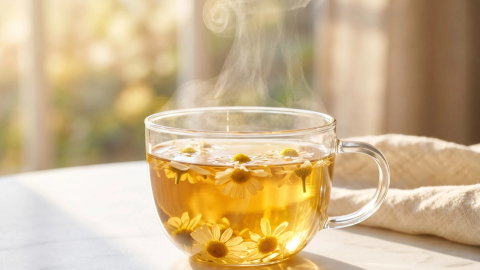
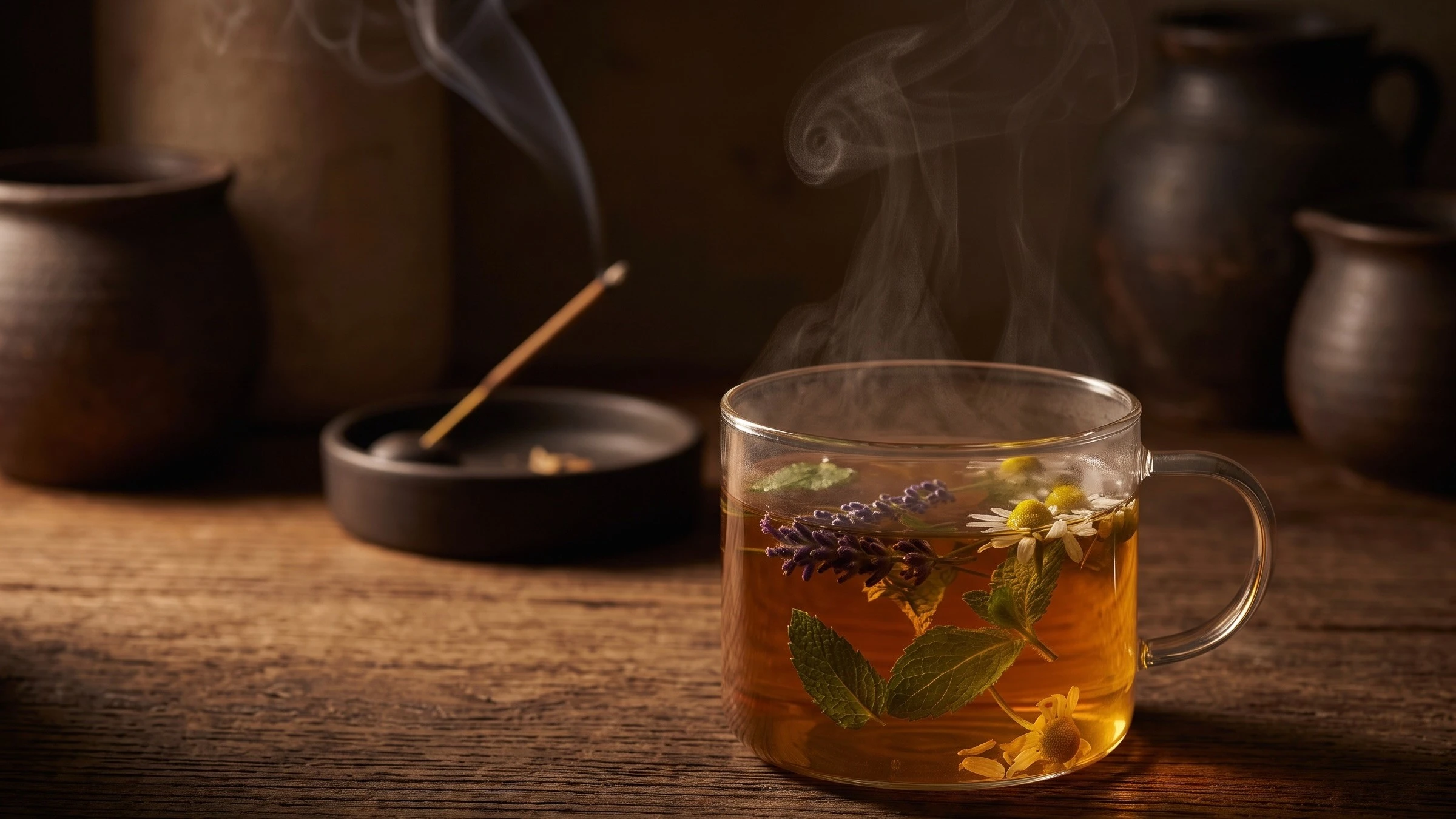
So, if you’ve read this far, it’s high time to calm your mind, pour yourself a cup of herbal tea and savour this moment with your feet up on the table. Do you want to know why you’re starting to feel calm, relaxed and at ease? Why are you thinking about treating yourself to an early night tonight and putting your mobile down on the table an hour earlier?
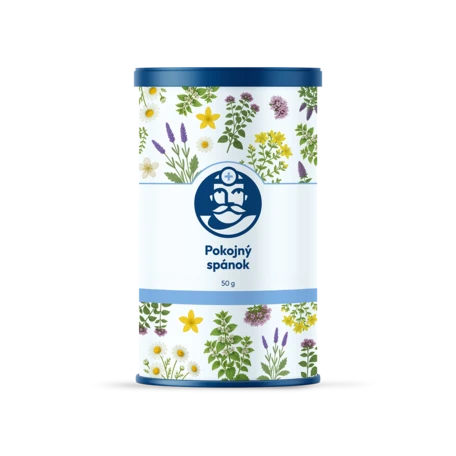
It is the composition of this tea blend. Lemon balm, with its characteristic lemony scent, can help relieve stress, insomnia and aid digestion. Its leaves have been added to drinks for centuries. Common marjoram (also known as oregano) contains flavonoids, tannins, and vitamins C and K. It has a calming effect, helps relieve bloating, stimulates the production of gastric juices and aids digestion.

Another ingredient is the well-known peppermint, with its characteristic aroma and flavour. It has antiseptic properties, relieves cramps and helps combat vomiting and nausea. St. John’s wort is very effective for treating neuroses; it relieves mental tension, anxiety and depressive states. It is highly effective against insomnia. Chamomile (Matricaria chamomilla) reduces fevers and heatstroke, relieves cramps, is excellent for colds and promotes wound healing. It is excellent for a peaceful night’s sleep and, in particular, for helping you fall asleep. The final ‘secret’ ingredient is narrow-leaved lavender. Excellent for migraines, insomnia and nervous exhaustion.
This blend of exceptional (yet so common) herbs is contained in a tea that can make your evening pleasant and relaxing, and prepare you for a good, peaceful night’s sleep. And we all know that a good night’s sleep is the foundation of good health. So then: off to bed quickly – the moon’s already out… :-)