















You know how it is – the alarm goes off, you open your eyes, but you stay in bed. Even after seven hours’ sleep, you don’t feel energised. In the mirror, you see dark circles under your eyes; your skin is dry and tired, and you’re developing bruises and tiny broken capillaries. Is your immune system not working as it should, and does every virus seem to find you? If you’re thinking, ‘It’s just stress; it’s normal to feel like this’, well… no, you don’t have to feel like this… You’re missing something, and it might not be magnesium or another coffee. It’s a vitamin that isn’t listed on yoghurt pots, nor has it taken social media by storm just yet. And yet your body craves it every day: it’s vitamin P, better known as bioflavonoids – natural plant compounds that:

- strengthen the capillaries and the skin from within,
- they reduce inflammation that you may not even be aware of,
- improve the absorption of vitamin C, thereby enhancing its effect,
- protects the heart, brain and mood – mental balance,
- they boost physical performance.
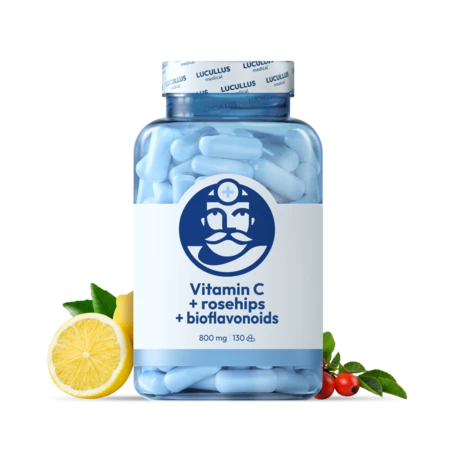
And all this naturally, as if you were eating the very best of citrus fruits every day – only in a much more concentrated and effective form. Bioflavonoids aren’t just antioxidants; they’re allies of your vitality. Without them: vitamin C is less effective, blood vessels lose their strength, and the body copes less well with stress, inflammation and ageing. They are not a marketing gimmick; they are the answer, backed up by research and experience. As early as 1936, when scientists first identified bioflavonoids in citrus fruits, they were given the name ‘vitamin P’, after their ability to influence the permeability of blood vessel walls. Since then, their importance has continued to grow, both in medicine and nutrition; whilst they are not officially classified as a vitamin, their effects on the immune system, blood vessels and skin are undeniable. What do bioflavonoids look like in practice? They are plant-based polyphenols, aromatic compounds with significant anti-inflammatory effects. For example – hesperidin (from oranges and mandarins), naringin, narirutin (from grapefruit and orange peel), eriocitrin (from lemons and limes), or diosmin. And now a frank question: how much citrus peel, or fresh citrus fruit, do you consume each day? That is precisely why a high-quality dietary supplement containing bioflavonoids has been developed – Vitamin P – Dr Lucullus, concentrated and with verified dosages.

What do the studies show? Titta et al. found that citrus flavonoids reduced inflammatory markers (IL-6, TNF-α, CRP) by more than 25 per cent after just 8 weeks. Other studies confirm a 58 per cent improvement in the condition of blood vessels and capillaries (diosmin + hesperidin), which is significant for people with varicose veins, haemorrhoids and a tendency towards bleeding gums. Bioflavonoids have also been found to lower LDL cholesterol, improve blood pressure, neutralise free radicals and inhibit the growth of tumour cells. They protect your eyes, skin and mind – bioflavonoids improve microcirculation in the retina and protect against UV damage and macular degeneration. They promote collagen production and reduce the incidence of acne, rosacea and signs of ageing. They help the body maintain balance and are also beneficial for people with diabetes (they lower HbA1c). Research shows that citrus flavonoids restore a healthy gut microbiota (by promoting the growth of beneficial bacteria such as Lactobacillus, Bifidobacterium and Ruminococcaceae), thereby reducing symptoms of depression. Just a few capsules are enough, and your body will show you for itself that it’s breathing more easily, that your knees don’t ache, and that your skin has a healthy glow. That you’ll wake up in the morning and not just lie there… but, above all, you’ll get up without feeling as though you’ve already lived through the whole day. Whether you get them from your diet, dietary supplements or creams, bioflavonoids offer a proven, natural and powerful path to health. Vitamin P works much like a fly screen on a window. Without a screen on the window, mosquitoes and flies fly in, making life unpleasant. This vitamin protects against ‘invaders’ such as free radicals, fatigue, inflammation and the negative effects of UV radiation. Without it, your biological ‘screen’ is weakened and impurities get where they shouldn’t. When is the right time to take vitamin P?
If you have a sedentary job (your legs and veins are causing you problems).
If you’re a woman in your 30s, your skin begins to lose its radiance and elasticity.
If you often feel overwhelmed, unwell or lacking in energy or vitality.
If you suffer from swelling, bruises, broken capillaries or inflammation.
If you’re keen to prevent cardiovascular and chronic diseases.