















For many people, switching to a plant-based diet is a step towards better health, a smaller environmental footprint and a more sustainable lifestyle. Veganism and vegetarianism offer a huge range of benefits, but they also require a certain level of nutritional awareness. This is because excluding animal products from your diet can, if not managed carefully, lead to a deficiency in key nutrients.
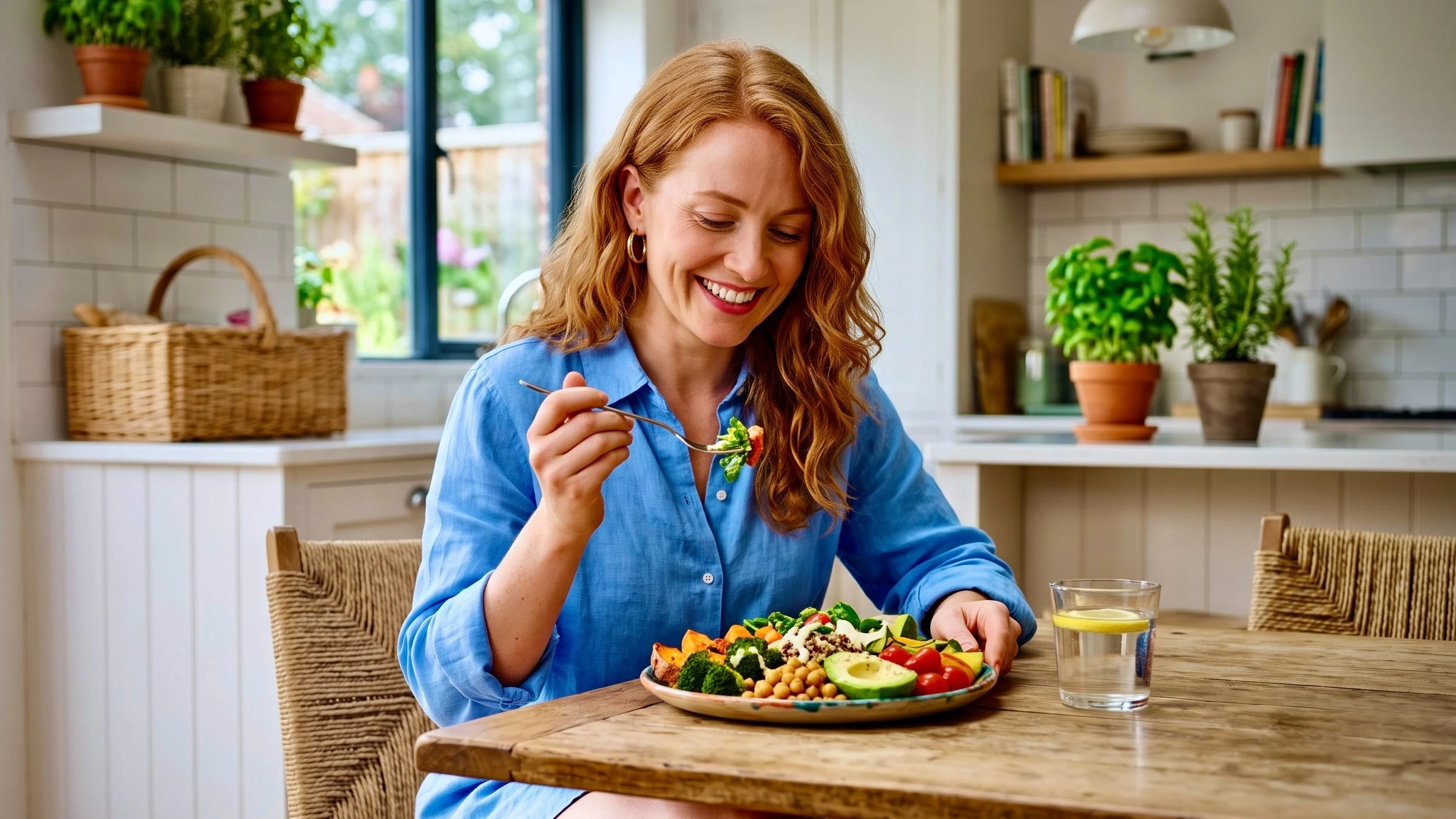
If you’re a plant-based diet enthusiast, or are simply considering it, it’s important to know what to watch out for and how to keep your body in top shape.
Why Vitamin B12 is absolutely essential
Vitamin B12 is, without exaggeration, the most important dietary supplement for any vegan and, very often, for vegetarians too. A deficiency may not become apparent straight away, as the liver can store reserves for several years, but this makes the long-term consequences all the more dangerous.
It is essential for the proper functioning of the nervous system, cell division, DNA synthesis and the production of red blood cells. A deficiency can lead to chronic fatigue, anaemia and permanent neurological damage.
Vitamin B12 is found naturally only in animal products. The myths that you can obtain sufficient amounts of this vitamin from unwashed root vegetables, seaweed or fermented foods (e.g. tempeh) are untrue. These plant-based sources often contain only so-called pseudo-vitamin B12 (analogues), which the human body cannot utilise and which may even block the absorption of the actual vitamin.
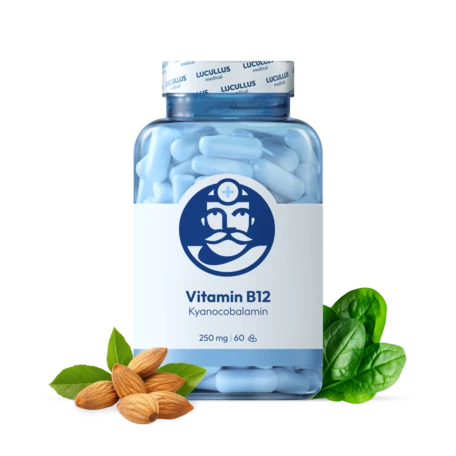
The only reliable solution is supplementation in the form of dietary supplements (ideally in easily absorbed forms such as methylcobalamin or cyanocobalamin) or the daily consumption of fortified foods, such as plant-based milks and vegan cheeses. Dr LUCULLUS offers high-quality vitamin B12 in the form of cyanocobalamin, which is a suitable supplement for vegans and vegetarians.
Not all iron is the same
Do you feel tired, look pale and get out of breath even with minimal exertion? These symptoms often indicate an iron deficiency. This mineral is essential for oxygen transport in the blood and for your overall energy levels.
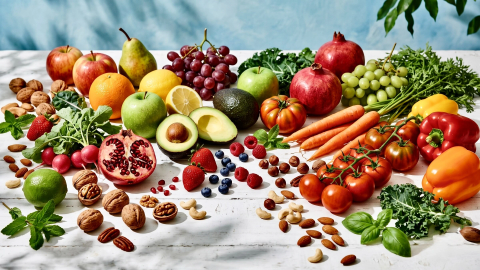
- haem vs. non-haem iron: Whilst animal products contain easily absorbed haem iron, plant-based sources (lentils, beans, tofu, spinach, pumpkin seeds) contain non-haem iron. The disadvantage of non-haem iron is that it is considerably more difficult for our bodies to absorb.
- A tip to boost absorption: Nature has given us a brilliant tool – vitamin C. If you add a fresh pepper, a squeeze of lemon or a glass of orange juice to a lentil dish, you’ll rapidly increase the chances of your body successfully utilising the iron; alternatively, you can rely on Dr LUCULLUS’s Veg-C, which supports iron absorption.
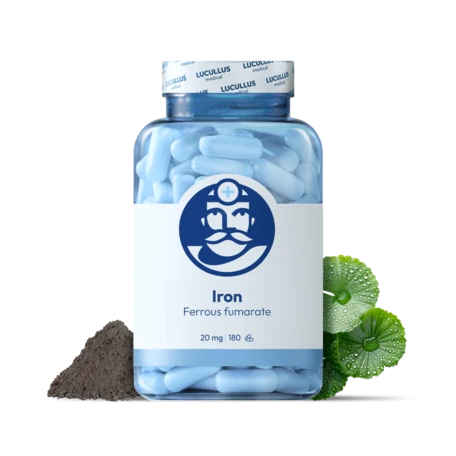
- Dr. LUCULLUS Iron is the right choice to support red blood cell production, boost your immune system and improve your concentration. It is a suitable supplement for women and athletes. The supplement capsule is made from gelatine.
- Coffee, black tea and green tea contain tannins and polyphenols, which significantly inhibit the absorption of iron. Ideally, these drinks should be consumed at least an hour before or after a main meal.

What else should you watch out for?
However, before you reach for any of them, there’s one major pitfall you need to be aware of. Watch out for hidden animal-derived gelatine! Many supplements use capsules made from animal-derived gelatine. When choosing a product, therefore, always read the ingredients list carefully – not just for the active ingredient, but also for the capsule itself. Look for the ‘Vegan’ label and check that the capsule is made from plant-based alternatives such as HPMC (vegetable cellulose), carrageenan seaweed or tapioca starch.
The transition to a plant-based diet is a wonderful journey full of ethical choices, a smaller environmental footprint and, often, the discovery of entirely new flavours. There’s no need to be afraid of it at all, but at the same time, it should be approached with respect for your own body.
You don’t need to have a shelf at home crammed with dozens of bottles. To start with, it’s quite enough to follow three basic rules:
Don’t underestimate vitamin B12: it’s your top priority and essential for the proper functioning of the nervous system.
Eat strategically: Help your body absorb iron by taking it with vitamin C, and be mindful of when you drink coffee or tea.
Read the labels right to the end: not just to check the active ingredients, but also the capsule casings themselves, to avoid hidden animal-derived gelatine.
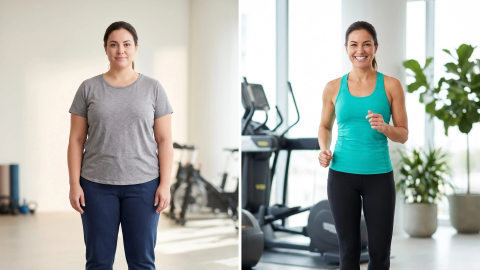
Veganism and vegetarianism aren’t about being 100 per cent perfect, but about striving to do things more mindfully and better. If you make your diet varied and supplement it with these few essential, high-quality supplements, your body will thank you with a huge boost of energy. You’ll then be able to enjoy all the benefits this lifestyle has to offer to the full, safely and with a clear conscience.