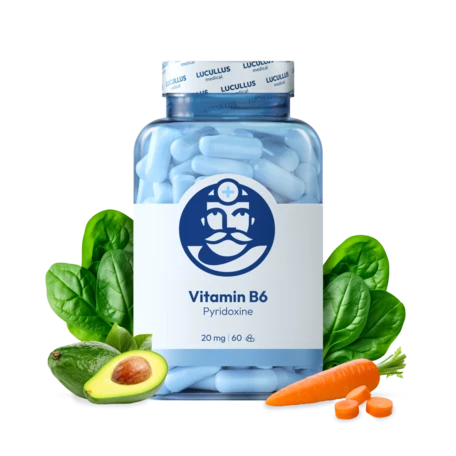
In today’s world, full of stress, constant hustle and bustle, and pressure to perform, we’re looking for ways to maintain our mental wellbeing. We often turn to meditation apps, breathing exercises or expensive dietary supplements. We’ll try anything that helps us find peace. Yet the solution may be much simpler and lies within our diet. One of the most important, yet often overlooked, factors in mental health is vitamin B6 (pyridoxine).

This unassuming B-complex vitamin acts as a manager in our brain, regulating the chemical processes responsible for whether we feel happy and calm or, conversely, anxious and burnt out.
How does vitamin B6 produce your ‘happiness hormones’?
The brain does not function on its own. To transmit signals between neurons, it needs chemical ‘messengers’ known as neurotransmitters. And it is precisely in the production of these that vitamin B6 plays a key role (acting as an essential coenzyme).
Serotonin (the feel-good hormone): Vitamin B6 is essential for the conversion of the amino acid tryptophan into serotonin. Without sufficient pyridoxine, you will literally slow down this conversion to a good mood, which manifests as irritability, low spirits or even depressive states.
Dopamine and noradrenaline (the hormones of motivation and energy): Pyridoxine helps the body produce dopamine, which fuels our motivation, the joy we derive from our achievements, and our concentration.
GABA (gamma-aminobutyric acid – an anxiety reliever): GABA is the main calming neurotransmitter in the brain. It dampens excessive activity in the nervous system, helps to switch off a ‘racing mind’ before bed and alleviates anxiety. Vitamin B6 is essential for the synthesis of GABA. If you’re deficient in it, your brain is as if it has lost its inhibitions.
Can a B6 deficiency lead to depression and anxiety?
The answer is definitely yes. A long-term vitamin B6 deficiency is very often a contributing factor to mental instability.
Scientists have already confirmed, in numerous studies, the link between low levels of vitamin B6 and an increased incidence of depression, anxiety disorders and chronic fatigue. An interesting study published in the journal *Human Psychopharmacology* even showed that high doses of vitamin B6 were able to significantly reduce levels of anxiety and depression in young adults by helping to stabilise GABA levels in the brain.
Are you at risk of a B6 deficiency too?
The body cannot produce vitamin B6 itself; we must obtain it from our diet. However, certain groups of people are at greater risk of a deficiency:
1. People under chronic stress: Stress depletes our stores of B vitamins faster than we can replenish them.
2. Women taking hormonal contraceptives: Some studies suggest that contraceptives may interfere with the body’s metabolism of vitamin B6.
3. Older people: As we get older, the absorption of nutrients in the intestines deteriorates.
4. Alcohol lovers: Alcohol significantly reduces the absorption of B vitamins.
How can you get pyridoxine into your body?
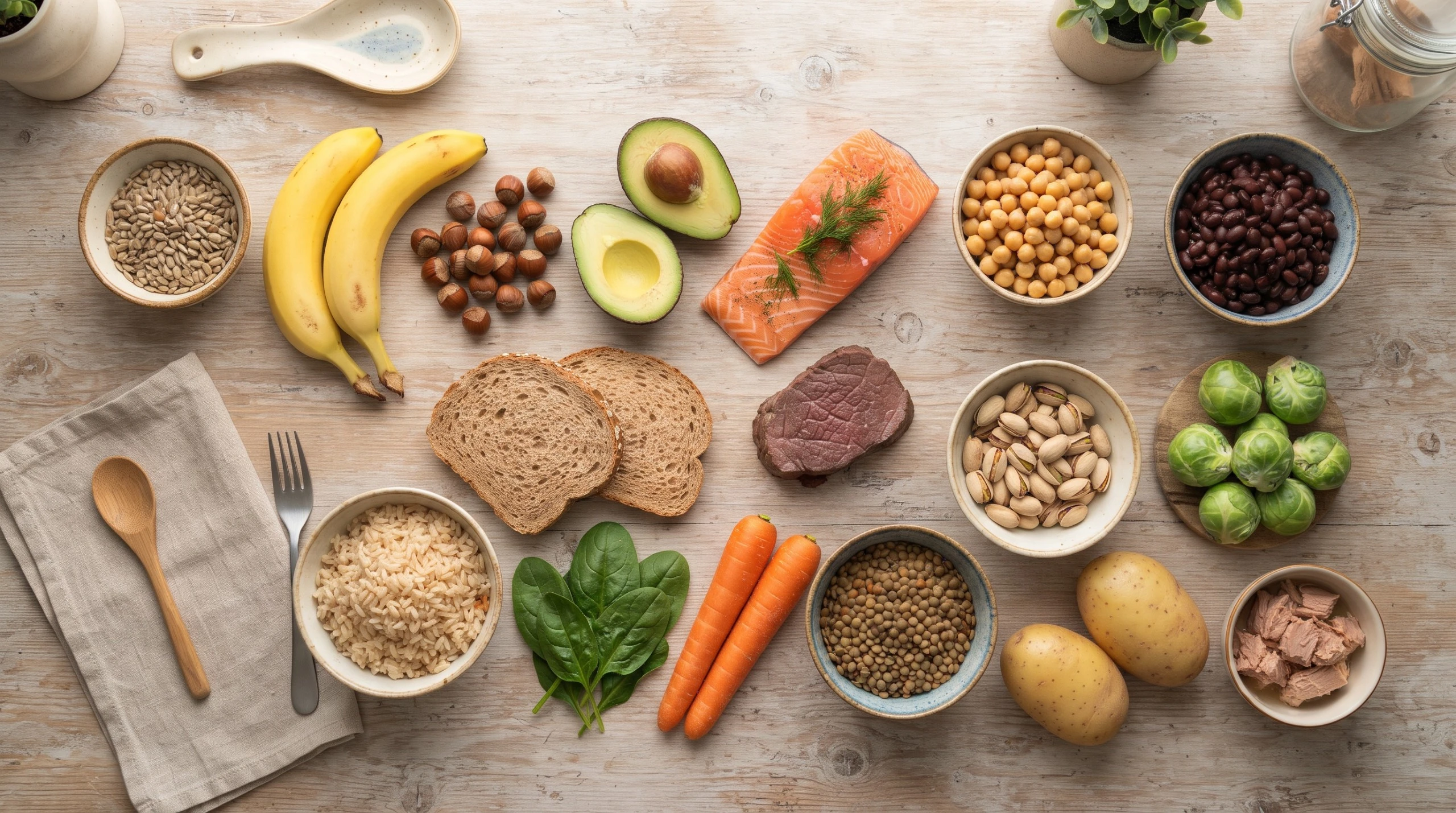
The good news is that vitamin B6 is found in everyday foods. If you want to boost your mental wellbeing, try including the following in your diet more often:
Meat and fish: Chicken and turkey breast, tuna, salmon.
Plant-based sources: Chickpeas (the champion among pulses for vitamin B6), avocados, bananas, potatoes (especially when boiled in their skins).
Seeds and nuts: Sunflower seeds or pistachios.
Vitamin B6 isn’t just an ordinary dietary supplement for athletes – it’s a key ally for our minds. If you’re feeling persistently irritable, experiencing unexplained anxiety or feel as though everything is getting on top of you, check whether you’re getting enough of this ‘good-mood vitamin’ in your diet.