















Do you try your best to drink the recommended two to three litres of water a day, yet still feel tired in the afternoon, with your body feeling stiff and your skin looking pale and lifeless?

In a recent article, we looked at why collagen plays a key role in preventing dehydrated skin and fine lines. Today, however, we’ll take a closer look – right down to the cellular level. We’ll show you why simply drinking plenty of water often doesn’t lead to the desired result, and why combining electrolytes with collagen is one of the most sensible health habits you can incorporate into your daily routine.
1. Drinking does not mean absorbing
Most of us have a simple view of hydration: I feel thirsty = I drink some water = the problem is solved. However, it works differently in the body.
Water in itself is not a passive fluid that automatically flows to where we need it. In order for water to pass from the digestive tract into the bloodstream and subsequently directly into the cells, it needs helpers – minerals known as electrolytes, which include, for example, sodium, potassium, magnesium and chlorides.
What happens if you drink too much pure demineralised water?
If the body is lacking in electrolytes and you pour litres of mineral-free water into it, a paradox occurs: the kidneys quickly excrete the water, flushing out the remaining minerals along with it. Instead of deep hydration, this often leads to:
- a frequent urge to go to the toilet,
- a feeling of heaviness in the stomach,
- afternoon brain fog and tiredness,
- muscle tension or mild cramps.
2. How electrolytes and collagen work together
If we want to keep our bodies properly hydrated, supple and resilient, we need to focus on two fundamental processes: getting water into the body and retaining it in the tissues. And this is where perfect teamwork comes into play.
Step 1: Electrolytes open the doors to the cells
Electrolytes act as electrical conductors in our bodies. They regulate osmotic pressure and nerve impulses. Sodium and potassium create a balance that allows fluid to move from the intercellular space into the cells. Magnesium, in turn, supports the proper functioning of the muscles and the nervous system.
Step 2: Collagen forms a firm ‘sponge’
As we have already mentioned, collagen is the main structural protein of connective tissues – it is found in the skin, cartilage, tendons and blood vessels. Together with naturally occurring hyaluronic acid, it forms the extracellular matrix.
To put it simply: electrolytes direct water to the right place, and the collagen structure prevents the tissues from losing their plumpness, elasticity and firmness.
3. Morning puzzle: Why is drinking coffee on an empty stomach a shock to the body?
During the 7 to 8 hours of night-time sleep, the body continues to function – it loses approximately 0.5 to 1 litre of water through breathing and sweating. We therefore naturally wake up in the morning in a state of mild dehydration.
Most people reach straight for a cup of strong coffee. On an empty stomach, caffeine stimulates stomach acid production, triggers the release of cortisol (the stress hormone) and has a mild diuretic effect. Instead of truly waking up our cells, we’re giving them another dehydrating jolt.

How can you turn this to your advantage? Prepare a healthy morning drink
Turn the first few minutes of your day into a moisturising ritual that replenishes what your body has lost overnight:
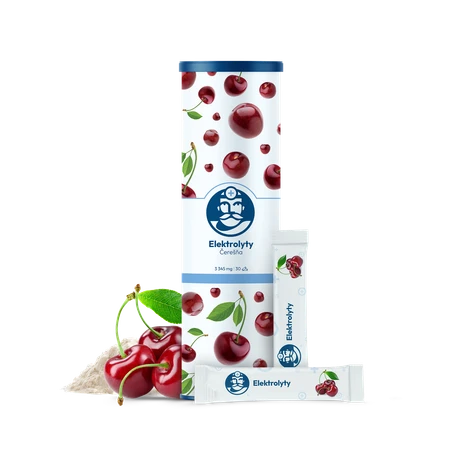
A) A glass of lukewarm water with electrolytes: This restores mineral levels, stimulates digestion and ensures that fluids are transported to the cells immediately. The result is natural mental alertness without the jitters caused by caffeine.
B) Hydrolysed collagen dose: Taken in the morning on an empty stomach or with a light breakfast, the body is ready to absorb the amino acids, which it will use to regenerate stressed connective tissues.
C) Coffee later: If you wait 60–90 minutes after waking up and rehydrating before having a coffee, its stimulating effect will be much more consistent and you’ll avoid an afternoon slump.,
4. Who is this combination ideal for?
This approach isn’t just for professional athletes. It fits perfectly into your daily routine if:
Do you have a sedentary job and work in an air-conditioned environment? The dry air in offices significantly increases water loss from the skin and mucous membranes.
Do you take part in recreational sport or practise yoga? Whilst electrolytes help prevent muscle cramps and exhaustion during training, collagen helps maintain the strength of stressed tendons and ligaments.
Do you feel stiff in the morning? After a night’s sleep, your body needs to loosen up your joints and restore the flexibility of your fascia (the connective tissue that surrounds your muscles).
Are you looking to simplify your routine? Instead of taking dozens of different tablets, a high-quality collagen drink combined with a dose of electrolytes provides a well-rounded, refreshing start to the day.
High-quality body care is not about miracle quick fixes, but about understanding basic biochemical processes. True hydration does not take place in the stomach, but within the cells and in the elasticity of the tissues.
The next time you pick up a glass of water, bear in mind that your cells need a ‘mineral key’ to absorb it and a structural framework to hold it in place. The combination of electrolytes and collagen forms the well-thought-out, functional foundation of every active and energising day.