For some of us, fast food and that feeling of heaviness go hand in hand. So you opt for a healthier option – perhaps with an egg, seeds and plenty of fibre – and expect to feel the difference. But instead, do you feel as though you’ve swallowed a boulder? Your trousers start to feel tight, your tummy swells up and your energy levels drop so sharply that you find yourself thinking about your third coffee of the day and feeling physically irritable. Does this sound familiar?

Many of us reach for expensive vitamins, collagen and immunity boosters, yet we forget one fundamental fact: you are not what you eat, but what your body is actually able to break down and absorb. If the first line of defence – namely, digestion and the microbiome – isn’t working properly, most expensive supplements will pass through the body without doing any good.
1. Digestive comfort – simple and straightforward
The digestive tract is the gateway to our overall health and home to approximately 70 to 80 per cent of the immune system. It is the largest immune and endocrine organ in the human body. For our body to remain in balance, two key systems must work together seamlessly:
Phase 1: Enzymes and sugar in equilibrium
Digestion in the stomach takes place with the help of digestive enzymes and an acidic environment. If we eat under pressure or if the production of gastric juices is slowed down, fats and proteins may not be broken down sufficiently. The glycaemic curve is closely linked to this. A sharp rise in blood sugar triggers the release of large amounts of insulin, followed by a sharp drop (known as a ‘food coma’). This is why we may feel a craving for sweet things after lunch.
Phase 2: Microbiota and intestinal permeability
Billions of microorganisms live in our large intestine. With a healthy diet, they produce short-chain fatty acids – mainly butyrate. Butyrate is important for the cells of the intestinal mucosa; it strengthens the intestinal wall and reduces inflammation. When digested food moves slowly through the gut, unwanted fermentation occurs, leading to the build-up of gas and a feeling of discomfort.
2. Lifestyle and simple habits
Try incorporating these simple habits into your daily life – they may help your digestion:
A) ‘Rest and digest’ mode:
When you’re stressed, your stomach and pancreas don’t release enzymes. So sit down comfortably when you eat, focus solely on your meal, and chew it thoroughly at your own pace.
B) A glass of water first thing in the morning:
Try drinking a glass of lukewarm water first thing in the morning. This will trigger a natural urge that makes it easier to go to the toilet in the morning.
C) Food and sleep:
The digestive tract rests at night and activates what is known as the migratory motor complex. If you eat before going to sleep, you will block this self-cleansing process.
3. Targeted, high-quality supplementation from Dr LUCULLUS
If nothing else works, it’s time to turn to targeted natural remedies:
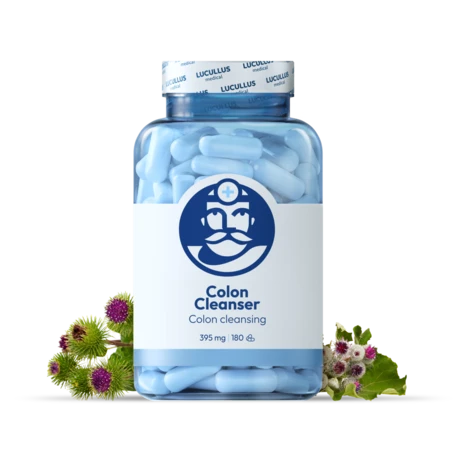
Colon Cleanser (Colon Cleanse):
A gentle herbal blend designed to restore regularity and soothe the digestive tract.
- forms a protective film on irritated mucous membranes and provides rapid relief from flatulence,
- alleviates local inflammation and stimulates natural peristalsis,
- helps restore the natural bowel movement pattern
Apple cider vinegar:
- promotes the production of digestive juices, which are necessary for the breakdown of fats and proteins,
- it slows down the emptying of the stomach, so you feel full for longer,
- helps to reduce sharp fluctuations in blood sugar levels after meals
Histamine Control:
If you suffer from bloating, cramps or skin redness after eating fermented foods, tomatoes, mature cheeses or fish, the problem may not be digestion, but your body’s inability to break down histamine.
- the herbal formula stabilises mast cells, which prevent the excessive release of histamine in the body

The 3 most common mistakes to avoid
Mistake 1: Not drinking enough water when taking herbal supplements:
Herbal extracts and fibre need water to work properly in the digestive tract. Drink at least 1.5 to 2 litres of clean water a day.
Mistake 2: Expecting a miracle within 24 hours:
The intestinal lining and the microbiome need time. Although relief from bloating may come quickly, allow the treatment at least 3 to 4 weeks to truly regulate your bowel movements.
Mistake 3: Ignoring the warning signs in your diet:
Even the best colon cleanser cannot compensate for a diet based on fried foods, ready meals and white sugar. Treat supplements as a support, not as a free pass.
In Part 2, we’ll move on to a topic that has a lot to do with digestion and is directly linked to it: stress, waking up at night and the secret to deep recovery.