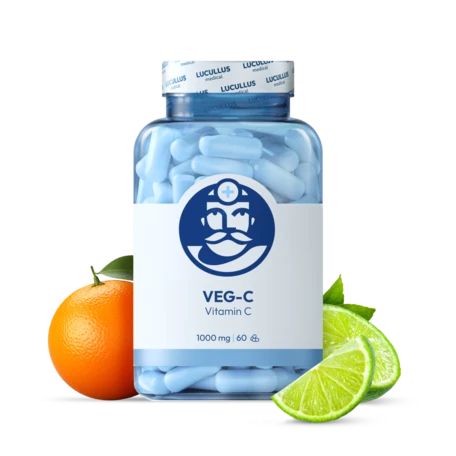
















Vitamins are like tiny superhero molecules that we give our bodies as a dietary supplement. Whether it’s for our immune system, firm skin or energy for the day, we couldn’t do without them. But when you swallow a vitamin tablet, have you ever wondered what it’s actually made of?

Let’s take a look together at how it all works and what the difference is between vitamins derived from natural sources and those derived from synthetic sources.
What are vitamins actually made from?
Vitamins that you can find in a chemist’s or a shop are divided into two main groups based on how they are produced:
1. Natural vitamins
We obtain them from whole foods. These vitamins are literally extracted from nature. They are produced by concentrating and extracting them from real plants, fruit, vegetables or even animal products and yeast. For example, we obtain vitamin C from rosehip or acerola (a tropical cherry) extract.
2. Synthetic vitamins
They are produced in laboratories. Most vitamin supplements (up to around 90 per cent) on the market are synthetic. They are manufactured industrially using chemical processes or fermentation (using bacteria). Scientists simply take the basic raw materials and assemble the vitamin molecule so that it is identical to the natural one.
Much synthetic vitamin C is produced from maize starch or syrup. The popular vitamin D3 is most commonly derived from lanolin, which is actually a natural fat found in sheep’s wool.
Natural vs. synthetic
If a molecule created in a laboratory is exactly the same as the one in an apple, is there any difference between them at all? The answer is: Yes and no.
Here are the main differences you should be aware of:
Molecular structure: From a chemical point of view, synthetic and natural vitamins are almost identical. In most cases, our body cannot tell whether a vitamin C molecule comes from an orange or from a laboratory. Both trigger the necessary processes in the body.
Teamwork: This is the greatest benefit of natural vitamins. In nature, vitamins never occur on their own. They are found in a ‘package’ alongside enzymes, minerals and other plant compounds that help the body to absorb and utilise the vitamin more effectively. A synthetic vitamin is often just an isolated molecule.
Absorption: Due to the lack of a ‘carrier’, some synthetic vitamins are absorbed slightly less efficiently than those found in food. However, there are exceptions! For example, synthetic folic acid (vitamin B9) is actually absorbed by the body even more effectively than its natural form (folate), which is found in leafy green vegetables.
Price: Synthetic vitamins are much cheaper and can be produced in large quantities, which makes them readily available to us.

So which ones should you choose?
The truth is that the best way to get your vitamins is from a real, varied diet. No pill in the world can fully replace the complexity offered by a simple apple, a handful of nuts or a bowl of salad.
However, we should not view synthetic vitamins as a bad thing at all. They are a great and useful tool if:
You’ve fallen ill and need to quickly take a high dose (e.g. vitamin C or zinc).You are deficient in a particular vitamin (often vitamin D in winter, for example). You follow a specific diet (for example, vegans often need to take synthetic vitamin B12 supplements, as it is mainly found in meat).
Ultimately, it is not just a question of whether a vitamin is isolated in a laboratory or derived from fruit, but, above all, of what exactly your body needs at that moment. Synthetic vitamins have an irreplaceable role in modern medicine and preventative healthcare, but they can never fully replace the synergy of nutrients found in fresh foods. The key to optimal health is therefore a happy medium – consuming a wide variety of whole foods and sensibly, specifically supplementing any missing nutrients.