















As soon as the temperature drops to zero and the first cough is heard in the office or on the bus, the same ritual begins in many households: a glass of water with effervescent ‘C’ tablets and a random dose of vitamin D drops. We’ve got used to seeing them as a fire extinguisher – something we pull out of the cupboard in a panic when we already feel a tickle in our throats. However, science and the biology of the human body work differently from the marketing of pharmaceutical companies. With both vitamins, we often pay for a false sense of security.

Vitamin C: Why effervescent tablets containing one gram do not work as first aid
The idea that massive doses of ascorbic acid can reverse a viral infection that has already taken hold within a few hours is certainly appealing, but large-scale clinical trials and systematic reviews present considerably more sobering findings.
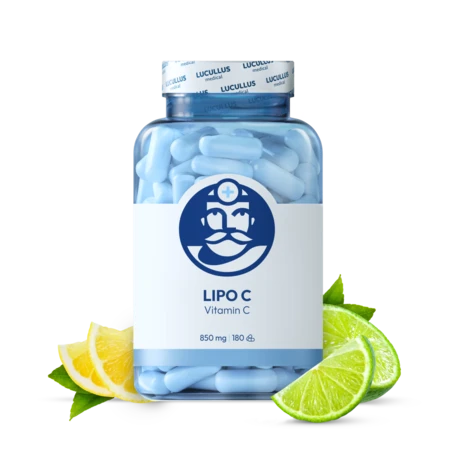
If you’re already in bed with a blocked nose and reach for a 1,000-milligram effervescent tablet, this won’t shorten the duration of your current infection. Although vitamin C is a key antioxidant that supports the function of white blood cells, its intestinal transporters have strict limits. With a single dose exceeding a few hundred milligrams, the body simply cannot absorb most of it and will excrete it via the kidneys into the urine. In the worst case, the excess acid may cause stomach cramps or diarrhoea.
Its true power lies in long-term, low-key prevention. If the body has stable levels of vitamin C even before coming into contact with a virus, it can shorten the duration of a cold by around 8 per cent in adults and 14 per cent in children. It is not an instant miracle cure, but rather a small percentage gain achieved through a normal daily intake of around 100 to 200 mg from a varied diet – for example, from peppers, sauerkraut or sea buckthorn.
Vitamin D does not work like paracetamol
When it comes to vitamin D, we are making an even more fundamental mistake. Although we call it a vitamin, in the body it behaves more like a steroid hormone, which plays a key role in regulating immune responses.
In our part of the world, from October to April, we synthesise practically nothing through our skin. However, when a person falls ill and, in a bid to recover, swallows a massive dose of vitamin D, their immune system does not immediately benefit from it. This is because cholecalciferol takes days or even weeks to be converted in the liver and kidneys into its active form, which is capable of interacting with white blood cells. Taking it in a single dose whilst running a fever is therefore, from a biological point of view, pointless.
For vitamin D to reduce the risk of respiratory infections, it must be taken regularly. Systematic studies published in the British Medical Journal have repeatedly confirmed that only consistent daily doses (usually 1,000 to 2,000 IU) maintained throughout the winter have a preventative effect. Furthermore, unlike vitamin C, vitamin D is fat-soluble and is stored in the body. Whilst an excess of vitamin C poses no greater risk than an upset stomach, long-term, unreasonably high doses of vitamin D can lead to a dangerous build-up of calcium in the blood and damage to blood vessels or the kidneys.

How to get the most out of both without wasting money
The difference between effective prevention and unnecessary waste lies in the right timing and approach:
Adjust your schedule from autumn to winter: start taking vitamin D supplements at the end of September or beginning of October, not when you catch your first cold in January.
Be mindful of fats: As vitamin D is fat-soluble, always take the drops or capsules with a meal containing fat – for example, with eggs, full-fat yoghurt or avocado.
Divide your vitamin C intake into smaller portions: your body will make better use of 150 mg three times a day from fruit and vegetables than a single 1,000 mg tablet taken all at once.
Although vitamins C and D cannot cure a viral infection overnight, they play an indispensable role in our bodies. They offer the most natural and scientifically proven defence you can give your body during the winter.
The power of vitamin D as a key component of the body’s overall defences, combined with the antioxidant protection provided daily by vitamin C, forms an unbeatable duo when taken in the right proportions. If you give them a chance through consistent and regular preventative care, your body will reward you with the most precious gifts: stronger immunity, milder symptoms of common illnesses, and the energy to get you through the whole cold season without any unnecessary time spent in bed.
Give your immune system what it really needs – sensibly, regularly and in good time. It is the simplest investment you can make in your own health, with proven results.