















You know those times when you come down with a ‘bit of a cold’. You might even joke about it, but you really do feel awful – you’re coughing, you’re in the throes of a fever, and you’re finding it hard to breathe. Anyone who was lucky enough to grow up in the countryside as a child will remember the various herbal teas that their grandmother used to conjure up. A simple herbal tea that always brought miraculous relief.
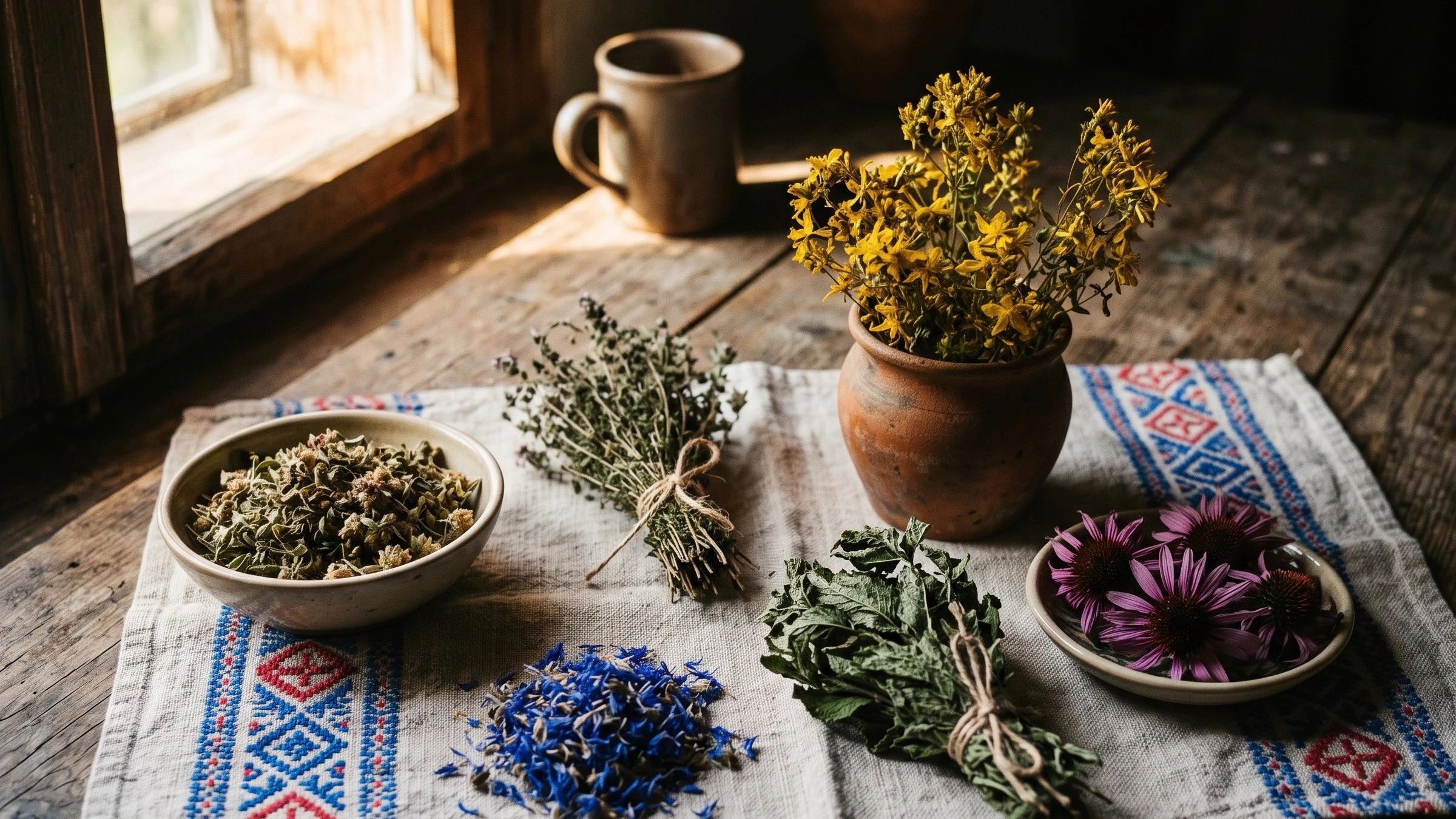
Despite the enormous progress made in medical science and the pharmaceutical industry, natural products tried and tested over centuries are still the most effective treatment for those basic and most common ailments. Thankfully, they are on the rise today, as more and more people are choosing natural products over pure chemicals. A blend of high-quality, dried herbs in the right proportions can work wonders.
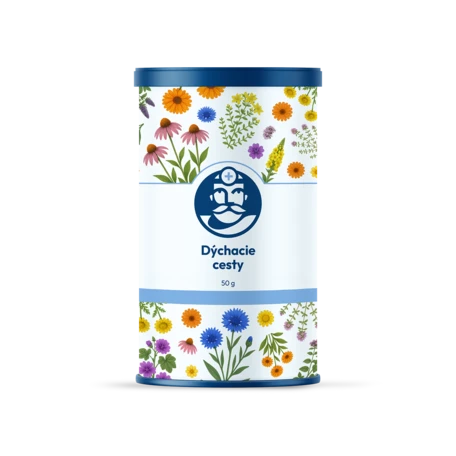
Common marjoram (also known as oregano) contains flavonoids, tannins, and vitamins C and K. It has a soothing effect, helps relieve bloating, stimulates the production of gastric juices and aids digestion. The flowers of great mullein clear the airways in cases of dry, persistent coughs and are also very effective for asthma, bronchitis and laryngitis. They were also widely used in the treatment of tuberculosis in the past. They loosen phlegm and clear the bronchi.
The best-known ingredient is wild thyme, which we often used to pick as children. It contains essential oils, linalool, serpylene, tannins… It helps to loosen phlegm in cases of upper respiratory tract catarrh. It is excellent for pneumonia. It calms the nervous system and soothes a dry, spasmodic cough (whooping cough). Moorish mallow is another active ingredient in today’s tea blend and helps to break down phlegm. It is often used in mouthwashes and gargles. It helps with inflammation of the stomach lining.
A very important ingredient is St John’s Wort, which is one of the most interesting herbs. It contains hypericin and hyperforin. It is often used to treat cancer and viral diseases. The ancient Greeks used it to treat melancholy and burns. It aids digestion and supports the proper functioning of the gallbladder and liver. It is used to treat urinary tract disorders. It effectively supports the immune system. However, due to its potent effects, careful dosing is required; it should not be taken before bedtime, nor should it be taken by people on antidepressants, although it is used on its own specifically for the treatment of depression. Studies involving over 5,000 patients have found that those taking St John’s Wort experienced far fewer side effects than those taking antidepressants.
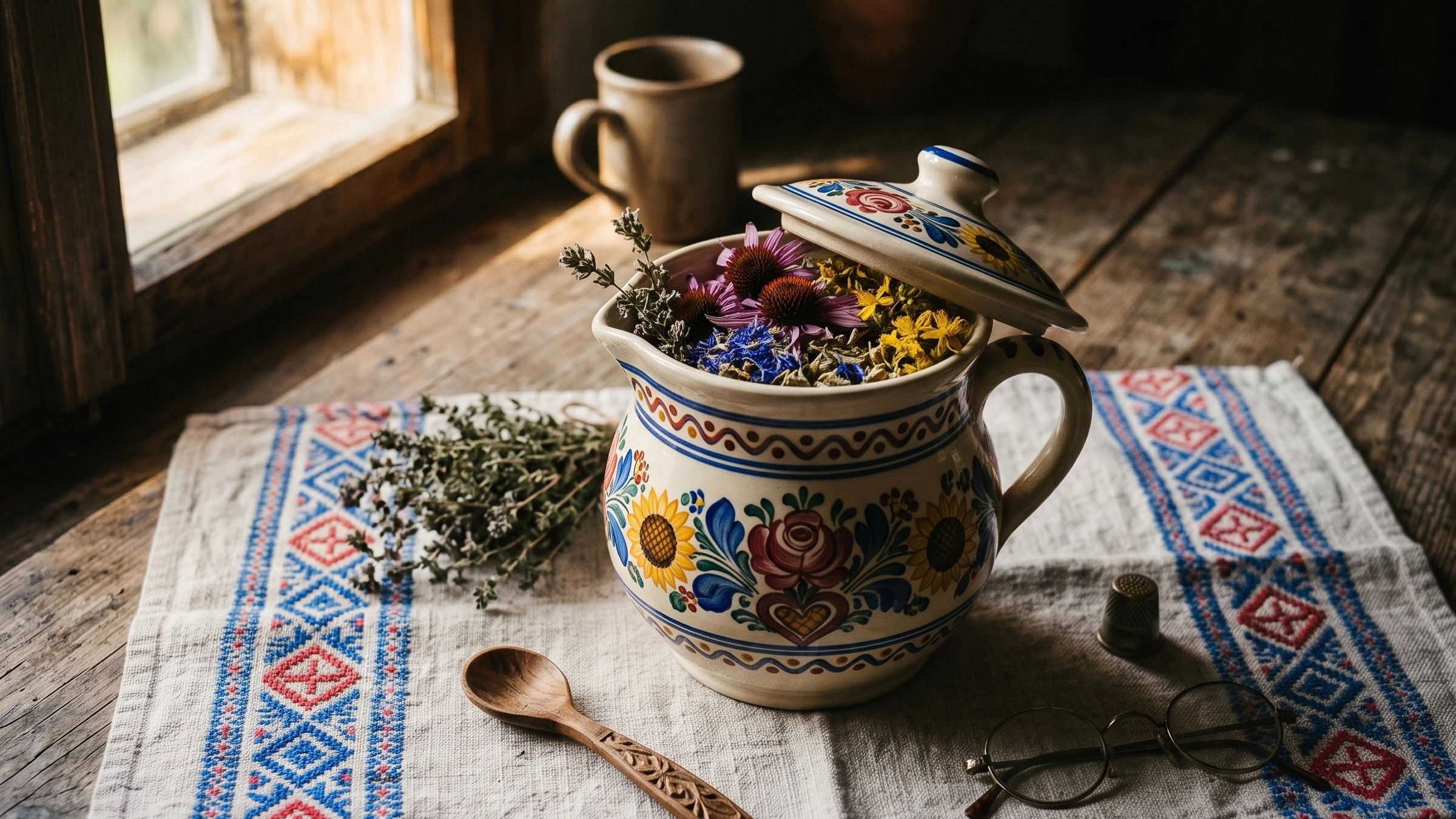
The blend of other plants used in this tea helps prevent the spread of inflammation, particularly in cases of purulent eye conditions (cornflower), Peppermint helps to prevent vomiting, has antiseptic properties, relieves cramps, and combats nausea and vomiting. Dyer’s rocket is recommended following recovery from jaundice and has beneficial effects on liver and gallbladder disorders. It is included in our blend for its soothing and anti-inflammatory properties.
Purple coneflower stimulates and supports the immune system. It helps in the treatment of both acute and chronic inflammatory conditions, respiratory tract infections, tonsillitis and flu. Calendula is a well-known remedy that aids wound healing. It is highly effective against streptococcal and staphylococcal infections.
This blend of herbs is balanced for both regular and preventative use. However, due to its composition, do not use it for longer than a month (3 times a day), as it is very effective. All these plants are sourced from organic farming; they are grown and harvested beneath Kriváň, in the High Tatras.