














We probably all have a good supply of medicines at home in case we catch a cold, or even the flu. It’s the same every single year. The temperature drops, the weather turns damp and chilly, and the viral infections start to spread. But we’re prepared! Celaskon, various cough syrups, paracetamol… A box (or even a large box) of all sorts of medicines will sort it out, won’t it? And if not, then whilst we’re coughing, grumbling and lying in bed, we solemnly promise ourselves that we’ll finally start hardening ourselves to the cold. As soon as the illness has passed...
Grandma, of course, has once again packed us all sorts of herbs, but we put our faith in science. There’s a solution for everything; there’s a pill for everything. Except that for centuries, people lived, fell ill and recovered – without pills. Science has only brought them to us recently. How about taking a look at how people dealt with colds and viral infections long ago? Because if it worked for them back then, it probably works today too. And without chemicals!
But we’re not that far removed from science after all. 125 years ago, acetylsalicylic acid was discovered in the flowers of the white elm, from which aspirin was produced. Interestingly, the white willow has always been a part of the bridal wreath worn by the bride during the ceremony. It relieves headaches and was used mainly for joint problems and gout; it reduces swelling and draws fluid away from problem areas. It has anti-rheumatic effects and alleviates skin problems. A relatively little-known plant with astonishing effects.
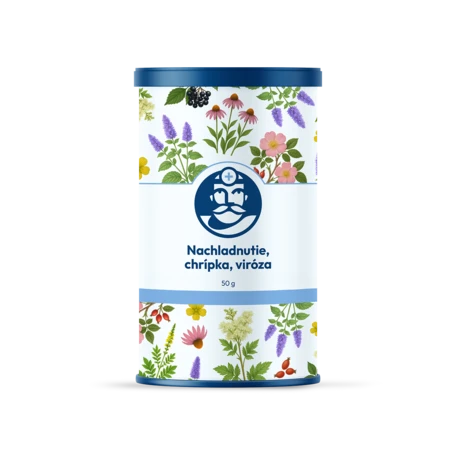
Black elderberry – probably everyone is familiar with it. It boosts the immune system and soothes nerve-related pain. It has antiviral and antibacterial properties. It keeps the airways healthy and helps to relieve inflammation, coughs and phlegm. It is excellent for sore throats and laryngitis. Wrinkled agastache is the most exotic member of our magical army of medicinal plants. It ranks among the top 50 herbs in Chinese medicine. It contains aromatic essential oils which have antibacterial, anti-inflammatory and relaxing effects. It smells of aniseed and liquorice (sweet wood). In Korean cuisine, it is often used to flavour various dishes. It boosts the immune system and alleviates fatigue and mental stress.
Agrimony, on the other hand, is one of the best-known medicinal plants in our country. It regulates the functions of the liver and gallbladder. It is used to treat gallstones and liver cirrhosis. We are particularly interested in it today for its ability to relieve a sore throat. It helps to stop bleeding, both normal (menstrual) and traumatic (nosebleeds). Purple coneflower stimulates and supports the immune system. It helps in the treatment of both acute and chronic inflammatory conditions, respiratory tract infections, tonsillitis and flu.

Rosehip is perhaps the greatest classic in our tried-and-tested tea blend. Rosehips (the fruit) are an essential staple in teas for combating colds. Yes, rosehip tea is a classic that has never let us down. During the communist era, rosehip picking was a major event, and schools would compete to see which could gather the most. Even our comrades knew that healthy rosehip tea, packed with natural vitamin C, was the best way to prevent flu-induced school closures. What’s more, it helps prevent skin ageing and aids weight loss – it speeds up the metabolism and fat burning. It supports heart health – it lowers blood pressure and improves blood flow.
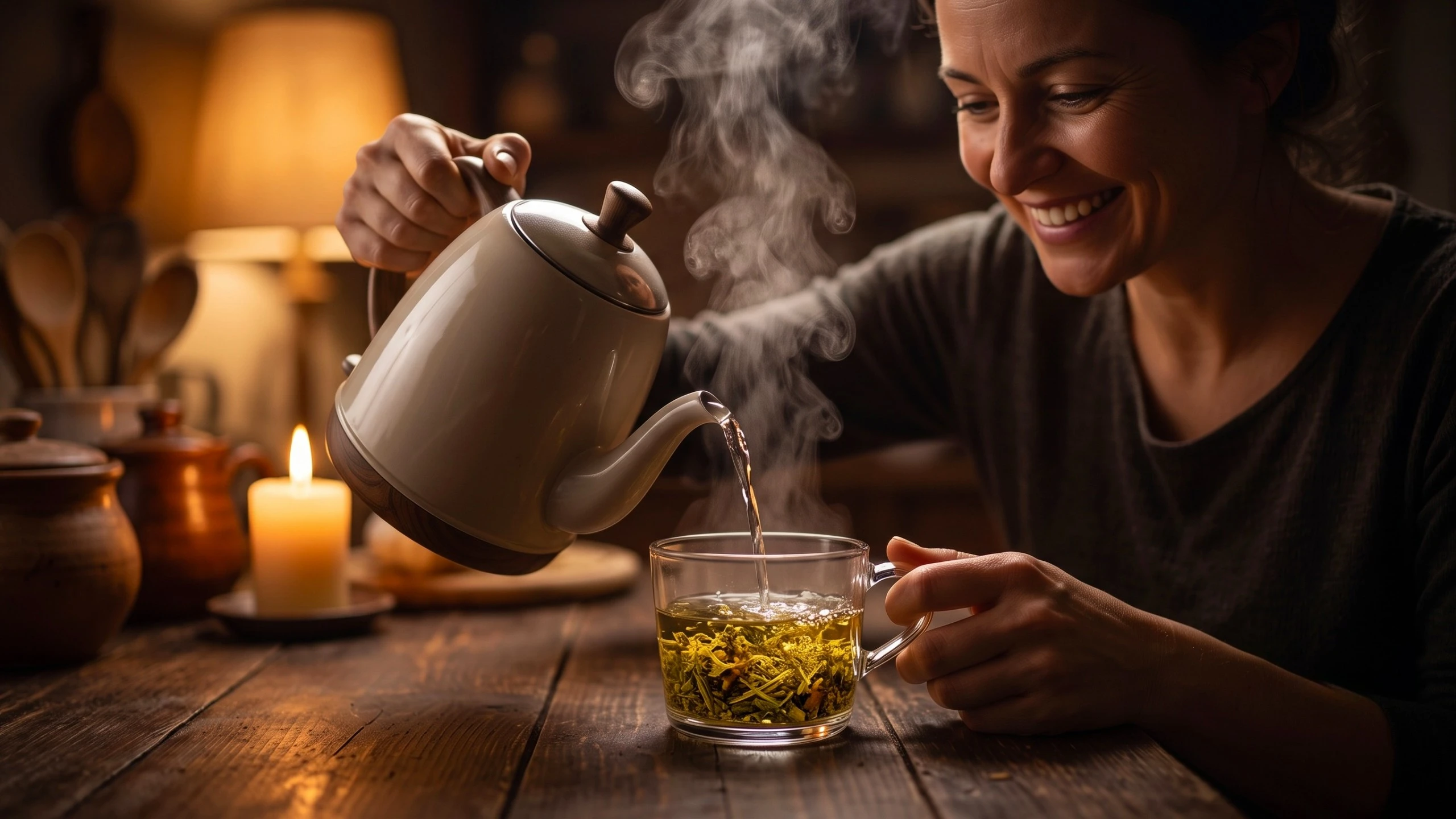
All these herbs come from organic farming. They are harvested in the High Tatras, in the vicinity of Kriváň. They are carefully selected so that, when blended, they produce a medicinal tea that is highly effective in preventing colds. And if taken whilst already suffering from a cold or a viral infection, it helps speed up recovery and alleviate the symptoms. Wisdom preserved over the centuries is reflected in the careful selection of herbs and their beneficial effects.