















The world is often reduced to a simple equation: if you feel tired, have some caffeine; if you’re lacking muscle mass, take some protein. However, the body does not function as a collection of isolated cells, but as a complex biochemical ecosystem.

Some substances work much better when combined with the right partner. We’re talking about synergy – a situation where the resulting effect isn’t just 1 + 1 = 2, but rather 1 + 1 = 3.
Here are five exceptional, yet often overlooked, pairs of dietary supplements that are well worth knowing about.
1. Ashwagandha and B-complex
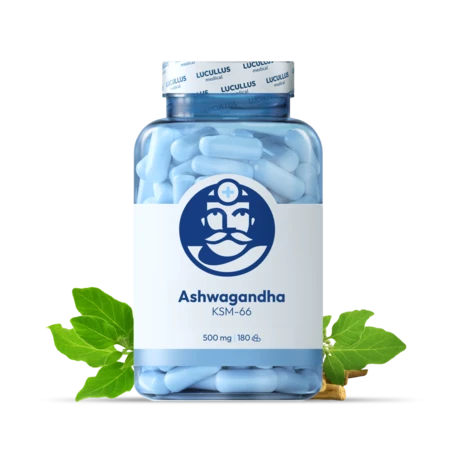
Whilst people suffering from chronic stress turn to ashwagandha and those feeling tired to a B-complex supplement, few combine the two. Yet they make an ideal pairing for an overworked nervous system.
How it works: As an adaptogen, ashwagandha directly suppresses excessive activity of the hypothalamic-pituitary-adrenal (HPA) axis and reduces circulating cortisol. This helps to relieve internal tension. B vitamins (particularly B1, B6, B9 and B12), in turn, act as cofactors in the synthesis of key neurotransmitters and provide fuel for the mitochondria.
The resulting effect: Instead of the drowsiness caused by adaptogens or the jitters caused by energy stimulants, you will achieve a state of ‘calm focus’.
Directions: Take the B-complex in the morning or with lunch (it may have a stimulating effect), and the standardised ashwagandha with dinner or before bed.
2. Electrolytes and creatine
Creatine monohydrate is one of the most extensively researched supplements in the world, yet many people simply take it with plain water and complain of stomach discomfort or water retention. The solution is to add the right ions.
How it works: Creatine works on the principle of osmotic pull, drawing water directly into muscle cells, thereby increasing their volume and promoting protein synthesis. If the body lacks sodium, potassium and magnesium, the fluid will not enter the cells but will remain in the intercellular space.
The result: Fuller muscles, greater strength, a lower risk of stomach discomfort and significantly improved performance in both strength and interval training.
Directions: Mix 3 to 5 grams of creatine with an electrolyte drink before or immediately after your workout.
3. Vitamin D3 and probiotics
Almost everyone takes vitamin D3 these days, but without a healthy gut microbiome, you’ll never realise its full potential. Combining it with probiotics creates a powerful positive feedback loop.
How it works: Beneficial gut bacteria produce short-chain fatty acids (particularly butyrate) by fermenting fibre. It is butyrate that stimulates the expression of vitamin D receptors (VDR) in the intestinal wall, enabling the body to absorb vitamin D more effectively. In turn, vitamin D repairs the tight junctions in the gut, thereby preventing leaky gut syndrome and creating a favourable environment for the further proliferation of probiotics.
The resulting effect: A stronger intestinal barrier, significantly more resilient systemic immunity and optimal levels of vitamin D in the blood.
Directions for use: Take vitamin D3 with a high-fat meal (ideally with vitamin K2); take probiotics as recommended by the manufacturer, usually in the morning or with a light meal.
4. Omega-3 fatty acids and fibre
Both of these components are the cornerstones of longevity, a healthy heart and gut diversity. Their combination is exceptionally powerful, but it requires one important rule.
How it works: Omega-3 fatty acids (EPA and DHA) act as a systemic anti-inflammatory agent and protect the vascular endothelium. Fibre helps to lower cholesterol levels and nourishes the gut microbiome. Together, they work towards the same goal: to cleanse the blood vessels and regulate fat metabolism.
What to watch out for: Soluble fibre (psyllium, glucomannan) binds to fats. If you take fish oil capsules with a glass of psyllium, the fibre will coat some of the valuable fatty acids and the body will excrete them without benefiting from them.
Directions: Make the most of their synergistic effects, but take them at different times of the day. Take the fibre in the morning on an empty stomach with plenty of water, and the omega-3 fatty acids with your main hot meal of the day.

5. Magnesium bisglycinate and L-theanine
Do you find yourself worrying at night, with an endless to-do list running through your head and poor-quality sleep? This combination is one of the most effective natural relaxants, with no risk of feeling ‘groggy’ in the morning.
How it works: L-theanine is an amino acid found in green tea which increases the production of alpha waves in the brain and inhibits excitatory glutamate. Put simply, it switches off your inner monologue and mental restlessness. Magnesium bisglycinate is a chelate compound of magnesium and the amino acid glycine. Glycine itself has a calming effect on the brain and gently lowers body temperature, which sends a physiological signal to the body to sleep. Magnesium relaxes tense muscles and activates GABA receptors.
The result: A relaxed mind and body, falling asleep more quickly and a deeper sleep phase, with no risk of dependency.
Directions: Take 150–200 mg of elemental magnesium (in the form of bisglycinate) together with 100–200 mg of L-theanine approximately 30 to 60 minutes before going to bed.
High-quality supplementation isn’t about how many tablets you take each day, but about how the individual ingredients interact with one another. By combining them correctly, you can significantly boost their effectiveness and get the most out of each supplement.