















Products Lifestyle Stores B2B
Login
€0
Shopping cart
Buy 4 products and get 15% off!

Add 4 more products to your cart and get 15% off your entire purchase!

Store localization

Soothing Magnesium (Magnesium Bisglycinate)

Magnesium is an important mineral for the proper functioning of the body. The name magnesium comes from the Greek city of Magnesia, where this element was originally discovered in 1755. It is the 8th most abundant element on earth, making up approximately 2% of the earth's crust. It has a naturally sour taste, which is also evident in mineral waters. It is found in every cell of green plants (magnesium ions are present) and also in every cell of the human body. Our body needs magnesium for more than 300 biochemical processes,such as energy production and nucleic acid synthesis, maintaining proper heart rhythm and blood pressure. It would be difficult to find a process in the body that magnesium does not influence.

Magnesium also supports heart contractions and signal transmission between nerve cells, helping to maintain balance during physical and mental stress, which is why it is often referred to as a "calming mineral". Green leafy vegetables, nuts, seeds (such as pumpkin, sesame and chia) and unprocessed grains are excellent sources of magnesium.

This mineral is essential for healthy bones, tissue formation and blood sugar regulation. A deficiency can lead to symptoms such as insomnia, nausea, fatigue, tingling in the limbs or muscle cramps, and even cerebrovascular accidents (strokes) or depression. This deficiency can also be caused by smoking, increased alcohol consumption, coeliac disease or digestive tract disorders. Since our body cannot produce it, it is necessary to ensure its intake through diet or nutritional supplements. Magnesium, more precisely magnesium bisglycinate, also known as magnesium, is a form of elemental magnesium bound to an amino acid (glycine), which gives it advantages over other forms of magnesium. This form is well absorbed and gentler on the digestive system. It is absorbed more efficiently than forms such as magnesium oxide or sulphate. Thanks to its chelate bond, it passes through the wall more easily, is less irritating to the stomach and does not cause digestive problems, making it suitable for people with sensitive digestion.

Glycine contributes to relaxation and calming of the nervous system in combination with magnesium, which regulates muscle and nerve tension, contributes to better sleep and stress reduction. Bisglycinate plays a crucial role in the production and regulation of melatonin, which isresponsible for controlling the sleep cycle. Thanks to its good absorption, it is effective in promoting muscle regeneration, preventing cramps and alleviating muscle fatigue, which is particularly appreciated by athletes.

Magnesium has anti-inflammatory properties that help relieve discomfort associated with muscle cramps. It aids in the production of glutathione, a natural antioxidant in the body that reduces inflammation and protects the lining of the intestines, thereby reducing the risk of inflammatory bowel disease. Long-term use is safe and effective in supplementing its deficiency.

Research has shown that sufficient magnesium intake reduces the risk of stroke, cardiovascular disease and high blood pressure, as it acts as a natural calcium channel blocker, which also helps to relax and dilate blood vessels. In addition to relieving tension and stress, magnesium also helps with headaches. Magnesium can also be considered a preventive measure against kidney stones and a supplement to the treatment of depression.

Magnesium is necessary for the production of serotonin, a well-known neurotransmitter that plays an important role in brain function and mental health, and also affects mood. It helps with various health problems such as cardiac arrhythmias, migraines, diabetes and its complications, premenstrual syndrome, high blood fat levels (hyperlipidaemia) and asthma. Its use is also recommended for attention disorders, cataract prevention, and it can also be helpful in quitting smoking.

What can you expect from Dr. Lucullus Magnesium? High-quality capsules that contain no additives! Studies show that daily doses of 300–400 mg are safe and effective. Our dietary supplement will meet all your needs, from improving muscle function and bone health to improving sleep quality and reducing anxiety. It helps lower blood pressure and the risk of stroke and heart disease. It also has a beneficial effect on nerve and intestinal health.

By incorporating magnesium into your daily routine, you can take a significant step towards eliminating fatigue and headaches, improving your health and well-being, as it affects not only your physical but also your mental health. 

Similar articles

Zinc: The unsung hero of your digestion Health

Zinc: The unsung hero of your digestion

When we hear the word ‘zinc’, most of us immediately think of a strong immune system, fighting acne, or healthy hair and nails. But did you know that this trace element is absolutely vital for your digestive system? Without zinc, your body wouldn’t be able to break down food properly and absorb the essential nutrients from it.

Vitamin B5 Health

Vitamin B5

Another vitamin in the B-complex group is vitamin B5 – pantothenic acid. It is both an acid and a vitamin. It plays an important role in metabolism (the conversion of substances) during the formation of coenzyme A. It is essential for the production of haemoglobin – the blood pigment that transports oxygen and CO₂ from the lungs to the organs and back.

Magnesium
Sale

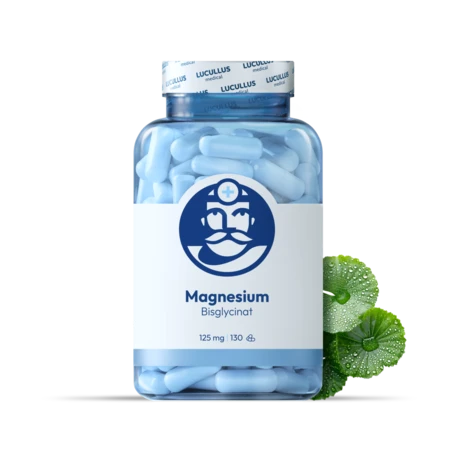
Magnesium Bisglycinat

125 mg | 130
€9.99 €9.99

Účinky

Excellent absorption and bioavailabilitySupports optimal muscle function and recoveryImproves nervous system healthSupports strong bones and teethHelps cardiovascular health
K2 as a GPS Health

K2 as a GPS

“Calcium on its own isn’t enough; it can even be harmful to your health.” What sort of conspiracy theory is this, you might think... After all, we need calcium for our bones, our teeth… but if we were to read the specialist literature, we’d find out… yes, calcium is important, but only if it knows where it’s supposed to be. Because when it wanders around the body unchecked, it can ‘park’ itself in the arteries, kidneys or joints. Calcium in the arteries contributes to their hardening (calcification), thereby increasing the risk of a heart attack, stroke or high blood pressure. This is where vitamin K2 comes to the rescue. It activates a protein called Matrix GLA protein, which ‘cleans’ the blood vessels by preventing calcium from being deposited in their walls. At the same time, it activates osteocalcin, which ensures that calcium goes where it is needed. This is precisely why vitamin K2 is essential – it acts as a GPS for calcium. With its special ability to regulate calcium transport – and not just any old way – it literally acts as a navigator for calcium, ensuring it doesn’t end up where it doesn’t belong (in the arteries), but is directed to where it’s needed: in the bones and teeth. The most effective form of vitamin K2 is MK-7 (menaquinone); although it sounds like a supporting character, it is a systems operator (the sort who doesn’t take the stage at meetings, but without whom the whole company would collapse).  Scientists aren’t exactly the sort to follow trends; they don’t always agree, but in the case of vitamin K2, also known as MK-7, they report that this vitamin has many benefits:

Zinc: The unsung hero of your digestion

Zinc: The unsung hero of your digestion

When we hear the word ‘zinc’, most of us immediately think of a strong immune system, fighting acne, or healthy hair and nails. But did you know that this trace element is absolutely vital for your digestive system? Without zinc, your body wouldn’t be able to break down food properly and absorb the essential nutrients from it.

Vitamin B5

Vitamin B5

Another vitamin in the B-complex group is vitamin B5 – pantothenic acid. It is both an acid and a vitamin. It plays an important role in metabolism (the conversion of substances) during the formation of coenzyme A. It is essential for the production of haemoglobin – the blood pigment that transports oxygen and CO₂ from the lungs to the organs and back.

Vitamin B5

Vitamin B5

Another vitamin in the B-complex group is vitamin B5 – pantothenic acid. It is both an acid and a vitamin. It plays an important role in metabolism (the conversion of substances) during the formation of coenzyme A. It is essential for the production of haemoglobin – the blood pigment that transports oxygen and CO₂ from the lungs to the organs and back.

K2 as a GPS

K2 as a GPS

“Calcium on its own isn’t enough; it can even be harmful to your health.” What sort of conspiracy theory is this, you might think... After all, we need calcium for our bones, our teeth… but if we were to read the specialist literature, we’d find out… yes, calcium is important, but only if it knows where it’s supposed to be. Because when it wanders around the body unchecked, it can ‘park’ itself in the arteries, kidneys or joints. Calcium in the arteries contributes to their hardening (calcification), thereby increasing the risk of a heart attack, stroke or high blood pressure. This is where vitamin K2 comes to the rescue. It activates a protein called Matrix GLA protein, which ‘cleans’ the blood vessels by preventing calcium from being deposited in their walls. At the same time, it activates osteocalcin, which ensures that calcium goes where it is needed. This is precisely why vitamin K2 is essential – it acts as a GPS for calcium. With its special ability to regulate calcium transport – and not just any old way – it literally acts as a navigator for calcium, ensuring it doesn’t end up where it doesn’t belong (in the arteries), but is directed to where it’s needed: in the bones and teeth. The most effective form of vitamin K2 is MK-7 (menaquinone); although it sounds like a supporting character, it is a systems operator (the sort who doesn’t take the stage at meetings, but without whom the whole company would collapse).  Scientists aren’t exactly the sort to follow trends; they don’t always agree, but in the case of vitamin K2, also known as MK-7, they report that this vitamin has many benefits:

K2 as a GPS

K2 as a GPS

“Calcium on its own isn’t enough; it can even be harmful to your health.” What sort of conspiracy theory is this, you might think... After all, we need calcium for our bones, our teeth… but if we were to read the specialist literature, we’d find out… yes, calcium is important, but only if it knows where it’s supposed to be. Because when it wanders around the body unchecked, it can ‘park’ itself in the arteries, kidneys or joints. Calcium in the arteries contributes to their hardening (calcification), thereby increasing the risk of a heart attack, stroke or high blood pressure. This is where vitamin K2 comes to the rescue. It activates a protein called Matrix GLA protein, which ‘cleans’ the blood vessels by preventing calcium from being deposited in their walls. At the same time, it activates osteocalcin, which ensures that calcium goes where it is needed. This is precisely why vitamin K2 is essential – it acts as a GPS for calcium. With its special ability to regulate calcium transport – and not just any old way – it literally acts as a navigator for calcium, ensuring it doesn’t end up where it doesn’t belong (in the arteries), but is directed to where it’s needed: in the bones and teeth. The most effective form of vitamin K2 is MK-7 (menaquinone); although it sounds like a supporting character, it is a systems operator (the sort who doesn’t take the stage at meetings, but without whom the whole company would collapse).  Scientists aren’t exactly the sort to follow trends; they don’t always agree, but in the case of vitamin K2, also known as MK-7, they report that this vitamin has many benefits:

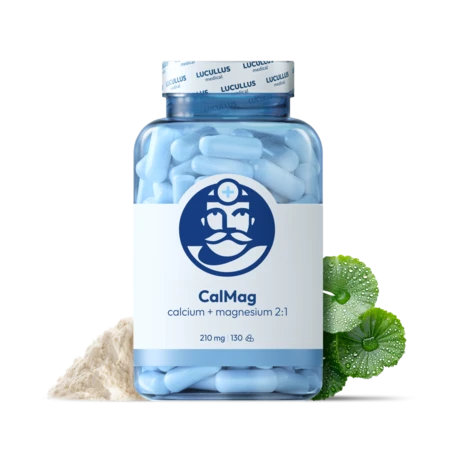
CalMag calcium + magnesium, because balance is key...

CalMag calcium + magnesium, because balance is key...

Calcium and magnesium are a dynamic duo that orchestrate the harmony of your health, from your bones through your muscles to your nervous system. They work synergistically to support various physiological functions, including cardiovascular health. CalMag is the ‘key’ not only to health, but also to vitality. 

Omega 3 protects your cardiovascular system

Omega 3 protects your cardiovascular system

There's a scene in an old movie where Grandma or Grandpa make little kids drink a spoonful of fish oil every morning. The kids hate it, it tastes disgusting. "But you'll be healthy!"- is the sentence of the caring grandparents. Where did this come from? It is still true today, except that science has managed to turn the miraculous fish oil into "ordinary" tablets or extracts with no normal taste.

Omega 3 protects your cardiovascular system

Omega 3 protects your cardiovascular system

There's a scene in an old movie where Grandma or Grandpa make little kids drink a spoonful of fish oil every morning. The kids hate it, it tastes disgusting. "But you'll be healthy!"- is the sentence of the caring grandparents. Where did this come from? It is still true today, except that science has managed to turn the miraculous fish oil into "ordinary" tablets or extracts with no normal taste.

Aronia is an underrated wonder, and here’s everything you need to know about it

Aronia is an underrated wonder, and here’s everything you need to know about it

It contains more antioxidants than blueberries, frost won’t damage it, and your immune system will love it. The black chokeberry isn’t one of the sweetest fruits, but given its health benefits, it could well be called the queen of Slovak gardens. At first glance, the black chokeberry may seem unremarkable, but it is in fact one of the healthiest berries you can find here. It originally comes from North America, where its properties were used as a remedy for colds or to make pemmican, a food with an extremely long shelf life that was prepared mainly for the long winter months. If you haven’t heard of it yet, it’s time to put that right!

Aronia is an underrated wonder, and here’s everything you need to know about it

Aronia is an underrated wonder, and here’s everything you need to know about it

It contains more antioxidants than blueberries, frost won’t damage it, and your immune system will love it. The black chokeberry isn’t one of the sweetest fruits, but given its health benefits, it could well be called the queen of Slovak gardens. At first glance, the black chokeberry may seem unremarkable, but it is in fact one of the healthiest berries you can find here. It originally comes from North America, where its properties were used as a remedy for colds or to make pemmican, a food with an extremely long shelf life that was prepared mainly for the long winter months. If you haven’t heard of it yet, it’s time to put that right!

Greater nasturtium – a beauty with the power of antibiotics

Greater nasturtium – a beauty with the power of antibiotics

Monk’s cress is an older name for nasturtium (Tropaeolum majus), whose medicinal properties were already known in the 16th century. The appearance of the flowers and the name are a reference to the traditional robes of monks. It originally grew in the Andes, where indigenous tribes used it for healing, to boost strength and to aid recovery. Later, people from across the region would visit herbalists to seek out its medicinal heritage: decoctions, ointments and teas, as they understood the secrets of nature better than anyone else. In our grandmother’s herbarium, we found a description of the capuchin flower: a flowering panacea that does no harm, only helps. Today, we too can benefit from this traditional wisdom, and its benefits are scientifically proven. If you pluck a leaf from the nasturtium, the plant immediately activates a rapid regeneration mechanism and begins to ‘heal its wounds’ and continue growing. Thanks to its wide range of bioactive compounds and nutritional benefits, it is a valuable component of natural medicine and disease prevention. Modern science has discovered a wealth of beneficial substances in its leaves, flowers and seeds. 

Zinc - the killer of fatigue

Zinc - the killer of fatigue

In addition to supplements, functioning and various supplements, our body needs to 100% and the so-called trace substances. The designation "trace" means that our body needs it only in small amounts. We need 10mg of zinc per day, which is 37 times smaller compared to magnesium (375mg). It would seem that we are talking about a complete uselessness. However, the opposite is true. Zinc affects over 200 biochemical reactions in our body!

Zinc - the killer of fatigue

Zinc - the killer of fatigue

In addition to supplements, functioning and various supplements, our body needs to 100% and the so-called trace substances. The designation "trace" means that our body needs it only in small amounts. We need 10mg of zinc per day, which is 37 times smaller compared to magnesium (375mg). It would seem that we are talking about a complete uselessness. However, the opposite is true. Zinc affects over 200 biochemical reactions in our body!

Muscles don’t grow during a workout, but afterwards. How can you kick-start immediate recovery?

Muscles don’t grow during a workout, but afterwards. How can you kick-start immediate recovery?

Does this sound familiar? You put in a tough workout, give it your all at the gym or on the running track, and look forward to seeing progress. Instead, though, the next day brings extreme tiredness, muscle soreness so bad you can’t even walk down the stairs, and the feeling that your body simply can’t keep up with the recovery.

Muscles don’t grow during a workout, but afterwards. How can you kick-start immediate recovery?

Muscles don’t grow during a workout, but afterwards. How can you kick-start immediate recovery?

Does this sound familiar? You put in a tough workout, give it your all at the gym or on the running track, and look forward to seeing progress. Instead, though, the next day brings extreme tiredness, muscle soreness so bad you can’t even walk down the stairs, and the feeling that your body simply can’t keep up with the recovery.

Load more articles
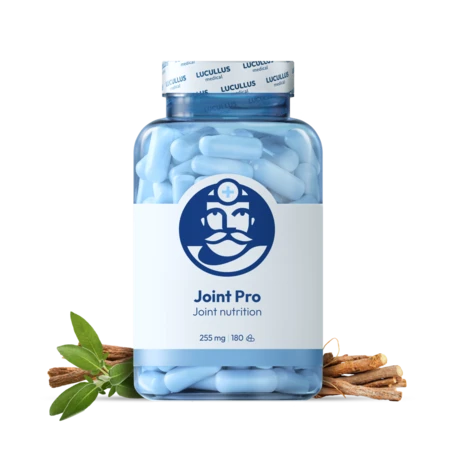
Joint Pro

Joint Pro Joint nutrition

255 mg | 180
€14.90 €14.90

Účinky

Supports joint flexibility and ease of movementReduces inflammationStrengthens connective tissuesRelieves joint painSupports overall joint health
Vitamin B6

Vitamin B6 Pyridoxine

20 mg | 60
€6.59 €6.59

Účinky

Metabolism SupportNervous System SupportImmune System BoostRed Blood Cell Formation SupportOptimized Absorption
Aminomax

Aminomax

344 mg | 60
€8.89 €8.89
L-Tryptophan + B3 + B6
Sale

L-Tryptophan + B3 + B6

283 g | 60
€5.94 €8.49
-30%

Účinky

Improved mood and serotonin productionIncreased sleep qualityReduction of stress and relaxationComprehensive support for the nervous systemNutritional balance and vitality
Newsletter

Take care of your health today

We will send you the best offers with the most advantageous prices and discounts, current news for your health.

By submitting the form, I agree to the processing of my Personal data