















If you were to analyse your diet today, you might find that, despite eating healthily, you’re not getting enough vitamin B9 – folic acid. Avocado toast may be all the rage, but unlike spinach, lentils or broccoli, it doesn’t contain much B9. Folic acid was first isolated from spinach, and although it is most commonly associated with pregnancy, its importance affects us all.

It plays a part in cell growth and tissue regeneration. Folic acid is essential for the production of red blood cells and improves the supply of oxygen to the brain, thereby directly influencing its function and performance. By promoting blood cell production, it also helps prevent anaemia. Many people know it only as part of the B-complex vitamins, but its role is much broader. It supports DNA synthesis and reduces the risk of depression and chronic fatigue. If you feel tired, both physically and mentally, have trouble concentrating and are forgetful, or are often under stress, the cause may be a folic acid deficiency. A deficiency can also cause other conditions such as: dizziness, headaches and weakness, inflammation of the tongue and gums, diarrhoea, shortness of breath and mouth ulcers. It can also lead to memory problems and ‘brain fog’, an increased risk of heart disease, and hair loss. There is also a higher risk of congenital defects in newborns. And what are the top foods containing folic acid? Leafy green vegetables, spinach, asparagus, broccoli, pulses, yeast and liver are the richest sources. The problem is that much of it is destroyed during cooking. It is therefore recommended to take supplements, particularly during pregnancy. But it is also a fact that men need it just as much as women. Although it is most often discussed in relation to pregnancy, folic acid is also important for men. It plays a role in sperm production, and a deficiency affects fertility. Some studies even suggest that it may reduce the risk of Alzheimer’s disease and promote a positive mood, as it contributes to the production of serotonin (the ‘happiness’ hormone). Folic acid and the brain – it is essential for the production of neurotransmitters that influence our mood, memory and concentration. Low levels of folic acid are associated with a greater susceptibility to depression and mood swings. Studies have even shown that folic acid enhances the effects of certain antidepressants.

Folic acid acts as a protector of the heart, as higher levels of homocysteine in the blood are a risk factor for cardiovascular disease. Folic acid helps to keep homocysteine levels within the normal range, which reduces the risk of heart attack and stroke. Nature has incorporated folic acid into many foods, but the modern diet is gradually replacing it. Despite its importance, a large proportion of the population suffers from a deficiency without even realising it. An adequate intake of this vitamin slows down the ageing process and promotes the growth of strong, healthy hair. It ensures cell regeneration, which has a positive effect on the health of the skin, hair and nails. Persistent tiredness, loss of appetite or digestive problems may indicate a folic acid deficiency. This vitamin plays a role in the absorption of nutrients and the proper functioning of the digestive system. Research has shown that regular intake of folic acid can help with kidney diseases (it alleviates their symptoms and also acts as a preventative measure) – the kidneys filter harmful substances from the blood, and if they do not function properly, homocysteine can build up in the body, increasing the risk of various health problems. Furthermore, this vitamin has been shown to support better regulation of blood sugar levels and reduce insulin resistance, which is particularly important for people with diabetes. Interestingly, low levels of this vitamin may be one of the factors contributing to restless legs syndrome – an unpleasant condition that causes a constant urge to move the legs, particularly at night, thereby disrupting sleep. Taking folic acid supplements may help alleviate these symptoms and improve the quality of night-time rest. Studies suggest that folic acid helps reduce the risk of certain types of cancer, particularly bowel, breast and cervical cancer. It is also important for the proper functioning of the immune system, which is particularly beneficial for children, helping them to defend themselves against infections and illnesses.
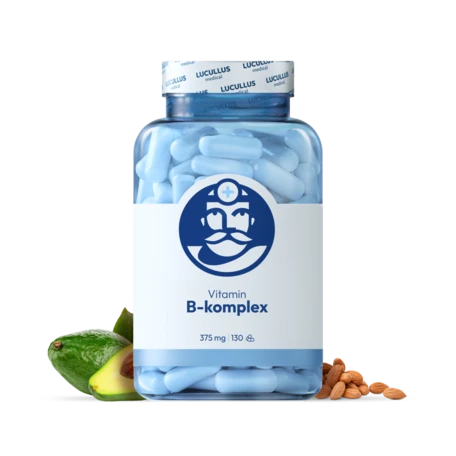
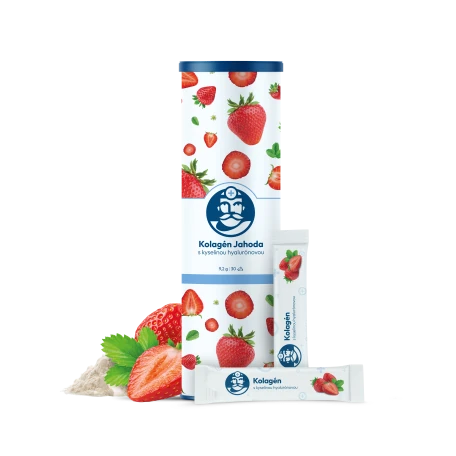
So perhaps it’s time to add more leafy greens to your plate, or try the B9 supplement from Dr Lucullus. This simple step can improve not only your health but also your mood, look after your heart and support brain function. Vitamins from nature are little miracles that protect us, and folic acid is one of the biggest stars among them.