















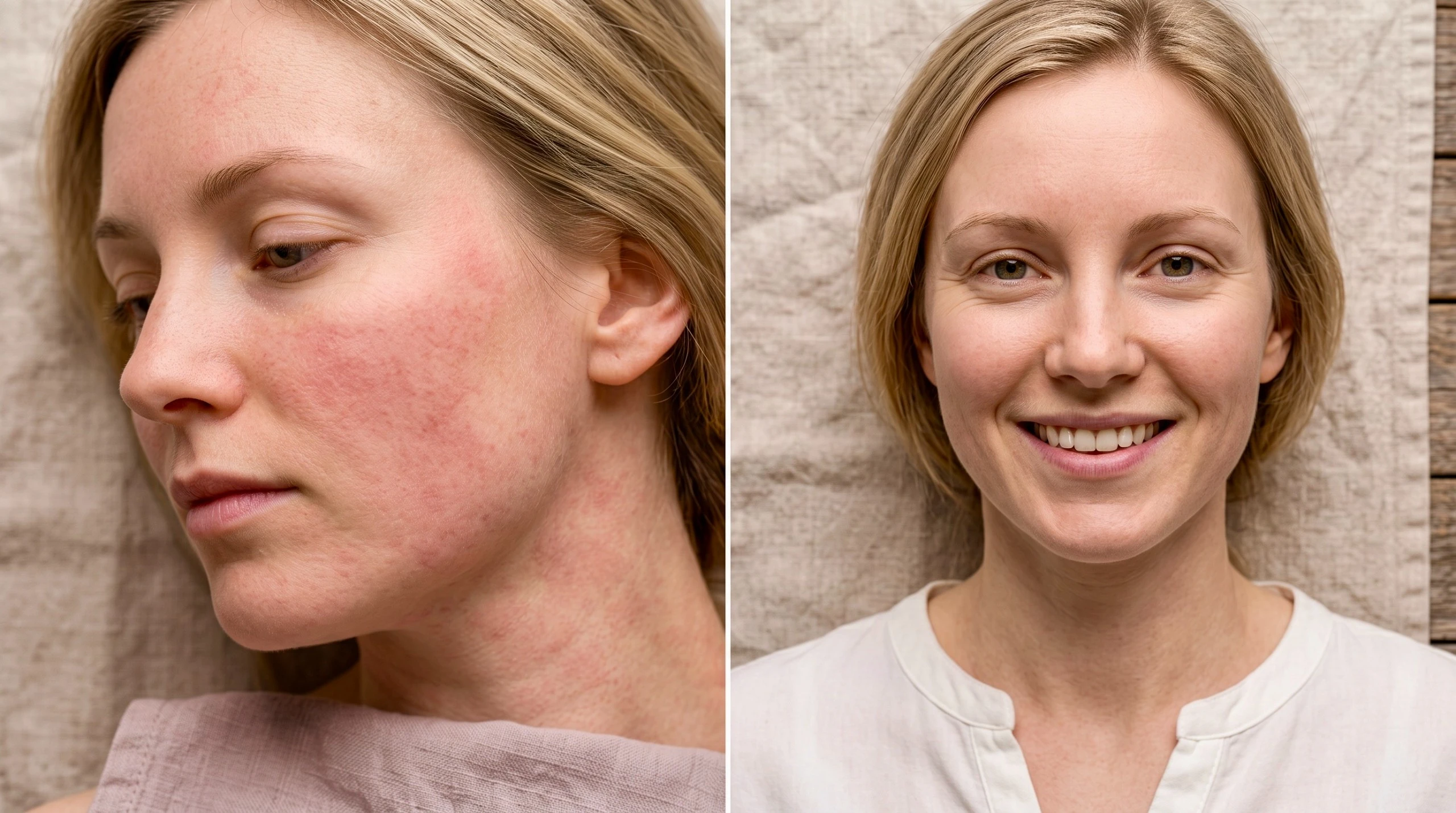
A blocked nose, unexplained sneezing, red patches on the skin or stomach cramps after a seemingly harmless lunch. If these symptoms sound familiar, you’ve probably already come across the terms ‘seasonal allergy’ or ‘histamine intolerance’ (HIT).
Although they manifest themselves in a similar way on the outside, they follow different pathways within the body. To understand how to combat them without unnecessarily suppressing the body’s natural defences, we must first look at why histamine causes problems in the body in the first place – and why a single ingredient in dietary supplements is rarely enough on its own.
Allergy vs. HIT: Where does the histamine chaos originate?
Histamine is not a toxin foreign to the body. It is a key neurotransmitter and signalling molecule. It stimulates brain alertness, regulates the production of gastric juices for proper digestion and acts as the immune system’s first line of defence. The problem only arises when the balance is upset and an excess of histamine builds up in the body.
This occurs in two main ways:
1. Allergic reaction (a problem with immune cells): Immune cells (particularly mast cells) mistake a harmless stimulus – such as pollen, dust or animal hair – for a dangerous enemy. They immediately spring into action and release massive amounts of histamine directly into the surrounding tissues. This results in swollen mucous membranes, a runny nose and watery eyes.
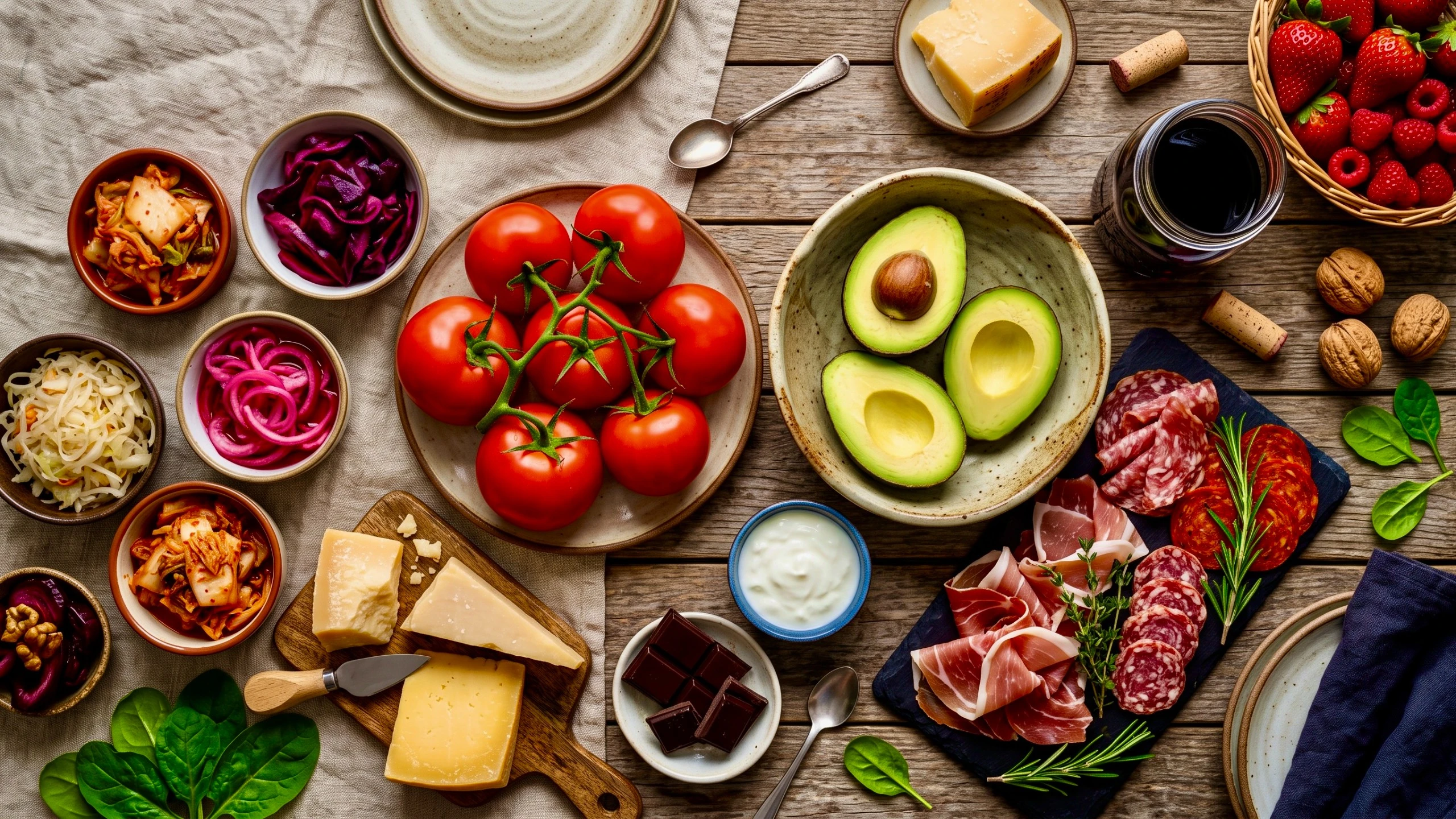
2. Histamine intolerance (Digestive and metabolic problem): HIT is not primarily characterised by a violent reaction of mast cells, but by the gut’s reduced ability to break down histamine. The enzyme diamine oxidase (DAO) is either absent or does not function properly. When you eat a food rich in histamine (mature cheeses, tomatoes, wine, fermented foods), the body cannot break it down quickly enough; the histamine enters the bloodstream and triggers digestive cramps, migraines or palpitations.
Whilst modern medicines (antihistamines) play an indispensable role in the treatment of acute allergy attacks, and a low-histamine diet is essential for HIT, an increasing number of people are seeking long-term, comprehensive support to help keep histamine levels in check naturally.
Core ingredients: Quercetin and bromelain
In natural care for a hypersensitive body, the combination of a bioflavonoid and a plant enzyme has proved to be a cornerstone:
Quercetin (plant-based shield): A powerful flavonoid found, for example, in Japanese pagoda trees, onions and apples. In laboratory tests, it acts as a natural stabiliser of mast cells. Think of it as a protective layer that prevents mast cells from exploding at the slightest stimulus and flooding the body with histamine. It has a preventative effect, helping to reduce inflammatory reactivity even before the problem fully develops.
Bromelain (an enzyme found in pineapple): It is valued in its own right for its ability to reduce swelling and relieve inflammation in the sinuses and airways. It also breaks down proteins in the body and aids the digestive tract, thereby facilitating the digestion of food. At the same time, it forms an excellent combination with quercetin, whose absorption and overall effectiveness in the body it supports.
Why two ingredients aren’t enough: The power of a comprehensive herbal complex
Histamine overload is not an isolated process; it irritates the digestive tract, puts a strain on the liver and maintains a hidden state of micro-inflammation in the body. If a natural treatment is to be truly effective, it requires a broader synergy than just quercetin and bromelain on their own.
New-generation plant-based complexes are therefore based on the synergy of several tried-and-tested ingredients:
Stinging nettle: A traditional herb with proven anti-inflammatory properties, which promotes long-term mucus clearance and helps to soothe irritated airways.
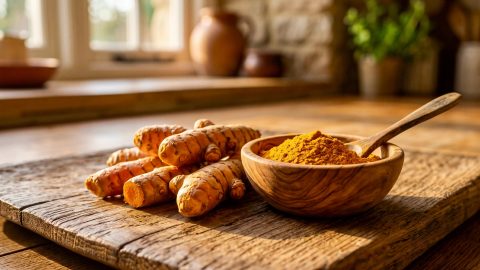
Ginger and curcumin: A pair of powerful natural antioxidants that directly target chronic inflammation and support the health of the digestive tract, where a large proportion of histamine metabolism takes place.
Rutin and natural vitamin C (from rosehips): Rutin strengthens the walls of blood vessels and, together with vitamin C, acts as an antioxidant shield that protects cells from oxidative stress associated with immune responses.
Moringa: A nutritionally rich plant extract that provides the body with the micronutrients it needs to regenerate the mucous membranes.
When these substances act together, they do not merely block a single process, but comprehensively strengthen the resilience of the mucous membranes, aid digestion and dampen the body’s systemic response to stress.
How should histamine support be approached in practice?
Think ahead: Natural flavonoids and herbal extracts do not act as a quick fix for an acute reaction that is already underway. Their power lies in the gradual saturation of tissues and the stabilisation of cells. It is recommended to start taking them a few weeks before the pollen season, or for a longer period if you know you have a histamine hypersensitivity.
Don’t underestimate the importance of your diet: no supplement can replace cutting out high-risk foods if you suffer from HIT. Supplements act as a protective barrier and help to support tolerance; they are not a licence to eat high-risk foods.
Be aware of interactions: If you are taking blood-thinning medication (e.g. warfarin) or are allergic to pineapple, please take care – enzymes such as bromelain slightly reduce blood clotting.
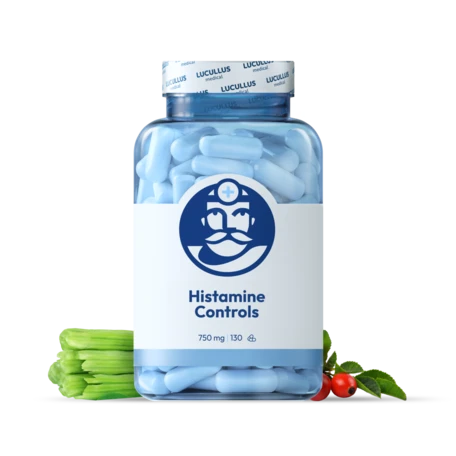
A comprehensive approach combining mast cell stabilisation, antioxidant protection and digestive support offers a modern, gentle solution. It is precisely this broad-spectrum synergy of quercetin, bromelain, nettle, curcumin and other herbs that the Slovak dietary supplement Histamin Kontrol from Dr LUCULLUS is based on, offering a comprehensive solution to the daily struggle with histamine overload.