If you ask any athlete (especially endurance athletes) what nutritional supplement they always have with them for competitions, the most common answer will be "magnesium". Magnesium is definitely one of the most important minerals for our body. It is a so-called "deficiency" mineral because we excrete it from the body during excessive exertion, but also when we are not exercising! Just living in a noisy, stressful, demanding environment is enough...
Reishi, a mushroom used as far back as 4,000 years ago. The divine mushroom of immortality – in the past, it was believed to be able to revive even the dead. It has a particularly important place in Chinese medicine (under the name lingzhi), where it was first mentioned in writing 200 years before Christ. An entire army was assigned to search for it, because the Chinese imperial court believed that it could be used to mix an elixir of immortality. The Slovak name probably does not mean much to you - Leskokôrovka hnedočervená, it is actually a wood-destroying parasitic fungus that lives mainly on injured trees. It has a huge spectrum of biological substances. Its effects are also described in the professional encyclopaedia Huby ako .
Apple cider vinegar is one of the most popular natural products with a wide range of health benefits. Apple cider vinegar has been sought after for centuries for its health effects, including promoting digestion, regulating weight, maintaining stable blood sugar levels, and improving cardiovascular health.
Imagine that your body is a factory working at full capacity (to provide energy, growth, cell repair) and iron is the fuel that keeps it running. If iron reserves are depleted, you may experience weakness, heart palpitations or paler skin. Symptoms of iron deficiency include brittle nails, dry hair, shortness of breath, sleep problems, reduced concentration, cold extremities, increased frequency of infections, and anaemia (a lack of red blood cells caused by too little iron in the body), which manifests itself as extreme fatigue. With anaemia, the body is not supplied with enough oxygen and quickly becomes exhausted. Bruising can also be a sign of iron deficiency, as this mineral is important in the formation of haemoglobin, which supports the proper functioning of blood platelets.
Since time immemorial, people have sought out miraculous herbs and mushrooms that promote health, cure deadly diseases and enhance male potency. Every culture has its own guaranteed aphrodisiacs. In our country, oysters and chocolate are particularly well known. Recently, however, especially with the development of tourism, we are gradually learning about other stimulants that people use, often on the other side of the planet. One of the oldest substances for promoting potency is Peruvian maca.
In addition to supplements, functioning and various supplements, our body needs to 100% and the so-called trace substances. The designation "trace" means that our body needs it only in small amounts. We need 10mg of zinc per day, which is 37 times smaller compared to magnesium (375mg). It would seem that we are talking about a complete uselessness. However, the opposite is true. Zinc affects over 200 biochemical reactions in our body!
If you are active on social media, you are surely familiar with the term milk thistle. It is the phenomenon of 2024, with advertisements for this "miracle herb" everywhere you look. Unlike other dietary supplements, no one questions the effects of this plant. Opinions differ only on individual products and methods of processing. What is so miraculous about this thistle?
Have you heard about this fascinating fungus with its peculiar appearance and way of existence? The names „Chinese caterpillar, Himalayan gold or mushroom of longevity“ do not reveal much ...
You certainly know the feeling when you feel threatened. A big dog ran at you from behind the fence, your boss plowed into you in a meeting and carried you under the ground, or your mortgage is due tomorrow and you just got fired from your job. In such cases, the body produces a steroid hormone - cortisol. This already protects us in dangerous situations and the body prepares the "fight or flight" position. The heart pumps, blood rushes to vital organs, pain levels suppress... You say to yourself - the most useful thing under the sun!
There's a scene in an old movie where Grandma or Grandpa make little kids drink a spoonful of fish oil every morning. The kids hate it, it tastes disgusting. "But you'll be healthy!"- is the sentence of the caring grandparents. Where did this come from? It is still true today, except that science has managed to turn the miraculous fish oil into "ordinary" tablets or extracts with no normal taste.
In addition to the well-known B-Komplex mix of B vitamins, individual vitamins can also be purchased as salt. What is it good for? The well-known set of B vitamins is a good nutritional supplement, you have an overall vitamin deficiency in the body. However, if you are not addressing a specific problem, sometimes the specific type of vitamin you need to supplement is more appropriate. So why is vitamin B2 needed?
Vitamin B1 belongs to the B1 to B12 groups, which we refer to collectively as the B complex. All vitamins in this group should be supplemented under this name. But do I only need one of them? You need the whole group – the most important vitamins from the B group can be obtained separately.
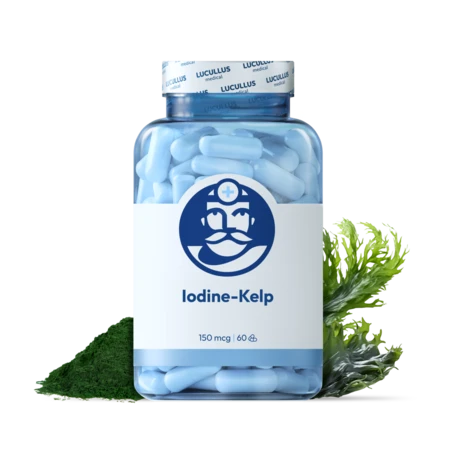
Iodine is a trace element, with an interesting role in health, which we associate with the thyroid gland. It occurs naturally in the marine environment and one of the richest natural sources of iodine is kelp seaweed, also known as "Bladderwrack, Norwegian Laminaria," which has been used in traditional medicine and cuisine for centuries. Kelp can absorb large amounts of iodine directly from the ocean. The body needs iodine to produce thyroid hormones, without which much more would not work ... our metabolism would not function properly, we would have little energy, and our minds would be dull.
Sometimes it seems at first glance that we have everything under control, but the reality is often different. "Liters" of coffee, fast food between duties, endless deadlines, constantly ringing phones. The result is fatigue, problems with concentration, forgetting even simple things, moods changing faster than the weather, and nights full of tossing and turning, as if our mind is running at a minimum. In a hectic pace, we do not realize the importance of proper nutrition. The good news is that nature can save us, in nature everything can be in harmony if we combine it from nature, it is a mysterious duo of choline and inositol.It is an ideal combination not only for the body but also for a tired mind, which is calling for help. Although many are unaware of them, choline and inositol work in every cell of our body, keeping our brain in shape, liver clean, and nerves strong. Their effects were discovered relatively recently. Why should we pay attention to these nutrients?
Histamine is often perceived negatively, especially for its role in allergic reactions and intolerance. As with many things in life, black-and-white thinking is not suitable for this biogenic amine. As a neurotransmitter, it participates in many critical processes. In defending the body, for example, it supports the enlargement of blood vessels, making it easier for immune cells to access the site of inflammation. At the same time, it stimulates the production of gastric juices (essential for food processing), regulates the sleep cycle, controls appetite, and plays a role in learning, memory, and emotions. Histamine naturally occurs in the human body, and its balance is crucial for health. In the digestive system, it's broken down by the enzyme diamine oxidase. However, if histamine intake is greater than the body can break down, histamine intolerance develops. This imbalance can be caused by stress, poor lifestyle, medicines, or other factors. Excess histamine can lead to unpleasant symptoms, often resembling food allergies or digestive issues. It's essential to understand histamine as an important helper in our body.
Cordyceps sinensis – this is our zombie predator. In China, they call it "winter insect, summer herb". Imagine a fungus that shoots out its spores (seeds) during reproduction in summer, which then attach themselves to the body of an insect. It gradually overgrows the insect's body and parasitises it, literally eating it from the inside, while the insect continues to live, changing its external appearance but continuing to hunt for food until it burrows underground, where it dies and mummifies. The fungus can survive in it for a long time. The fungus literally takes over the host's body, growing out of it in the summer and forming slender "sticks" 5-20 cm high. This inspired the Last of Us video game series, where the Cordyceps fungus turns humans into zombies. In real life, this video game takes place in the real life of insects. The victims are butterfly larvae, large ants, spiders...
Vitamin B3 - niacin, perhaps also known to the elderly as P. It belongs to the group of B vitamins found in the multiform B-complex. It is a very important group that you need for the proper function of eyesight, mucous membranes, skin, heart... You need it for the proper functioning of heart, muscle and nerve activity.
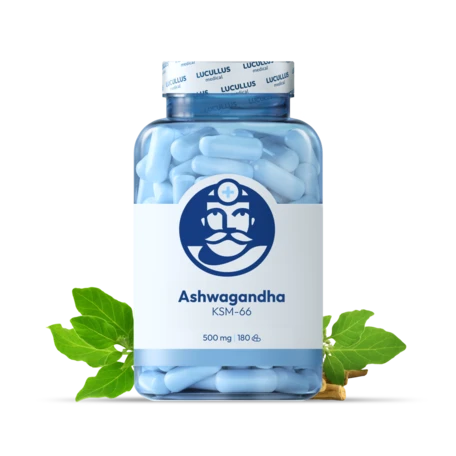
“Ashwa” (horse) “gandha” (root smell), the name itself hints at the plant's ability to grant strength and vitality (the strength of the animal hidden in the root). Known as “Indian ginseng” (similar shape), and “winter cherry root” (fruits resemble cherries). From the small shrub with yellow flowers, the root is mainly used in traditional medicine. Due to its calming effects, it's significantly known as the Sleep or Dream Berry. The Latin name somnifera also reveals its property ; invoking sleep.
Lady's mantle is a perennial herb that originates from England but has spread throughout the world. Its leaves and flower tops have been used for centuries to relieve menstrual problems, which is why it is often called "woman's cloak". However, it is also suitable for men, effectively helping with pain, laryngitis, bleeding gums or as a gargle for laryngitis. Its name comes from the Arabic word al-khimia. Alchemists tried to make gold from various metals, but also to discover ordinary things. One of the secret ingredients in the production of gold was water captured in the leaves of this plant. As far as we know, it didn't help...
Vitamin A - Retinol, was discovered in 1916. But only 15 years later its chemical structure was determined. And it took another 15 years before we learned to produce it synthetically (in the form of acetate). It's quite rare in dietary supplement stores, which is odd because a lack of it can lead to even gray-blindness.
Do you long to wake up with ease in the morning, look fresher, not feel joint pain, have more energy, be able to focus, and feel better in your body? We could find the solution from fishermen who got up earlier than the sun each morning, went out to the sea, and greeted the new day with a smile. These were men who never knew the doctor, had sharp minds even in old age, their hands still firmly held the fishing nets and they lived functional longevity, often working into their 90s. The fishermen's treasure was exactly fish oil, which works similarly to a lubricant for our body: it helps the heart pump blood, keeps the mind fresh, and joints flexible, without it, the joints would be like an old creaking ship. The message that the sea gives us what we need was conveyed to future generations because some gifts of health are too precious to keep to oneself.
It is not by chance that it is referred to in various countries as the "mushroom of immortality" and the "mushroom of eternal life". In Japan, "Reishi" means "spiritual power". In China, it is known as "Lingzhi", which means "divine mushroom". It is one of the most valuable mushrooms in traditional medicine, used to treat chronic diseases and recognised for over 4,000 years for its powerful effects (similar to women) documented in ancient books. It is also called the "mushroom of happiness" for its ability to relieve ailments such as arthritis, insomnia, pressure pain, persistent weakness, high blood pressure, heart problems, dizziness, mushroom poisoning and diseases...
Tribulus terrestris is a small, inconspicuous plant with yellow flowers, essentially a weed that has spread from China and Japan throughout the world. Today, it is even cultivated in gardens for its effects on the human body. It is known in Ayurveda and ancient Greek medicine. Abroad, it is known by the names goat's head, devil's thorn, burra gokharu, and in Ayurveda as gokshura. For centuries, it has been used as a miracle cure for infertility, impotence, and erectile dysfunction. It is simply a testosterone booster!
Dandelion (Latin: Taraxum officinale, also known as milkweed, creamweed, Mayflower) is a weed that is familiar to everyone and found everywhere (especially if nothing else grows overnight on a perfect green lawn, it will even grow in a crack in the asphalt). First and foremost, it is a medicinal plant in the herb long its. The milk ducts contain a white sap that hardens in the air and leaves coloured stains on your hands. Dandelion seeds can travel a kilometre. It is one of the longest flowering plants, and the whole plant is edible, but with a rather unpleasant bitter taste.
Up to 80% of new cells are located in the intestines. Are you surprised by this information? The intestines and the balance of microbiota play a fundamental role in the proper functioning of the immune system. A specific and balanced microbiome supports immunity, preventing harmful substances from entering blood cells and teaching immune protection.
Vitamin C is probably the best known and most widely used vitamin. Since childhood, our mothers have been giving us effervescent Celaskon in winter to make us resistant to colds and flu. And although recent research casts doubt on all this, i.e. there is no study that directly confirms that vitamin C protects against flu and colds, there are facts that cannot be disputed.
originates from the Latin word " Alchemilla " related to alchemy. Alchemists believed in the miraculous power of water droplets on its leaves "heavenly water," (symbolized purity and nature's mystery), which were supposed to help them achieve eternal youth or transform a common metal into gold. They paid great attention to lady's mantle, which led not only to its naming but mainly to the discovery of its medicinal effects. The present relies on proven health benefits this medicinal plant offers.
It is said that whoever finds a weight loss pill will become the richest person on the planet. This makes sense, as a huge number of people on our planet struggle with excess weight. According to statistics from the World Health Organisation, one in eight people are obese. And more than 2.5 billion people are overweight! So do we have a weight loss pill? Well, yes and no...
Niacin was long considered a mere part of the diet until it was discovered that its deficiency causes skin, digestive, and mental problems known as pellagra. Doctor Goldberger proved that the cause of this disease is not an infection but a one-sided diet without vitamin B3. He conducted an experiment on himself and his colleagues, who consumed exclusively poor diets and began to show symptoms of pellagra. However, when they added nutrients rich in niacin to their diet, the symptoms disappeared. In 1937, niacin was isolated from the liver, confirming its importance and nutritional value.
Magnesium is an important mineral for the proper functioning of the body. The name magnesium comes from the Greek city of Magnesia, where this element was originally discovered in 1755. It is the 8th most abundant element on earth, making up approximately 2% of the earth's crust. It has a naturally sour taste, which is also evident in mineral waters. It is found in every cell of green plants (magnesium ions are present) and also in every cell of the human body. Our body needs magnesium for more than 300 biochemical processes,such as energy production and nucleic acid synthesis, maintaining proper heart rhythm and blood pressure. It would be difficult to find a process in the body that magnesium does not influence.
Choline and Inositol - two words you probably haven't heard before. In terms of supplements, however, these are important B-group nutritional supplements, which are actually vitamins. These substances are very similar to vitamins and support liver function and lipid metabolism, i.e. fat metabolism. Choline is a water-soluble vitamin. It is found in lecithin, which is common in many plant and animal tissues. Choline is a precursor to the neurotransmitter (i.e. transmitter) acetylcholine, which is involved in many memory and muscle functions.
We can probably agree that the female body and its hormonal balance is more complicated than the male body. A woman's monthly female cycle, among other things, has a significant impact on her. It is therefore much more important to monitor all the necessary substances and hormones if a woman wants to live a balanced, happy life, both health-wise and mentally.
This natural supplement contains a lesser-known plant called wild yam (Discorea villosa) from the Dioscoreaceae family. Let's get to know it ☺ There are more than 600 species of yam plants, the most prominent being wild yam (Dioscorea villosa). This hardy liana (vine) of equatorial regions has heart-shaped leaves. The leaves and roots contain diosgenin (the primary component), and it is the root that is used in medicine and in our supplements as a concentrated extract (highest yield), with a structure similar to cholesterol. This substance was used to produce the first contraceptive bases.
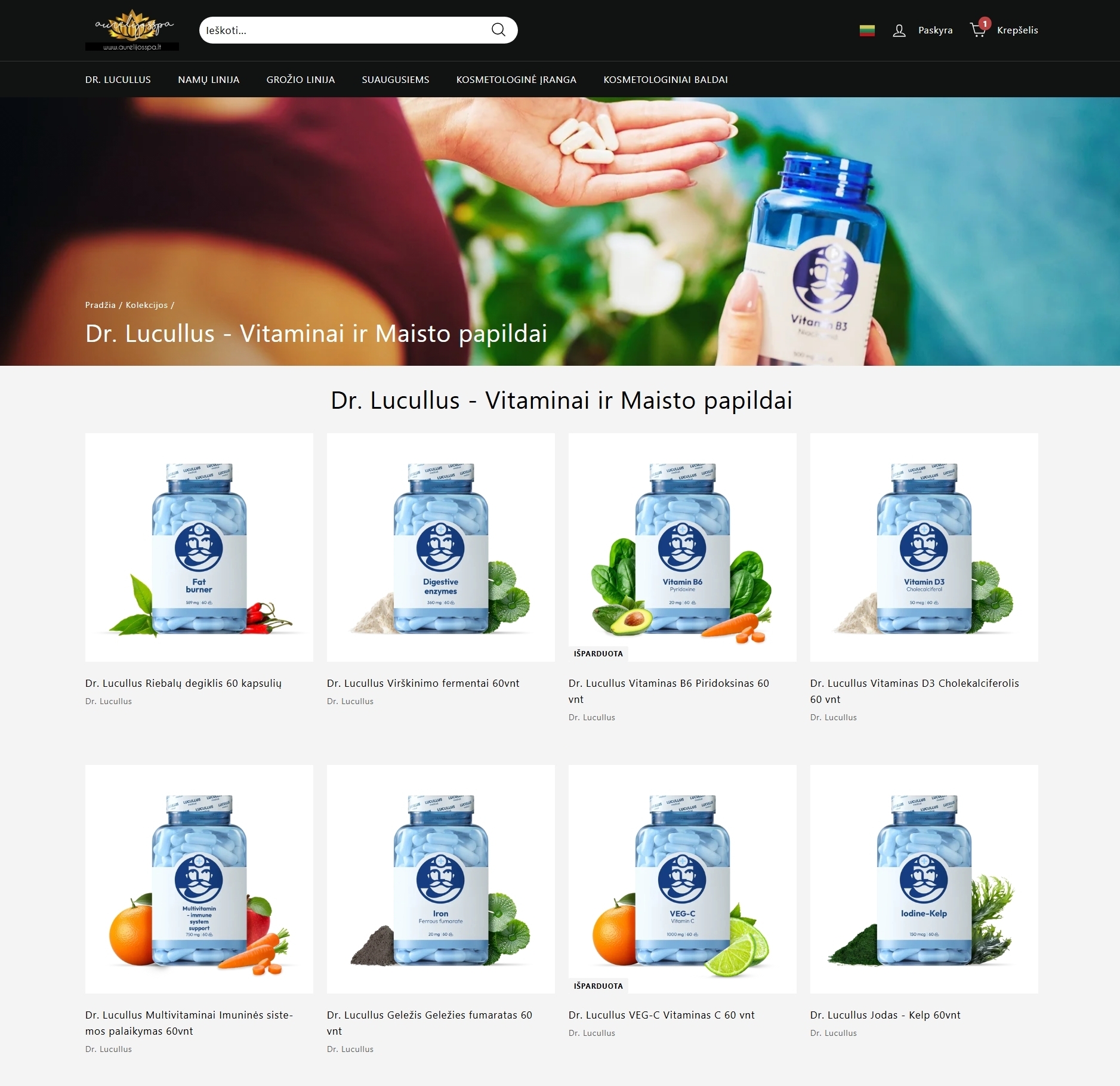
Explore the contents of this health-promoting mixture and how it works. It ensures better mobility, which is (by far) not all. Joint Pro improves a whole range of health specifications, including inflammation, pain, stress resistance and antioxidant capacity. Dr. Lucullus joint nutrition is designed for prevention and especially for athletes (reduces weakness, strain), seniors (addresses limited mobility - arthritis and arthrosis), people after injuries (rapid regeneration), overweight people (strengthens joint resistance), young people (relief from stiffness, support for development).
I remember the word "békomplex" very well from my childhood, but I never really knew what it meant. Younger people probably associate this word with drum & bass, because the name B-Complex is used by Slovak DJ and producer Matúš Lenický (hit Beautiful Lies). Strictly speaking, B complex is a group of vitamins B1 to B12.
Did you know that sulphur is just as essential for our bodies as vitamins and minerals? One of its most important sources is a substance called methylsulfonylmethane, or MSM for short. Although the name sounds like something out of a chemistry textbook, it is a natural substance that is essential for the proper functioning of the body. MSM occurs naturally in the blood, tissues and organs, where it supports substances such as the amino acids glutathione, cysteine and methionine. This organic sulphur compound, also known as organosulphur, is extremely effective in combating oxidative stress and inflammation and in regenerating the body. It can be sourced from natural foods. Organosulphur compounds, such as allicin in garlic, have a wide range of health benefits, and MSM is unique in that it offers comprehensive support from joint health to immunity boosting.
Why + C + hyaluronic acid? In short, it is an elixir of youth, characterised by three powerful antioxidants. The combination of these ingredients increases health benefits, and not just for the skin (as it may seem). Even in youth, the amount of hyaluronic acid increases. This trio helps to safely replenish and improve the health of the skin on the face, bones, joints and veins, making them firm and strong. Vitamin C is necessary for biosynthesis (and conversion) and effective utilisation. Let's break it down into small pieces, because here too, everything is literally connected...
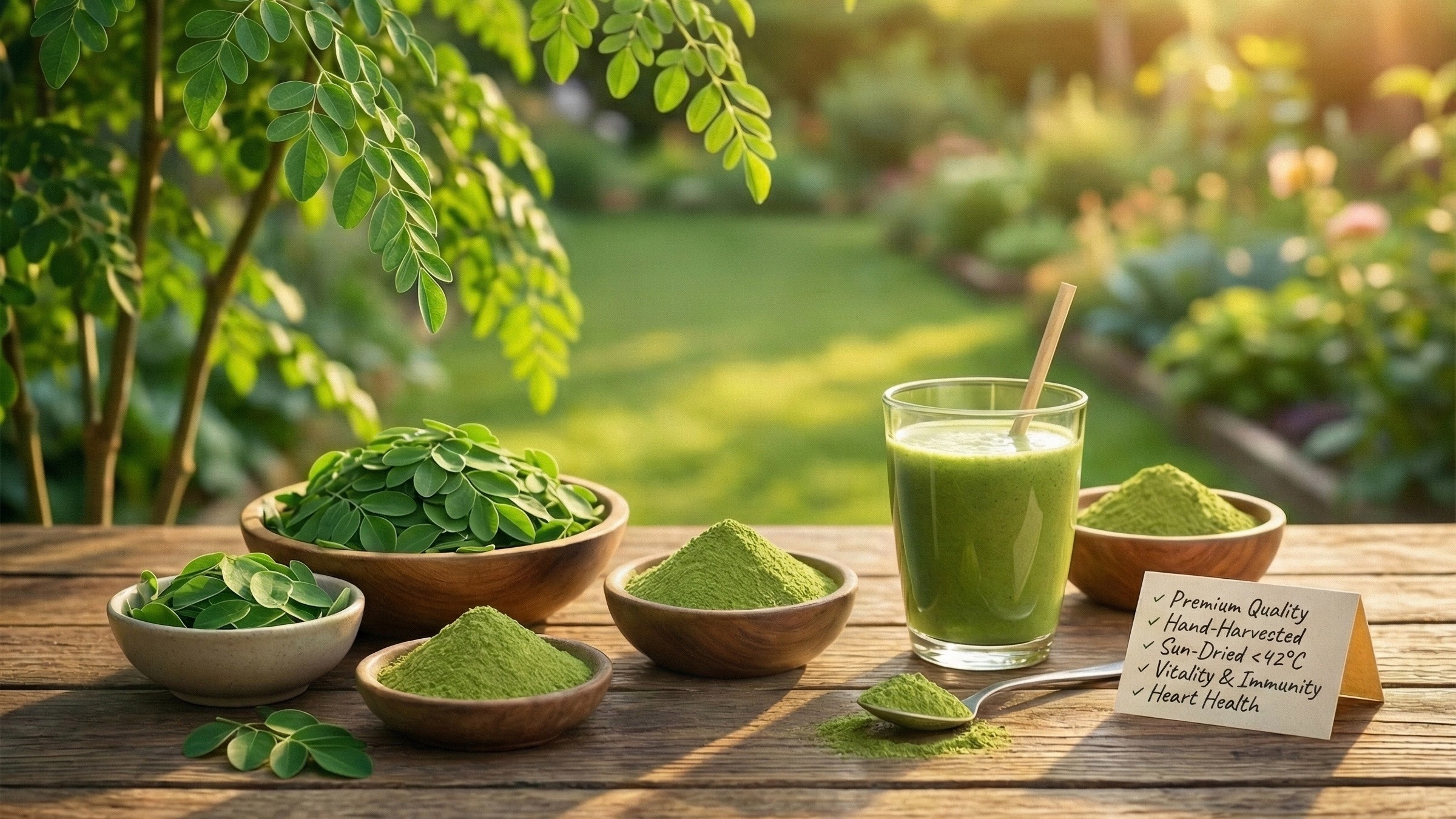
Dr. Lucullus stresses that there is no "moringa" like "moringa", we take pride in the fact that our natural nutritional supplements are of premium quality. We care about the content, purity and potency of the ingredients that contribute to your health. We explain why: By gently processing the leaves into a superfood powder, we ensure its stability, protection and longer shelf life.
In today's world, where we are subject to daily stress, it is increasingly important to supply the body with the power of nature. Male Vitality is a supplement made from the most effective plants. A unique formula tailored to the needs of modern men and their active lifestyles. For more energy and increased performance at work and elsewhere, so that you can fully enjoy all the adventures that await you.
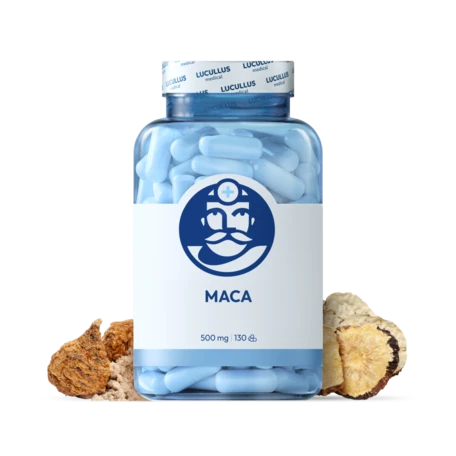
This remarkable plant (Lepidium mayenii) from the Peruvian Andes, where it is grown at extreme altitudes (4000 m a.s.l.). It is incredibly resilient and can survive and grow in conditions where most other plant species would not survive, such as low temperatures, strong winds, and intense UV radiation. Its ability to adapt to harsh environments enriches it with nutrients and substances that positively impact the human body, enhancing resistance to both physical and mental stress.
If you are one of those people who dislike swallowing tablets, you have probably faced the dilemma of which nutritional/vitamin product you need. If you want to be thorough, you would have to swallow several tablets every day. That is why combinations that provide you with these can help. One of them is a combination of calcium and magnesium: CalMag.
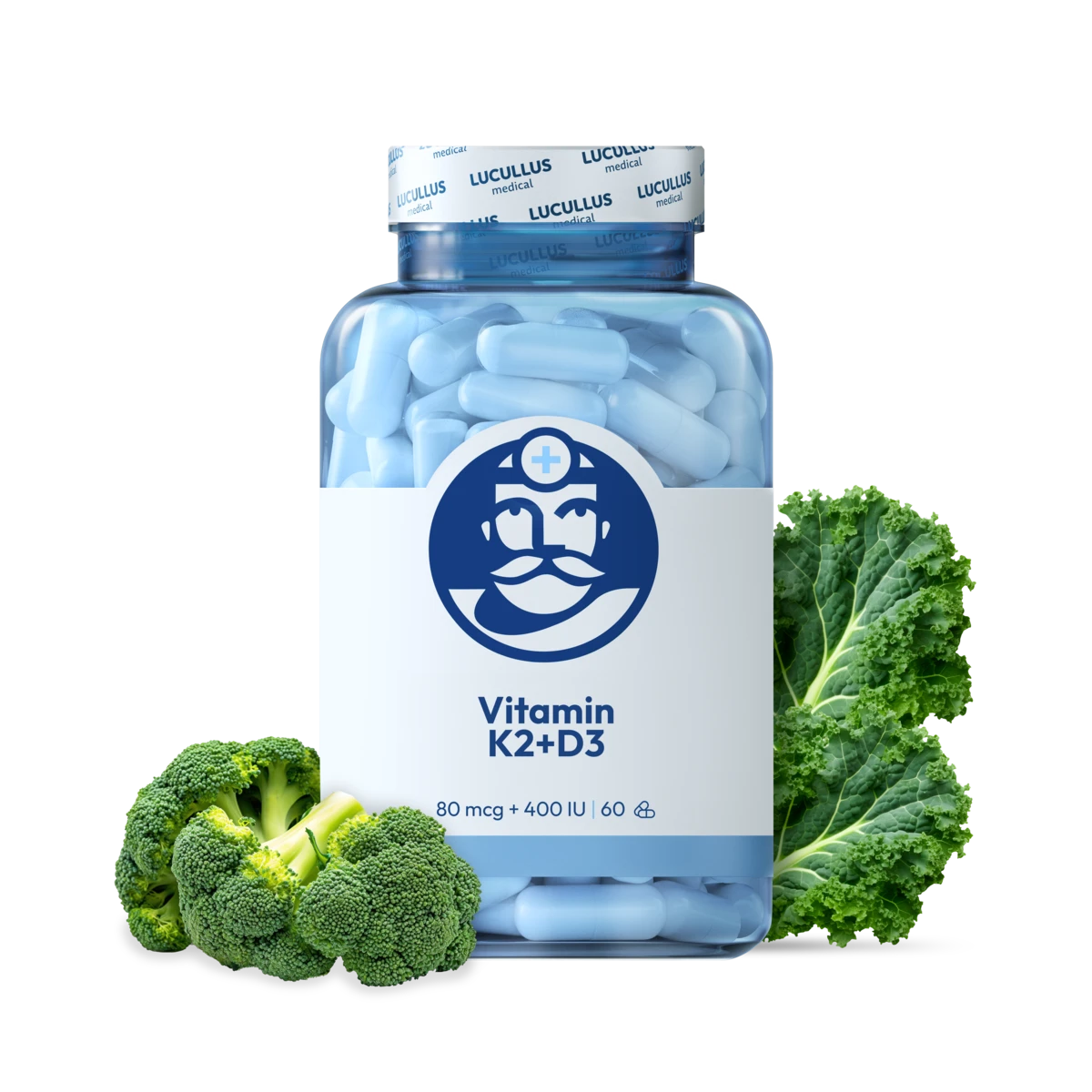
When you feel the sun's rays on your skin, know that your body is creating one of the most important vitamins - D3, which was discovered thanks to centuries of research. The discovery of vitamin D3 became one of the most significant medical achievements of the 20th century, saving millions of lives: It was the year 1650 and in the streets of London, doctors noticed that more and more children were suffering from a strange disease called rickets (their bones were weak and brittle, legs deformed, growth slowed). It wasn't until 1919 that Dr. Huldschinsky exposed children with rickets to ultraviolet light and their bones began to heal! Three years later, biochemist McCollum discovered a substance that prevented rickets and called it vitamin D. Gradually, the existence of the most important form of vitamin D3 (cholecalciferol) was discovered.
Everybody wants to do the best for their health and when I study nutritional supplements, I soon find out that in order to meet the daily intake of all the necessary substances, I would have to consume a good dose of capsules every day. Of course, as with everything, we have to use common, peasant common sense.
Maybe it's burnout ... that's the current description of the state when we feel different. When the coffee we loved no longer works and in the afternoon we are overwhelmed by unbearable fatigue, when in the evening we have no strength for anything, neither for sports nor for friends. And certainly not for another day at work. A nutritionist would describe this state with further findings of our diet with the words - „ You have a lack of thiamine (B1), which is essential for the proper functioning of the nervous system and the conversion of food into energy. Your diet is full of processed carbohydrates, but almost without B1. And when the body doesn't have enough thiamine, you can feel fatigue, forgetfulness, irritability, and even anxiety. And caffeine? It depletes thiamine in the body even more!“ We certainly wouldn't think that this state could be caused by a “triviality”. After all, many of us don't register thiamine, I admit it was also my case. This first of the discovered vitamins in 1912 was named by the Polish biochemist Funk with the term vita (necessary for life), amine (substances that contain nitrogen). Since then, it has gained more names, like aneurin, and for 25 years we have called it thiamine. It is essential, meaning it cannot be synthesized and must come from the diet. It sounds almost frightening that without it we wouldn't survive longer than a few days, at most weeks. This is because the body cannot store it for long and it is necessary to ensure its intake regularly, as it is irreplaceable for the proper functioning of the organism. On the contrary, its abundance helps improve concentration and memory.
Collagen is essentially a protein that the human body can produce itself, as it is essential for the proper functioning of cartilage, glands, joints, bones, muscles and skin. It is the most abundant substance in our body (up to 3%). Unless you are on social media, you really need to depend on it until you suddenly start to feel pain in your tendons, knees, ligaments... If you have a proper, balanced diet and get enough exercise, your body will produce very little of it. But...
The “yellow spark” that powers our body is vitamin B2 - riboflavin, (from Latin flavus “yellow”) was first isolated from milk and initially named lactoflavin. Its uniqueness was noticed by scientists due to its natural fluorescence under UV light, which helped them better understand its distribution in nature. But it wasn't just its mysterious light that attracted scientists' attention. It holds the power to transform food into life force. Riboflavin, aka vitamin B2, is not just a pretty fluorescent molecule, but it is important in cellular metabolism.
If you like the muscular Arnold Swarzenegger, you must have seen the documentary Pumping Iron about his complex transformation from a skinny teenager to an absolute physical Olymp. His musculature is still admirable to this day. And he was helped to do it by a simple iron. Of course - this is a joke, he mainly lifted on iron. But to make his muscles look like those of Hercules, he needed iron in a completely different form.
Designed specifically for stronger antioxidant effects, better absorption and utilisation, with rosehip as the main source of natural vitamin C. Vitamin C, known as ascorbic acid, is a nutrient essential for the functioning of our body. Our body synthesises this essential vitamin, so it is necessary to obtain it from fruits and vegetables such as citrus fruits, peppers, horseradish, and tomatoes.
Vitamin C (ascorbic acid) has long been recognised as capable of improving immune function and reducing the severity and duration of colds and flu. It is widely known that vitamin C is essential for optimal immune system function and overall health. This is confirmed by the fact that vitamin C is one of the most popular and widely used dietary supplements worldwide. It is precisely the low content of this vitamin in processed foods that requires its regular supplementation. In addition to strengthening immunity and shortening the duration of colds, it plays an important role in wound healing, improving brain function and supporting bone strength.
Immunity support that contains the necessary vitamins and minerals in a daily dose. A weakened immune system impairs quality of life by making it harder to fight off infections. The initial symptoms of weakened immunity may include catching every cold, frequent antibiotic use, increased fatigue, urinary tract infections, skin problems, headaches and many others. By regularly consuming the 15 vitamins/minerals in the Dr. Lucullus multivitamin complex, you will provide your body with everything it needs and protect your health and well-being.
Probably everyone who has seen the excellent series Chernobyl remembers the scene where the female lead in the Belarusian ministry gives iodine tablets to her secretary, who incidentally tells her that she is pregnant. Iodine is a chemical element that our body needs for the thyroid gland to function properly. And anyone who has thyroid problems knows how much it affects the body. It is necessary to understand how complex our body is and what needs to be done to stay healthy and functional.
Is taking a multivitamin just a way to have expensive urine? In other words: if instead of individual supplements and responsible dosing we put everything in one box - will it make sense? Yes and no - let's see.


















 Healthcare