















The thyroid gland is a small but extremely important butterfly-shaped organ located at the front of the neck. It regulates our metabolism and affects our energy levels, mood and even growth. In order to function properly and produce hormones, it needs specific nutrients.

Although a varied diet should always be the priority, in some cases it may be useful to take dietary supplements. Which vitamins and minerals are essential for her?
1. Iodine
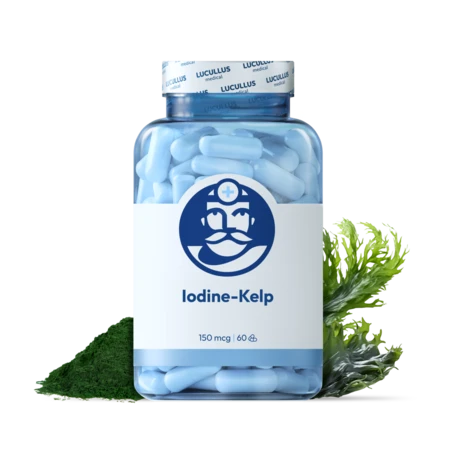
Iodine is absolutely essential for the production of thyroid hormones (thyroxine and triiodothyronine). Without it, the thyroid gland simply cannot function.
Where to find it: In sea fish, seaweed, dairy products and iodised salt. Iodine must be taken with care. A deficiency causes problems, but an excess can also damage the thyroid gland. Iodine supplements in tablet form should only ever be taken after consulting a doctor.
2. Selenium
Selenium is a powerful antioxidant. Not only does it protect the thyroid gland from damage caused by free radicals, but it also plays a key role in converting the inactive form of the thyroid hormone into its active form, which the body can utilise.
Where to find it: The richest source is Brazil nuts (just 1–2 a day is enough), but it is also found in eggs, pulses and poultry.Supplement form: If you decide to take a supplement, look for the selenomethionine form, which is well absorbed by the body.
3. Zinc
Like selenium, zinc also plays a role in the metabolism of thyroid hormones. Furthermore, low zinc levels can prevent the thyroid gland from producing sufficient hormones.
Where can we find it: In pumpkin seeds, beef, lentils and chickpeas.

4. Vitamin D
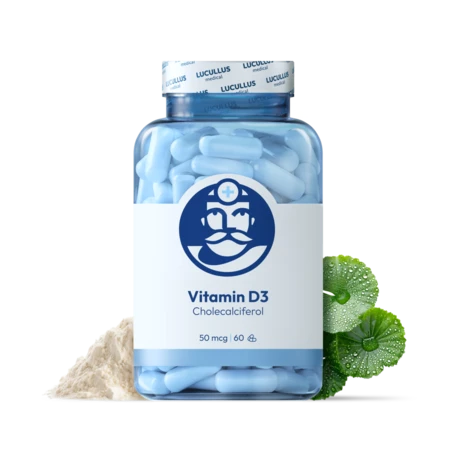
Vitamin D plays a key role in autoimmune diseases. Vitamin D deficiency is very closely linked to thyroid disorders, particularly autoimmune ones (such as Hashimoto’s thyroiditis). Vitamin D is essential for the proper functioning of the immune system.
Where to find it: The body produces it from sunlight, but in our part of the world we are often deficient in it from autumn to spring. It is also found in oily fish. Supplement form: During the winter months, vitamin D3 supplementation is highly recommended for most people.
5. Iron
If you are iron-deficient, your thyroid may be underactive. Iron is needed for the enzymes that produce thyroid hormones.
Where to find it: In red meat, liver, spinach and dark leafy vegetables. To improve the absorption of plant-based iron, it is a good idea to combine it with vitamin C.
More isn’t always better! The thyroid gland is a very sensitive organ. Whilst we simply excrete any excess of other vitamins, too much iodine or selenium from dietary supplements can cause exactly what you’re trying to avoid – thyroid disease. However, to ensure it functions properly and keeps you full of energy, you need more than just the right vitamins and minerals. Favourable general conditions are also absolutely essential. Don’t forget that chronic stress, constant tension and lack of sleep can really take their toll on this sensitive organ. Sometimes, the best thing you can do for your body is simply to slow down. Treat yourself to a good night’s sleep, find time for a walk in the fresh air, or enjoy activities that bring you joy. When your mind and body are in harmony, your thyroid gland will certainly feel the difference and reward you with plenty of energy.