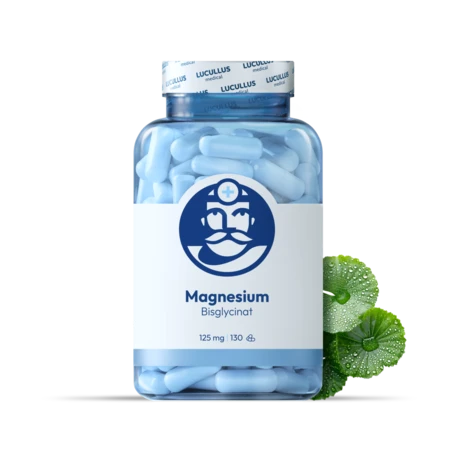
















Magnesium is an important mineral for the proper functioning of the body. The name magnesium comes from the Greek city of Magnesia, where this element was originally discovered in 1755. It is the 8th most abundant element on earth, making up approximately 2% of the earth's crust. It has a naturally sour taste, which is also evident in mineral waters. It is found in every cell of green plants (magnesium ions are present) and also in every cell of the human body. Our body needs magnesium for more than 300 biochemical processes,such as energy production and nucleic acid synthesis, maintaining proper heart rhythm and blood pressure. It would be difficult to find a process in the body that magnesium does not influence.

Magnesium also supports heart contractions and signal transmission between nerve cells, helping to maintain balance during physical and mental stress, which is why it is often referred to as a "calming mineral". Green leafy vegetables, nuts, seeds (such as pumpkin, sesame and chia) and unprocessed grains are excellent sources of magnesium.
This mineral is essential for healthy bones, tissue formation and blood sugar regulation. A deficiency can lead to symptoms such as insomnia, nausea, fatigue, tingling in the limbs or muscle cramps, and even cerebrovascular accidents (strokes) or depression. This deficiency can also be caused by smoking, increased alcohol consumption, coeliac disease or digestive tract disorders. Since our body cannot produce it, it is necessary to ensure its intake through diet or nutritional supplements. Magnesium, more precisely magnesium bisglycinate, also known as magnesium, is a form of elemental magnesium bound to an amino acid (glycine), which gives it advantages over other forms of magnesium. This form is well absorbed and gentler on the digestive system. It is absorbed more efficiently than forms such as magnesium oxide or sulphate. Thanks to its chelate bond, it passes through the wall more easily, is less irritating to the stomach and does not cause digestive problems, making it suitable for people with sensitive digestion.
Glycine contributes to relaxation and calming of the nervous system in combination with magnesium, which regulates muscle and nerve tension, contributes to better sleep and stress reduction. Bisglycinate plays a crucial role in the production and regulation of melatonin, which isresponsible for controlling the sleep cycle. Thanks to its good absorption, it is effective in promoting muscle regeneration, preventing cramps and alleviating muscle fatigue, which is particularly appreciated by athletes.
Magnesium has anti-inflammatory properties that help relieve discomfort associated with muscle cramps. It aids in the production of glutathione, a natural antioxidant in the body that reduces inflammation and protects the lining of the intestines, thereby reducing the risk of inflammatory bowel disease. Long-term use is safe and effective in supplementing its deficiency.
Research has shown that sufficient magnesium intake reduces the risk of stroke, cardiovascular disease and high blood pressure, as it acts as a natural calcium channel blocker, which also helps to relax and dilate blood vessels. In addition to relieving tension and stress, magnesium also helps with headaches. Magnesium can also be considered a preventive measure against kidney stones and a supplement to the treatment of depression.

Magnesium is necessary for the production of serotonin, a well-known neurotransmitter that plays an important role in brain function and mental health, and also affects mood. It helps with various health problems such as cardiac arrhythmias, migraines, diabetes and its complications, premenstrual syndrome, high blood fat levels (hyperlipidaemia) and asthma. Its use is also recommended for attention disorders, cataract prevention, and it can also be helpful in quitting smoking.
What can you expect from Dr. Lucullus Magnesium? High-quality capsules that contain no additives! Studies show that daily doses of 300–400 mg are safe and effective. Our dietary supplement will meet all your needs, from improving muscle function and bone health to improving sleep quality and reducing anxiety. It helps lower blood pressure and the risk of stroke and heart disease. It also has a beneficial effect on nerve and intestinal health.
By incorporating magnesium into your daily routine, you can take a significant step towards eliminating fatigue and headaches, improving your health and well-being, as it affects not only your physical but also your mental health.